Meaning
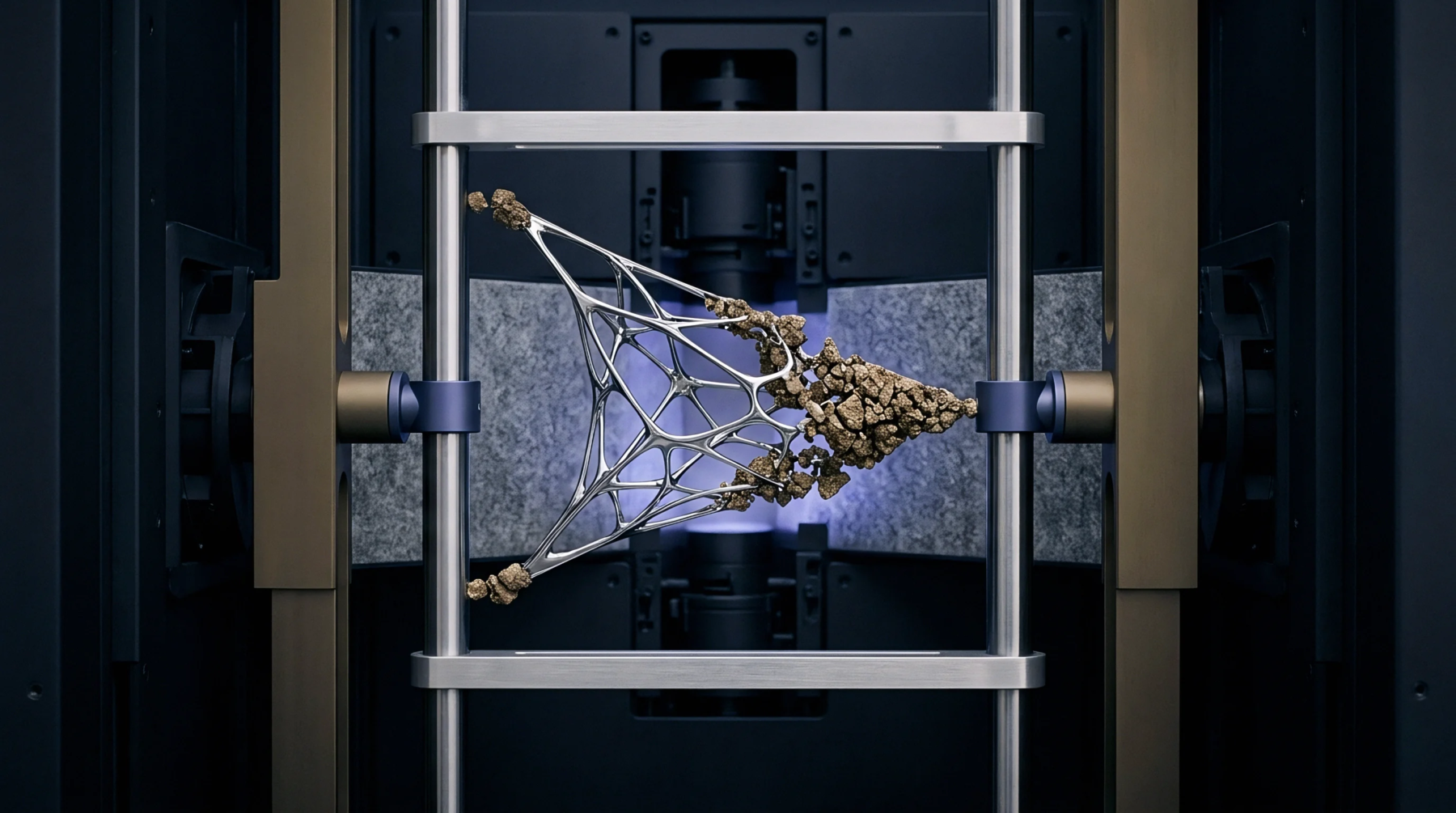
Material expansion happens when silicon atoms in a battery anode alloy with lithium ions. Silicon anode swelling can reach three hundred percent during a full charge cycle, presenting a severe mechanical challenge for cell design. This expansion is much larger than that seen in traditional carbon-based electrodes.
Electrochemical Process
Atoms of lithium form an alloy with the silicon host, creating a more amorphous structure that occupies more space. Because silicon anode swelling is so aggressive, it can cause the active material to delaminate from the current collector. This loss of electrical contact leads to a rapid decline in the capacity of the cell.
Mitigation Strategy
Nanostructuring and the use of elastic binders are common methods to manage the internal stress. Engineers must design the cell housing to survive silicon anode swelling without leaking or bursting. Some designs utilize silicon-graphite composites to balance the high energy density of silicon with the better stability of graphite.
Advanced electrolyte additives are also used to form a more flexible solid electrolyte interphase that can accommodate the large dimensional changes. Porous electrode structures provide additional void space into which the active particles can expand without pushing against the neighboring components.
System Impact
Module frames must be reinforced to handle the high forces generated by the expanding electrodes. Controlling silicon anode swelling is necessary to prevent the crushing of adjacent cells or the deformation of the cooling system. Successful management of this expansion allows for the commercial use of high capacity silicon anodes.