Meaning
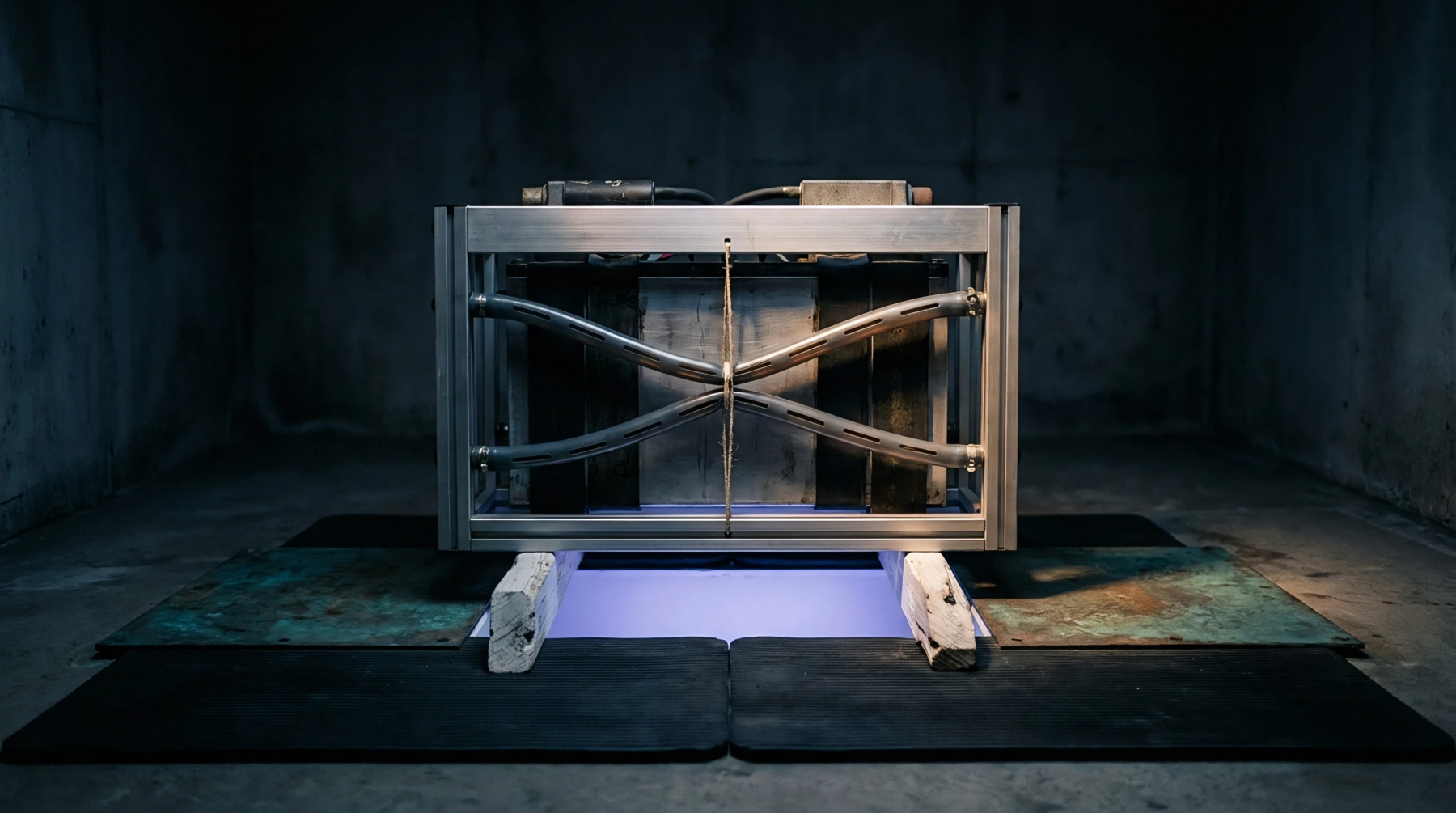
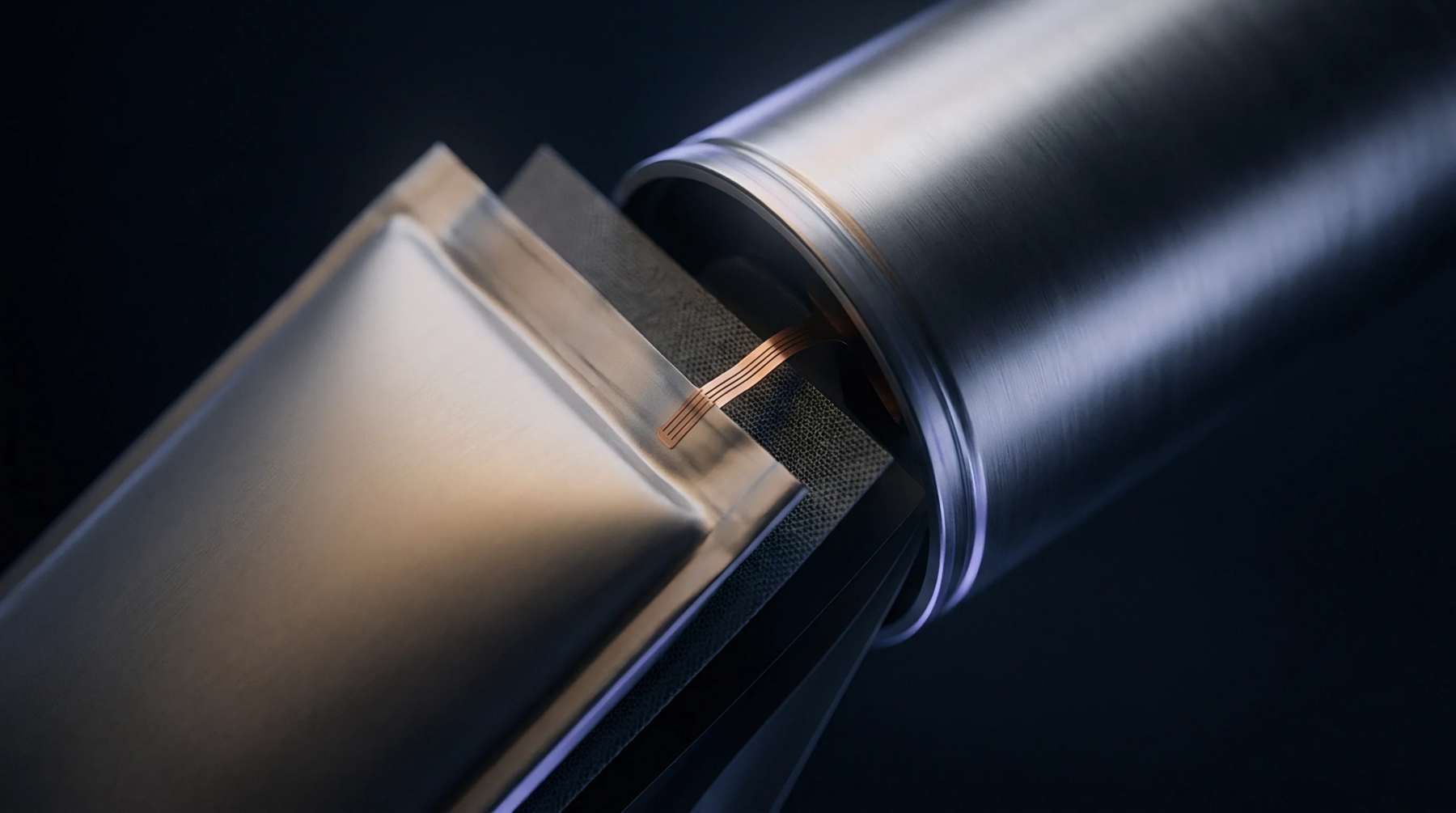
Combined effects of tensile stress and a corrosive environment lead to the sudden failure of normally ductile metal alloys inside electrochemical systems. This stress corrosion cracking initiates as microscopic fissures in parts such as busbars, bolts or cooling pipes when they are exposed to specific chemical agents like chlorides or electrolyte leaks. It defines the point where static load causes a crack to grow at a rate far exceeding normal oxidation speeds.
The boundary of this risk starts with the first sign of surface pitting and ends with the catastrophic separation of the structural member. It covers materials like aluminum housings and stainless steel fasteners. High temperatures inside the battery pack typically accelerate the rate of crack propagation.
Environmental Fracture
Material selection is determined by the potential for specific ions to interact with the crystal grain boundaries of the metal. Because stress corrosion cracking often happens with no visible warning before the final break, the monitoring of local chemistry is a vital part of preventative maintenance. Every joint in the cooling system must be checked for signs of slow leaks that could create a hazardous chemical environment.
This sensitivity restricts the types of cleaning agents that can be safely used near the sensitive high voltage components. Mechanical tension might originate from either external loading or internal residual stress left over from welding or bending. The interaction between these forces leads to a brittle type of failure in materials known for their flexibility.
Material Resilience
Protective coatings help to isolate the metal surface from the surrounding corrosive fluids and gases. Managing stress corrosion cracking requires the use of optimized heat treatment cycles to reduce the internal grain strain within the components. When engineers design the pack, they select alloys that demonstrate high resistance to these specific failure mechanisms in laboratory trials.
This data guides the choice of thicknesses for structural members that will hold the main battery weight. Testing involves placing samples under sustained tension while they are immersed in a concentrated chemical bath. These trials identify the limit where the metal is safe to use in the specific application.
Failure to identify these limits can lead to sudden integrity loss in the chassis interface.
Detection Strategy
Periodic inspections seek out fine hair like fractures near critical weld zones or fastener locations. Identifying stress corrosion cracking early requires advanced non destructive techniques like dye penetrant inspection or eddy current testing. Using these methods prevents large scale assembly failures by catching defective parts before they fully give way.
The findings from these tests help refine the assembly protocols for current cell modules. Operators look for telltale signs of leakage that often precede the most aggressive phases of crack development. Information on the speed of crack growth is used to schedule replacement intervals for equipment in harsh industrial settings.
Proper material vetting is essential for the long term safety of multi year energy storage projects.