Meaning
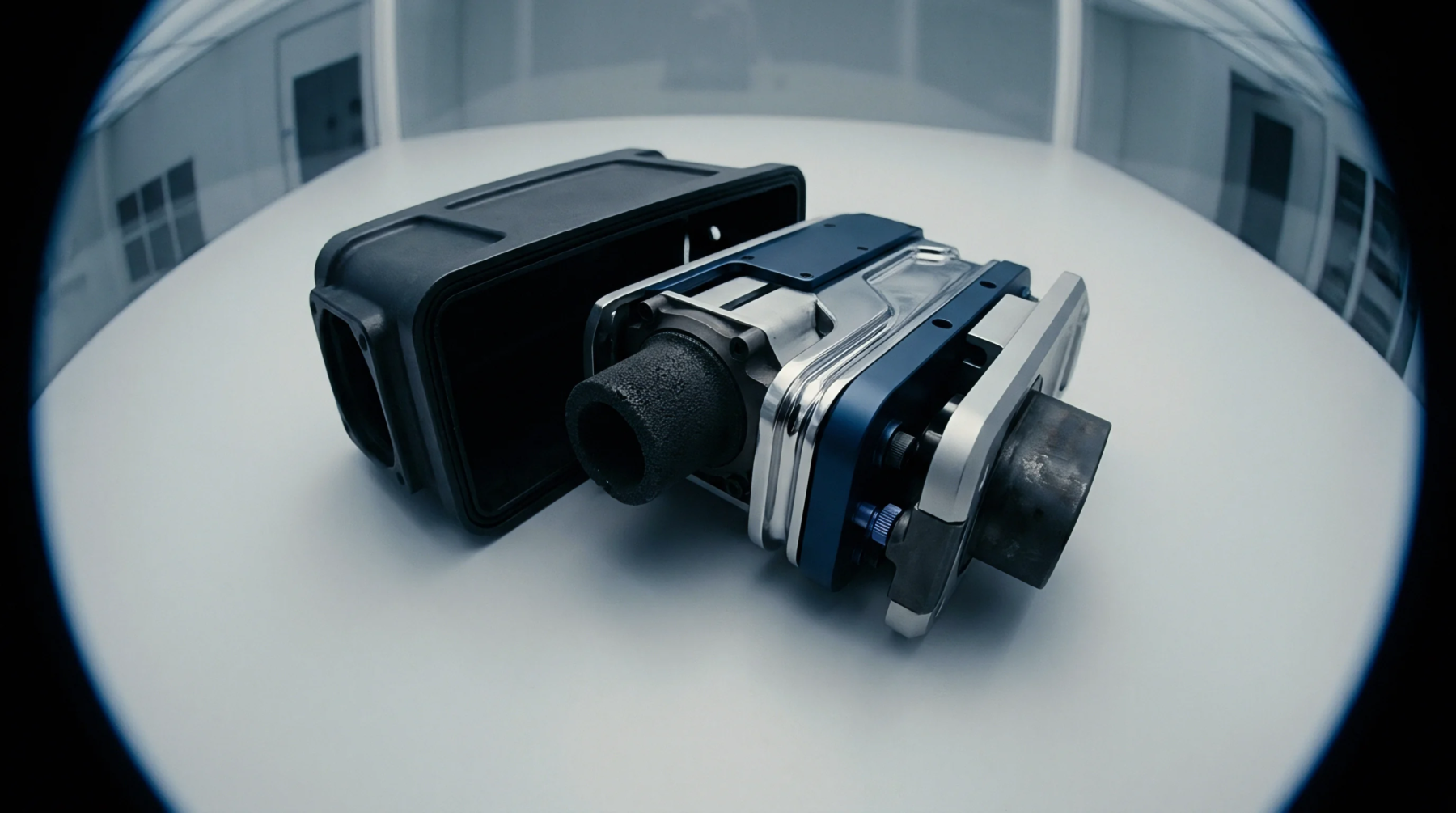
Precision tooling plates designed for plastic injection molding and composite compression tooling accelerate thermal cycle times during battery module housing fabrication. The proprietary alloy designation Alumold 500 specifies a high-strength aluminum plate engineered specifically for mold builders requiring high thermal conductivity and uniform hardness throughout thick cross sections. Within battery manufacturing plant tooling operations, Alumold 500 governs the design of molds for cell spacers, plastic module covers, and elastomer sealing gaskets.
The material specification defines hardness across the plate core, elevated yield strength at room temperature, and dimensional stability during heavy machining. The boundary of application ends where continuous tool operating temperatures exceed one hundred ten degrees Celsius, or where aggressive polymer resins require surface hardness beyond nickel-plated aluminum capabilities.
Machining Characteristics
Dense microstructural distribution of alloying elements permits high-speed milling without micro-void formation or tool chatter. Homogeneous grain structure ensures uniform cutting forces across deep mold cavities during computer numeric control machining. High thermal conductivity dissipates cutting heat rapidly, preserving cutter geometry and reducing machining cycle times.
Mold surfaces accept polish finishes suitable for optical-grade polymer surfaces or micro-textured sealing channels.
Thermal Dynamics
Thermal conductivity exceeding one hundred fifty watts per meter-kelvin allows molds made from Alumold 500 to pull heat from injection molded polymers rapidly. Accelerated cooling cycles reduce molding cycle time while minimizing internal sink marks and warpage in thick-walled battery cell holders. Uniform heat transfer across mold faces prevents localized hot spots that cause uneven shrinkage in plastic housings.
Energy consumption per molded part drops significantly as cooling duration decreases.
Tooling Validation
Purchasing specifications require full ultrasonic scanning of raw block inventory to guarantee internal soundness prior to rough machining. Hardness testing across plate cross-sections verifies uniform precipitation hardening from surface to core center. Tooling engineers specify hard anodizing or electroless nickel plating to enhance wear resistance against abrasive glass-filled polymers.
Chemical compatibility checks prevent corrosion when using aggressive closed-loop mold water cooling circuits.