Meaning
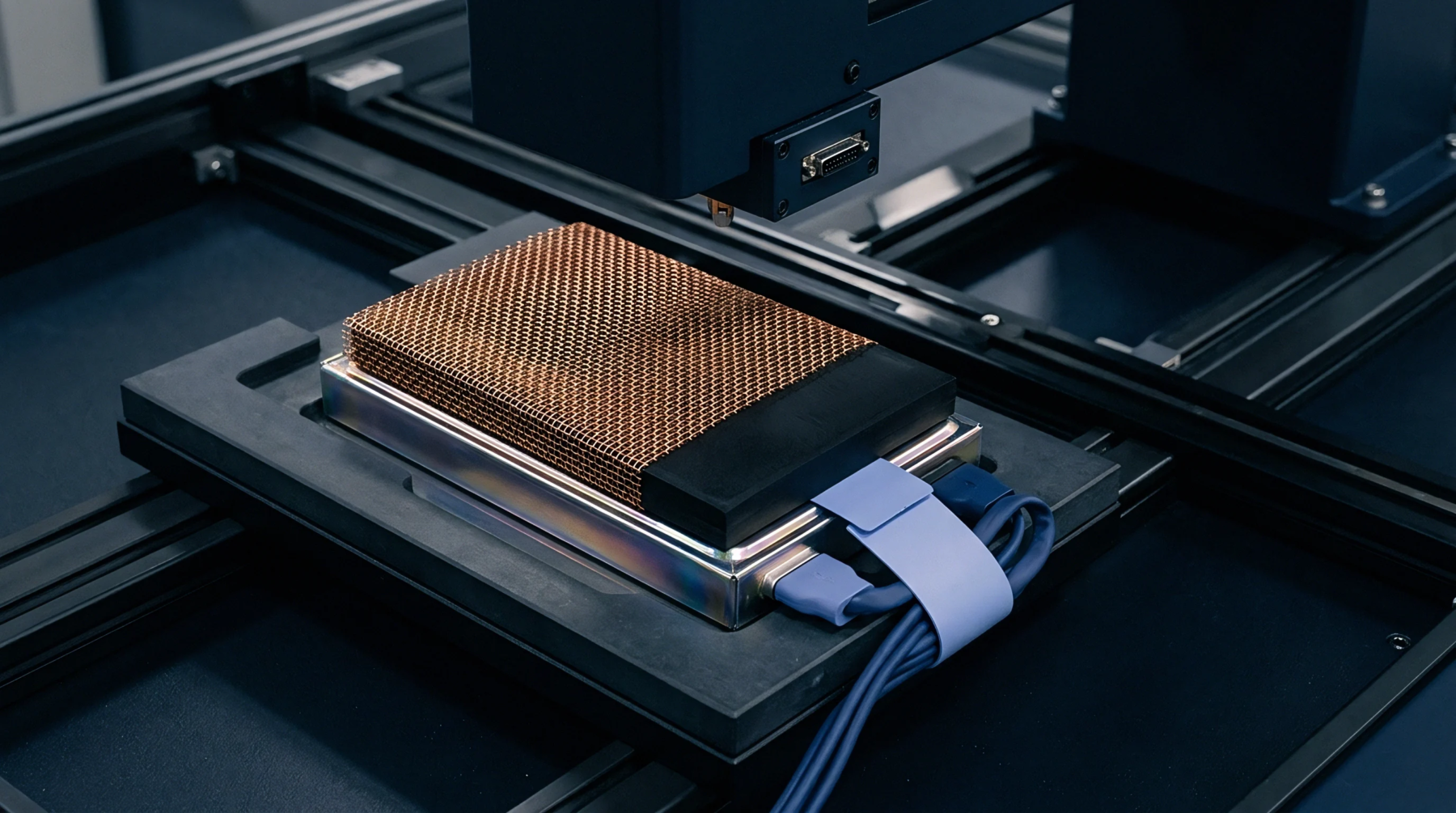
High-impact mechanical evaluations that simulate the sudden decelerations and severe impacts that cells may encounter during transport accidents or rough handling are critical for cell validation. The t4 shock test applies a series of high-acceleration pulses to the cells to verify that internal components and structural enclosures do not fail under sudden forces. This procedure prevents the distribution of batteries that could rupture during a vehicle crash or warehouse drop event.
It is a prerequisite for bulk shipment approval.
Stress Action
Mechanical shock machines deliver half-sine pulses with high peak acceleration to the test specimens. For small cells, the t4 shock test exposes them to a peak acceleration of one hundred and fifty times the force of gravity. The pulse is applied in both positive and negative directions across three perpendicular axes.
This intense force tests the strength of internal cell welds and terminals.
Safety Standard
Visual and electrical checks determine whether the battery has survived the mechanical impact without damage. In order to pass the t4 shock test, the unit must show no mass loss or leakage. The casing must remain completely free of cracks.
Sourcing Value
Sourcing agents verify these certificates to ensure that the cells can be safely integrated into rugged industrial equipment. While the test is required for shipping, it also serves as a proxy for the ruggedness of the cell assembly. Battery packs that survive the t4 shock test are less likely to experience field failures from accidental drops.
This assurance reduces warranty expenses for the purchasing company.