Meaning
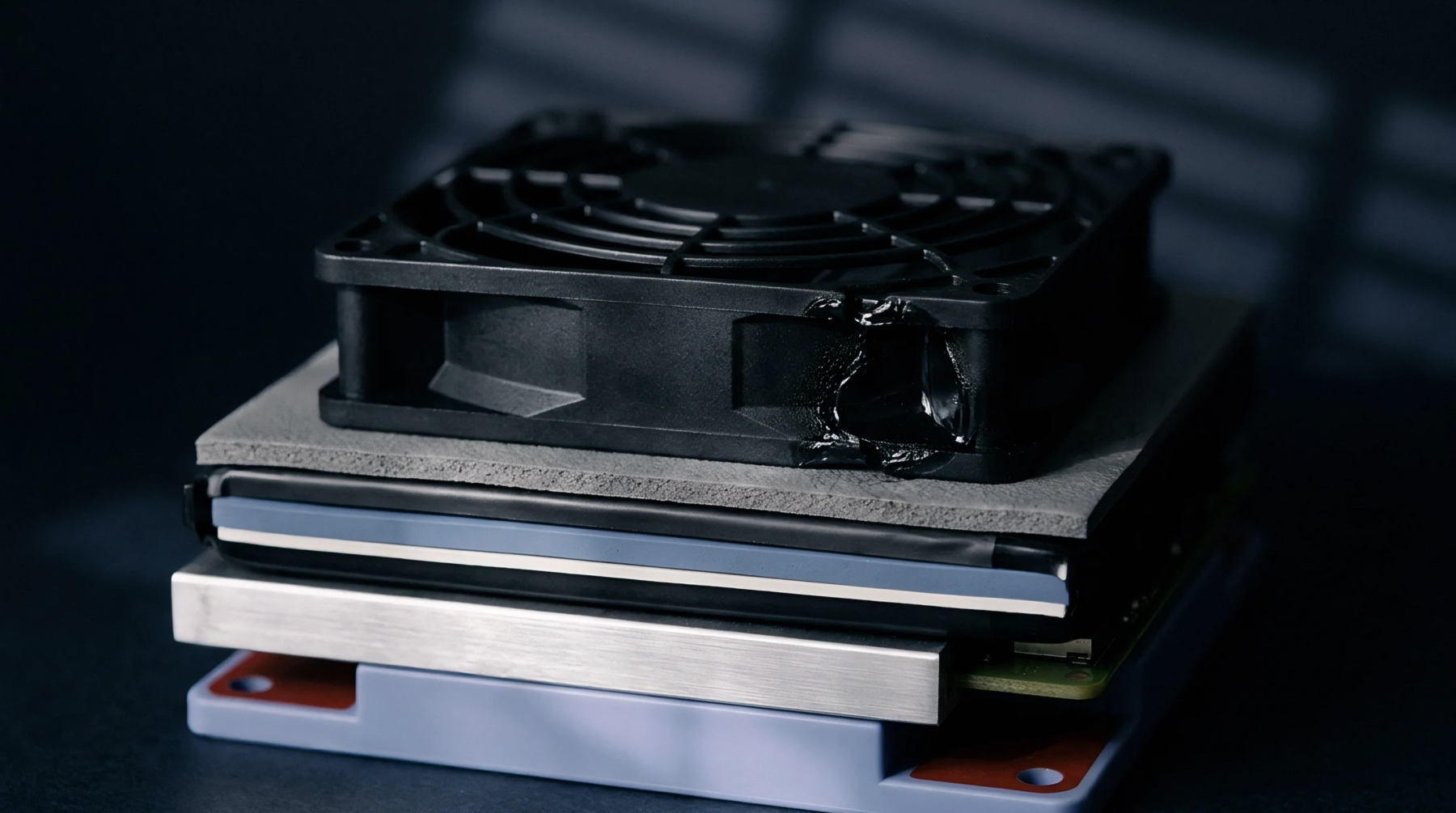
Fire-resistant sheets or coatings positioned between battery cells prevent the propagation of extreme heat and flames from a failing cell to adjacent units. Implementing a thermal runaway barrier in a high-voltage module is a primary safety strategy for electric vehicle battery packs. These barriers must withstand temperatures exceeding one thousand degrees Celsius for several minutes.
They are designed to meet strict regulatory non-propagation requirements, protecting occupants by slowing down or halting fire progression entirely.
Insulating Material
Aerogels, mica sheets, ceramic fiber mats, and composite papers are utilized due to their low thermal conductivity and high melting points. These materials must remain structurally intact even when exposed to direct flame and hot particulate streams ejected from a venting cell. The barrier’s low density ensures that it does not add excessive weight to the pack.
Heat Management
Spacers between cells block conductive and convective heat transfer during an internal short-circuit event. By isolating the failure, the remaining cells are kept below their critical thermal triggers, preventing a catastrophic cascade. This containment buys valuable time for vehicle occupants to exit safely.
Flame Protection
Procurement managers select barrier materials based on their thermal resistance, thickness, and compliance with flammability standards. Choosing high-performance aerogels can reduce the spacer thickness, allowing for higher energy density at the pack level. The selection directly affects both the safety rating and the manufactured cost of the module.