Meaning
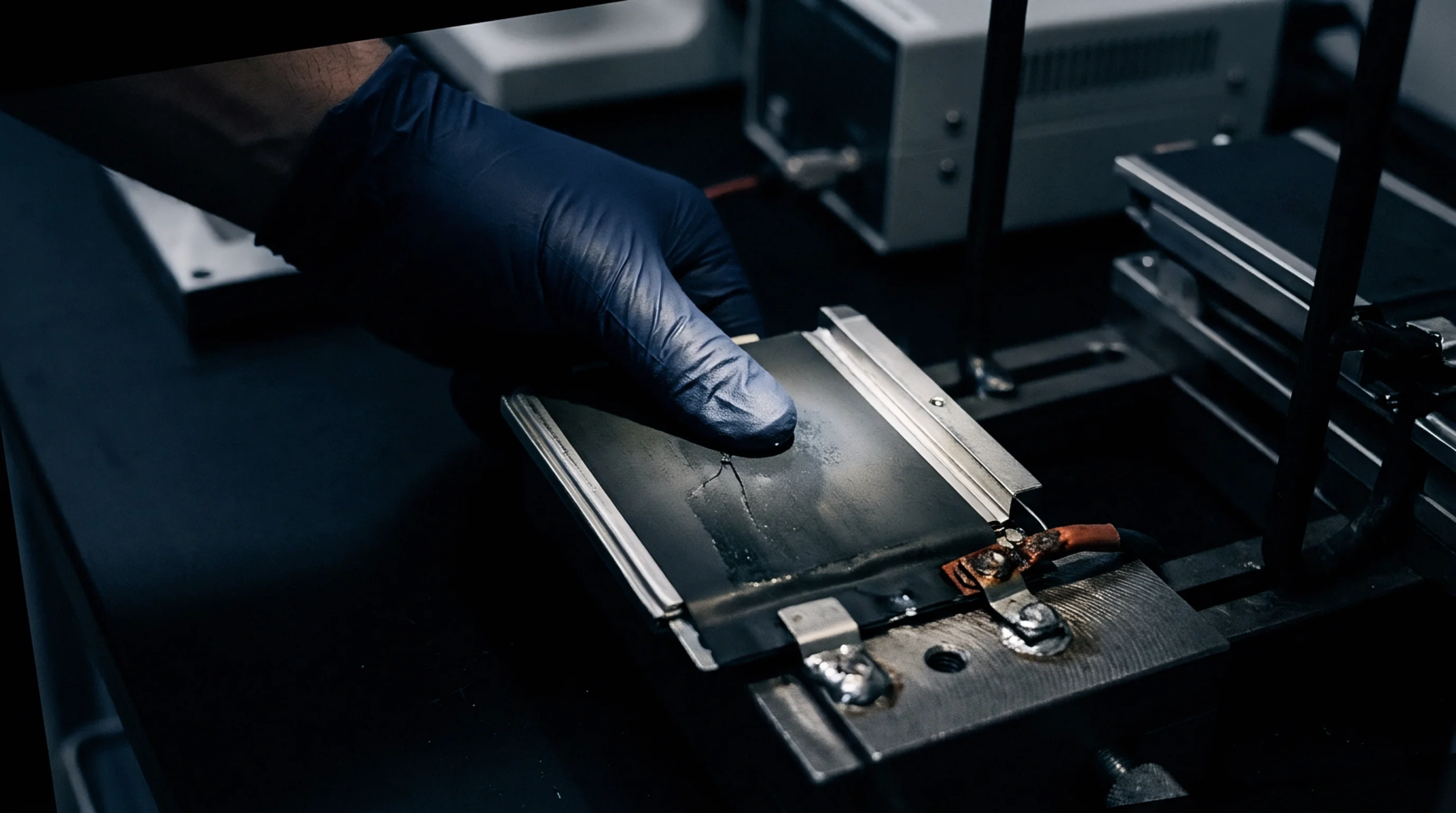
Structural failure denotes the sudden separation of a metal component under high pressure conditions. Tooling die fracture occurs when internal stresses within the hardened steel exceed the ultimate tensile strength of the alloy. This event halts production lines instantly because the tool geometry loses the ability to form accurate parts.
Physical Mechanism
Cyclic loading creates microcracks that expand across the hardened surface of the insert. Rapid thermal cooling during the quench phase leaves residual stress patterns that concentrate forces on sharp edges or thin wall sections. Operators detect this state through audible changes in the press cycle or through erratic dimensions on the finished workpiece.
Process Impact
Downtime follows every instance of sudden steel breakage. Maintenance crews remove the damaged assembly to perform metallurgical analysis on the failure surface before replacing the unit. Planning cycles for heavy manufacturing depend on the predictable life expectancy of these components since replacements require lead times of several weeks.
Material Constraint
Alloy selection governs the resistance of the component to brittle separation. High vanadium steels offer higher toughness at the cost of reduced wear resistance in certain abrasive environments. Engineers select specific material grades to mitigate the risk of catastrophic separation when the press operates at maximum clamping force.