Meaning
Standard safety test used to measure the fire resistance of building materials and structural assemblies under intense, controlled thermal conditions provides critical performance data. Sourcing teams specify compliance with the ul 263 standard when purchasing protective partitions and enclosures for large energy storage systems. This protocol measures how long a structural element can withstand exposure to a standard fire before allowing heat to pass through or failing mechanically.
It applies to the physical building elements that contain the batteries and does not evaluate electrical components.
Safety Standard
Sourcing managers use these fire ratings to satisfy the stringent requirements of local building inspectors and insurance companies. Testing involves applying a standard fire exposure to the test specimen inside a specialized furnace to simulate a severe building fire. The unexposed side of the assembly must not exceed a set temperature limit during the rated time.
This thermal barrier prevents the fire from spreading to adjacent non-burning compartments.
Thermal Assessment
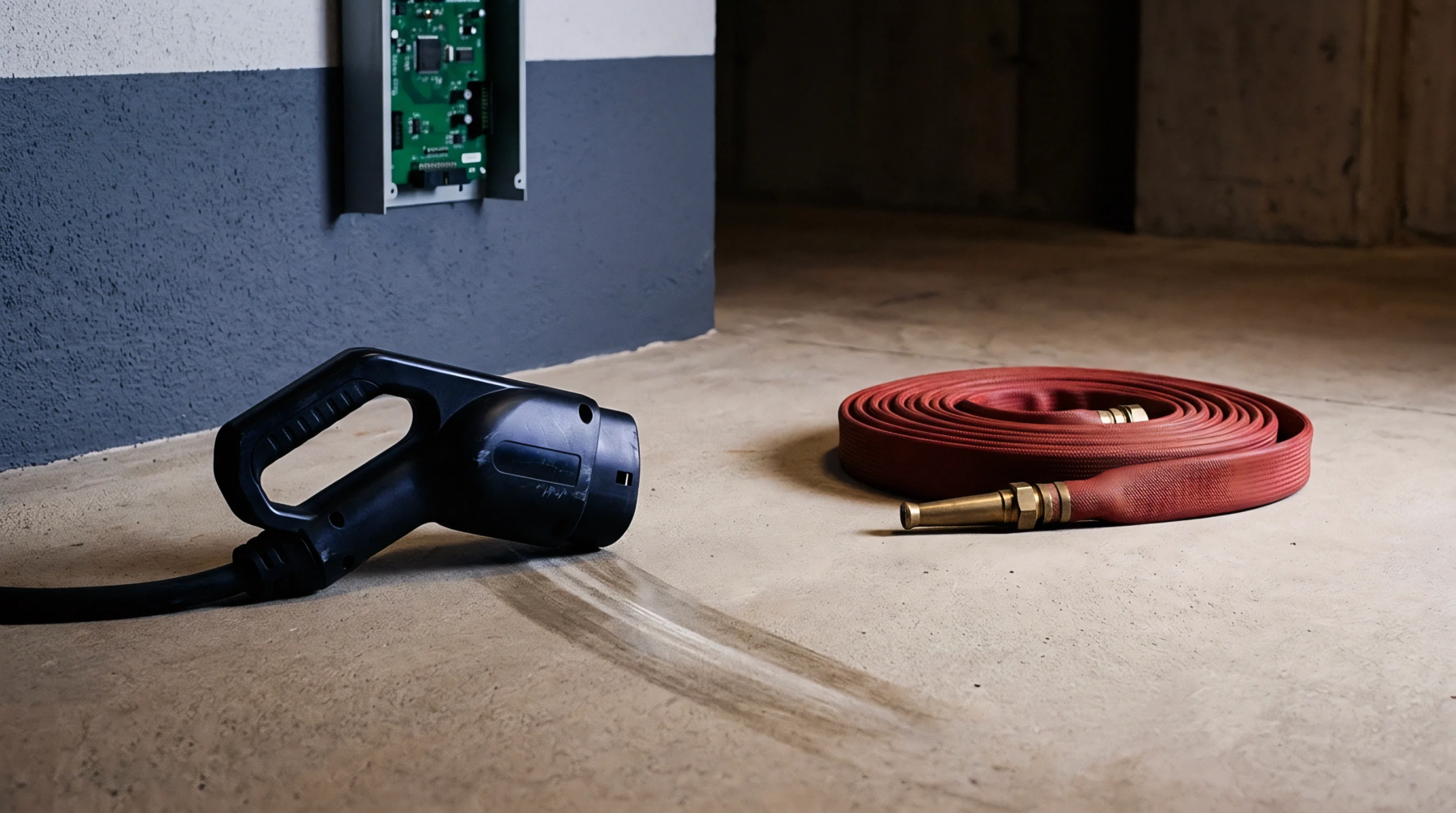
Sourcing high-quality rated materials ensures that a fire within one battery zone is contained for a sufficient time for emergency crews to arrive. The standard includes a hose stream test to verify that the wall will not collapse when hit by high-pressure firefighting water. Sourcing specialists evaluate these test results to choose the most cost-effective panels that meet the required hourly rating.
This evaluation is critical for keeping the project within budget.
Building Standard
Sourcing decisions are guided by these standard ratings to ensure that the completed energy storage facility is safe and durable. Using pre-certified ul 263 panels simplifies the permitting process and speeds up the construction schedule. This passive fire protection strategy is a reliable way to minimize the risks associated with high-voltage battery installations.
It provides a solid foundation for industrial-scale energy storage projects.