Evaluating Radiant Flux Boundaries for Reduced Energy Storage System Clearances
Reduced energy storage clearances require UL 9540A full-scale fire test proof showing adjacent cabinet radiant flux stays below 12.5 kW/m² to prevent fire spread.
Reduced energy storage clearances require UL 9540A full-scale fire test proof showing adjacent cabinet radiant flux stays below 12.5 kW/m² to prevent fire spread.
Unit-level UL 9540A metrics define gas generation, radiant heat flux, and deflagration limits needed to clear NFPA 855 unit separation mandates.

Asset owners must require HIL testing, dual-key signing, and written vendor regulatory indemnities before authorizing remote third-party firmware updates.
Utility BESS deflagration overpressure depends on off-gas burning velocity and corridor blockage turbulence rather than open-air venting calculations.
Grid battery enclosures require passive inter-cell thermal barriers to limit conductive heat flux below 120 kW/m² and contain thermal runaway propagation.

Stationary storage spatial clearance requires balancing NFPA 855 baseline setbacks against UL 9540A fire test metrics to optimize usable site acreage.
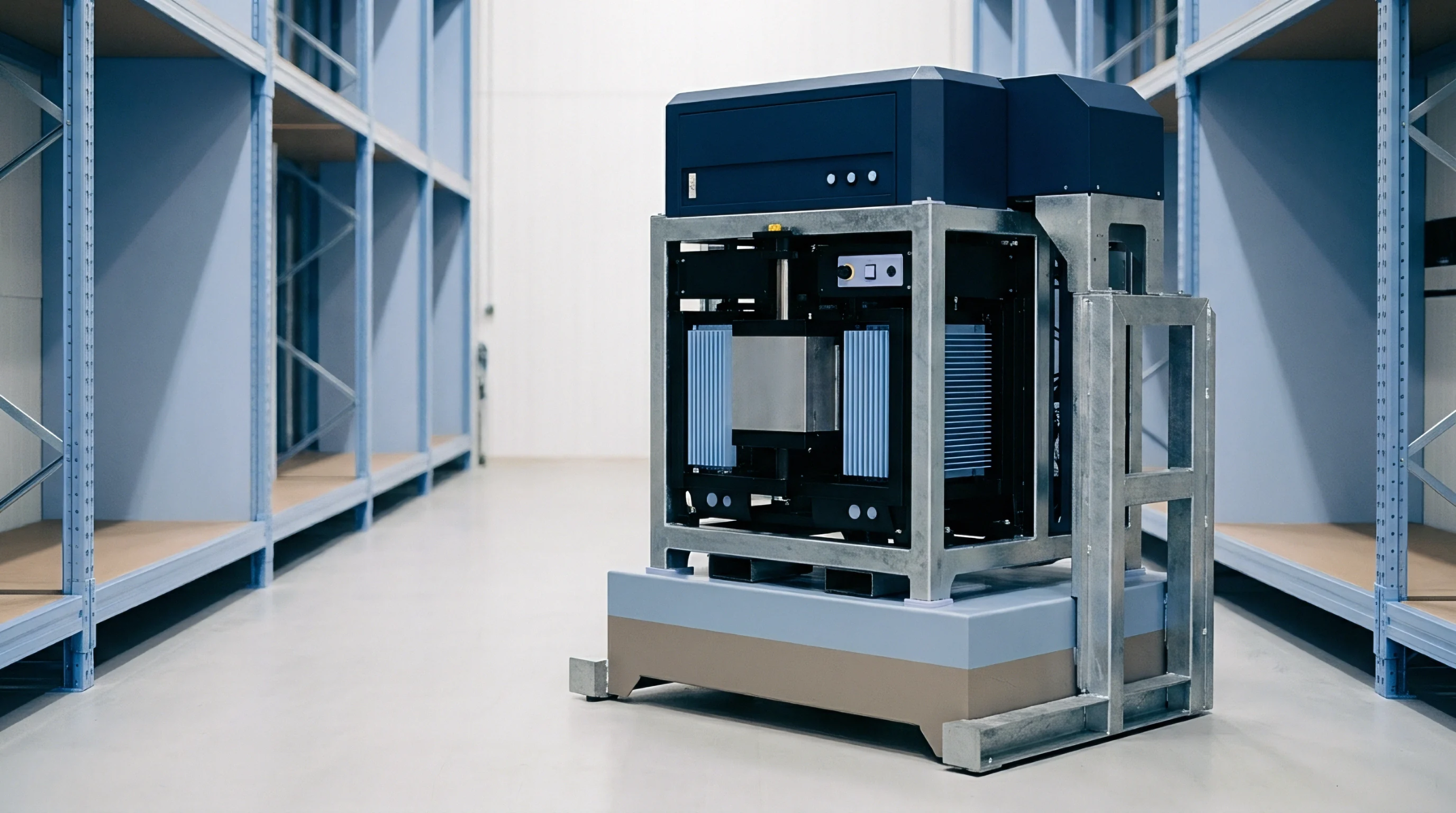
Quantifying battery off-gas flammability requires measuring volume yields, lower flammability limits, and deflagration vent areas to prevent explosion risk.
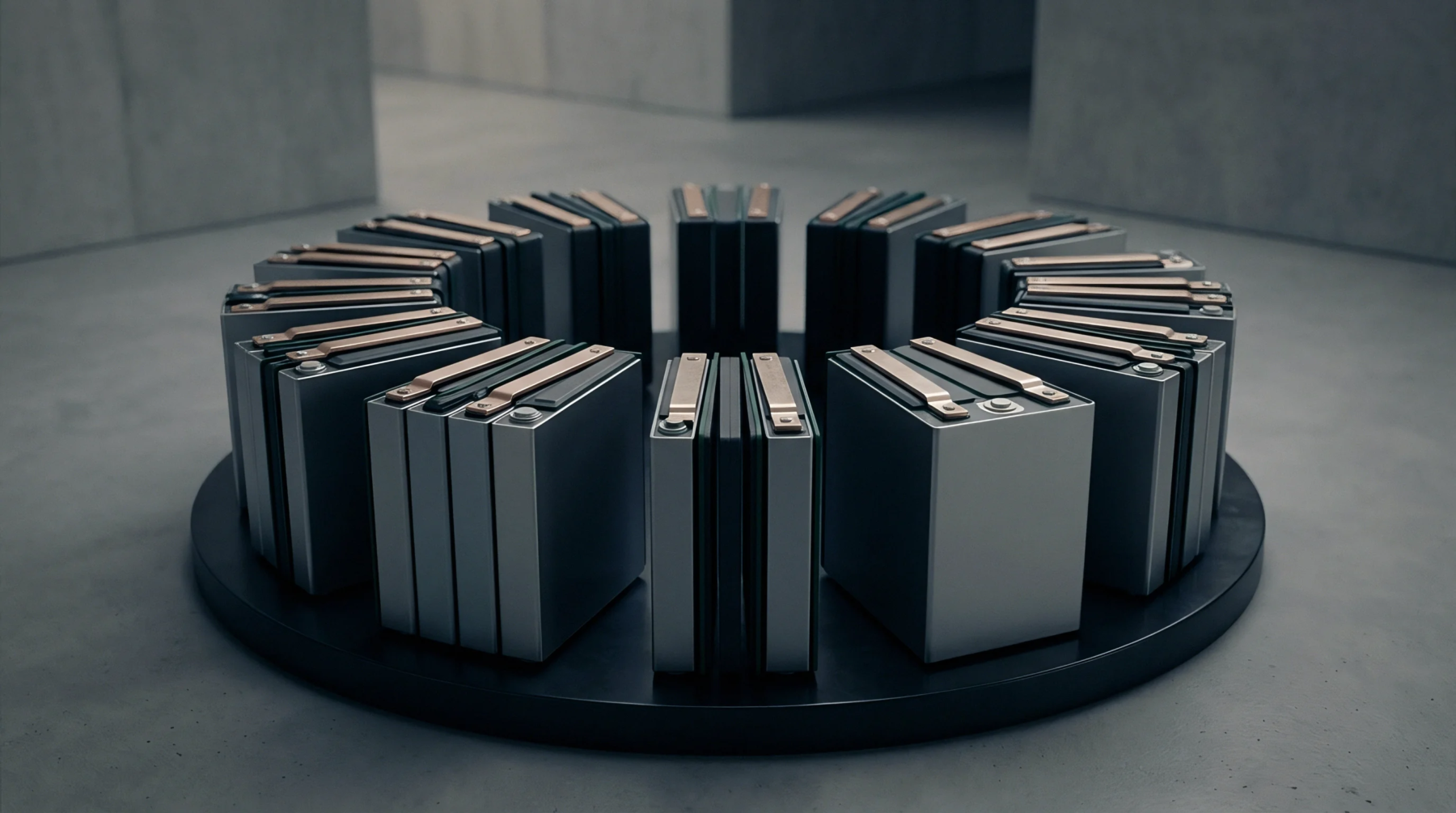
Calculate IFC Chapter 12 battery storage limits by enforcing 20 kWh triggers, 50 kWh unit caps, 3-foot spacing, and 600 kWh fire-area aggregations.

Unit-level UL 9540A test data unlocks reduced ESS clearances when peak heat release stays below 250 kW and target panel radiant flux remains under 1.5 kW/m².
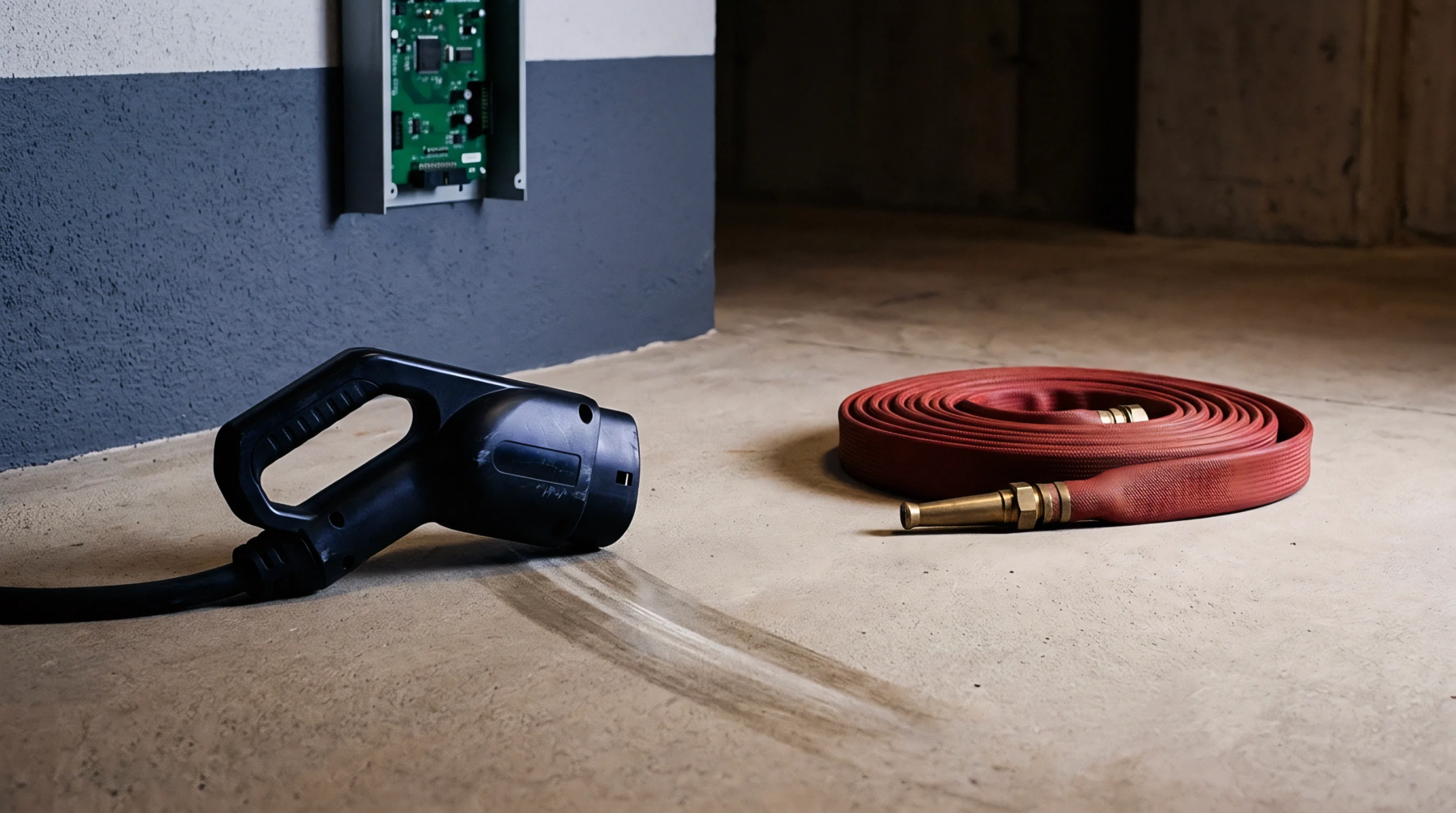
Stationary battery storage baseline rules mandate a three-foot separation between units unless UL 9540A testing proves heat flux stays under critical thresholds.
NFPA 855 compliance for high density battery bays hinges on UL 9540A explosion testing to reduce 3 foot clearances and size deluge water systems.
Standard fire codes cap bulk lithium battery storage at 600 kWh per control area unless protected by dedicated ESFR sprinklers and 2-hour fire barriers
Unenforced warehouse storage rules leave bulk lithium inventory exposed to catastrophic fire risks and uninsured multi-million dollar liability losses.
Expertise is a utility, not a secret. sentiention™ publishes its working knowledge as open reference: intelligence layer covering the materials it sources, the markets it enters, and the reference that serves both.