Meaning
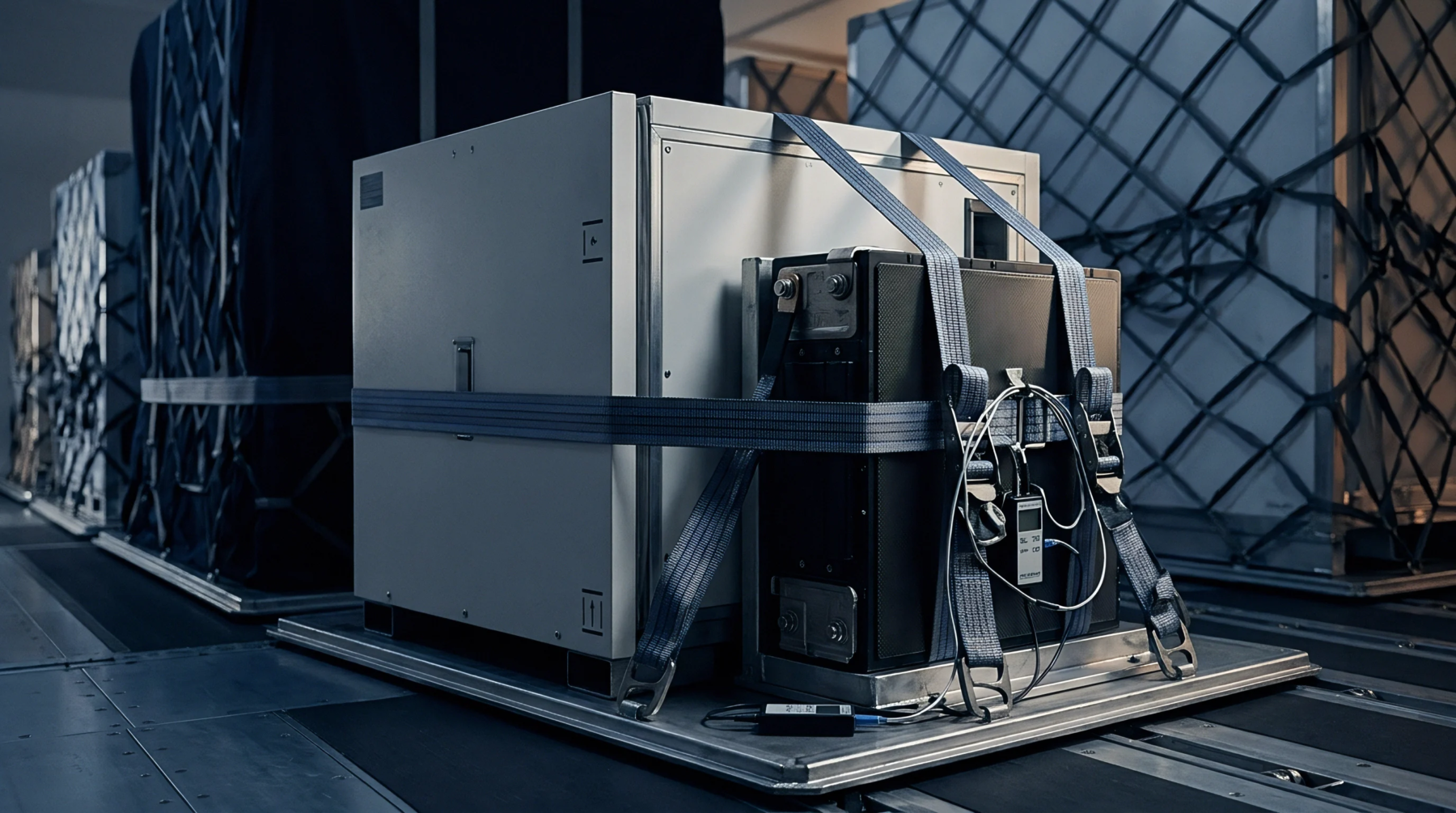
Standardized safety procedure that simulates the low pressure environment found in aircraft cargo holds. Completing the un 38.3 altitude test ensures that lithium batteries can withstand the pressure changes associated with air transport without leaking or exploding. This evaluation is part of a larger suite of tests required for the international shipment of dangerous goods.
Cells and modules are subjected to a pressure of 11.6 kilopascals for a minimum of six hours.
Test Procedure
Vacuum chambers create the specific atmospheric conditions needed for the validation. During the un 38.3 altitude test, the samples are held at a temperature of 20 degrees Celsius. The procedure replicates the conditions at an altitude of approximately 15000 metres.
Testers monitor for any physical changes or electrical failures during the exposure period.
Test Result
Successful completion requires the battery to show no mass loss and no leakage. After the un 38.3 altitude test is finished, the open circuit voltage must remain within 90 percent of its initial value. Any evidence of venting or disassembly results in a failure.
These strict requirements protect the aircraft and crew from the hazards of a compromised battery.
Regulatory Compliance
Documentation of the results is mandatory for any commercial battery shipment. Logistics providers refuse to carry products that have not passed the un 38.3 altitude test and the other associated safety trials. This certification must be renewed if the cell design or the chemical composition changes.
The test report constitutes a major piece of the technical file for global market access. Failure to provide a valid test summary can lead to the seizure of the goods by customs authorities or the grounding of the transport aircraft.