
Hard Carbon Precursor Selection and Thermal Carbonization Principles
Hard carbon performance relies on precursor heteroatom crosslinking and tuned carbonization thermal ramps to maximize closed porosity and initial capacity.
Hard carbon performance relies on precursor heteroatom crosslinking and tuned carbonization thermal ramps to maximize closed porosity and initial capacity.
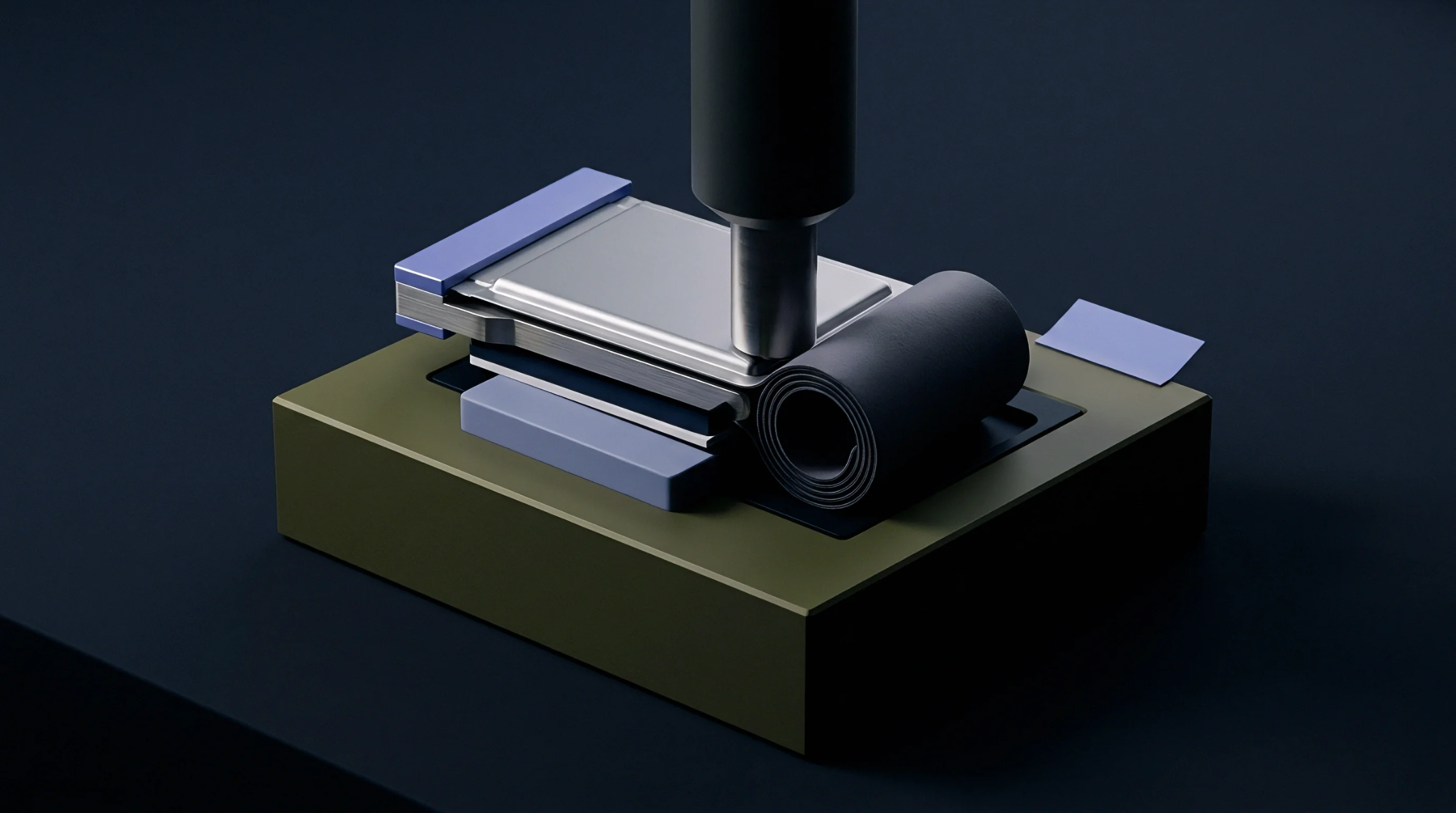
Stereological volume calculations in rolled tool steel require multi-planar geometric integration to correct directional carbide stringer measurement bias.

Kinetic solute trapping in rapid atomization suppresses coarse silicon crystallites by overriding equilibrium partitioning above critical interface speeds.
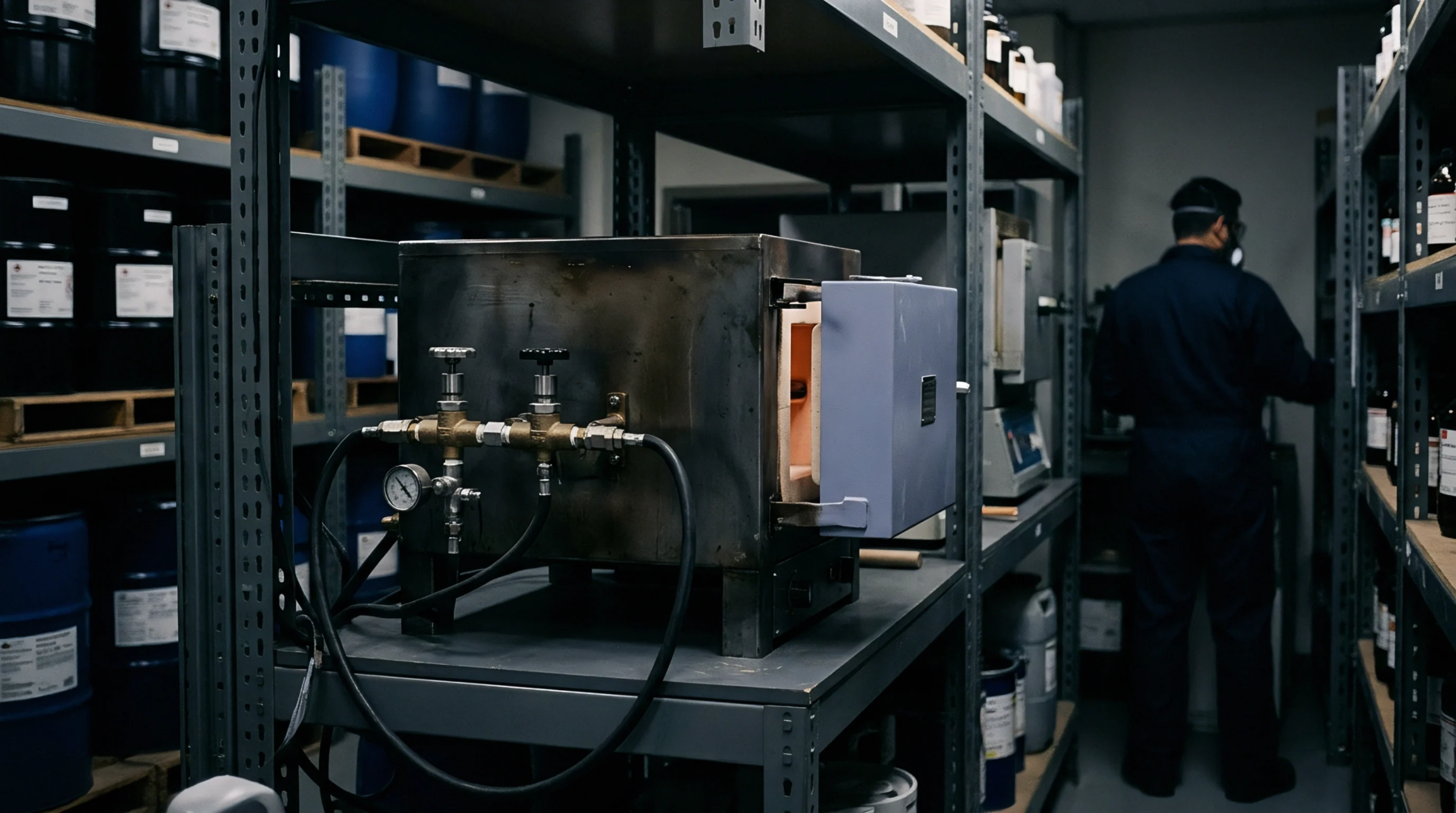
Thermal processing of hard carbon precursors regulates d002 interlayer spacing and closed microporosity to optimize sodium storage capacity and coulombic efficiency.
Sacrificial sodium additives offset initial hard carbon capacity loss to increase sodium-ion cell energy density and reduce landed cost per kilowatt-hour.

Recycled precursor microstrain drives severe intergranular cathode cracking, requiring XRD strain screening below 0.08 percent to prevent early cell failure.
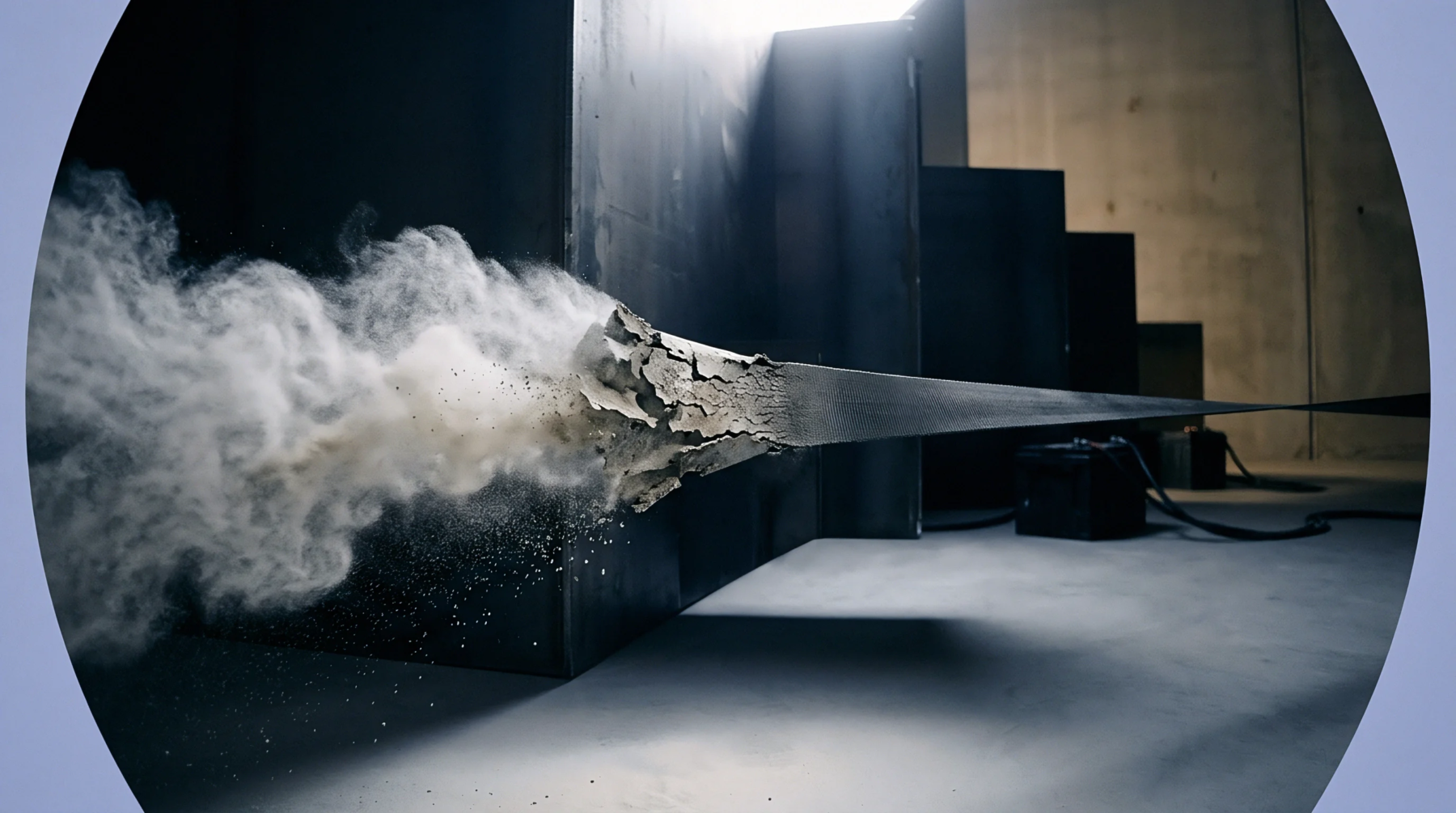
Modeling solute trapping kinetics during droplet cooling establishes exact gas atomization parameters to freeze supersaturated alloy phases for high-life battery anodes.
Expertise is a utility, not a secret. sentiention™ publishes its working knowledge as open reference: intelligence layer covering the materials it sources, the markets it enters, and the reference that serves both.