Dynamic Liquid Phase Diffusivity Variations in Subzero Extreme Fast Discharge Cell Formulations
Subzero fast discharge relies on low-viscosity ester co-solvents and LiFSI salts to preserve liquid phase diffusivity and limit salt depletion inside anode pores.


Kinetics
Subzero discharge performance collapses when liquid phase transport fails inside porous electrode structures. At minus twenty degrees Celsius, bulk electrolyte ionic conductivity drops by an order of magnitude compared to ambient laboratory values. Lithium ion transport across the interphase depends on solvent molecular structure, salt concentration, and pore geometry inside the active material layer.
High C-rate current pulses create immediate concentration gradients within the liquid electrolyte filling the cathode and anode voids.
Mass transport in liquid battery electrolytes follows temperature-dependent diffusion laws governed by the Stokes-Einstein relation. As temperature decreases, liquid viscosity increases exponentially while bulk self-diffusion coefficients decay sharply. The activation energy for lithium ion transport increases significantly when alkyl carbonate solvents approach their glass transition thresholds.
A cell forced to discharge at 5C under subzero conditions experiences rapid liquid-phase salt depletion inside anode pores, driving electrode potential below zero volts against lithium metal.
Low-temperature electrolyte additives trade high-temperature calendering stability for subzero ion mobility.
Solvation shell stripping presents another physical barrier during low-temperature high-rate pulse events. Lithium ions migrate as bulky coordination complexes bound to solvent molecules such as ethylene carbonate or ethyl methyl carbonate. Desolvation at the solid electrolyte interphase demands thermal energy that is absent in subzero operational environments.
Consequently, charge-transfer resistance dominates total cell impedance when ambient temperature drops below minus ten degrees Celsius.

Transport Bottlenecks inside Porous Microstructures
Effective diffusion coefficients inside real electrodes suffer from geometric hindrance. Tortuosity factors between three and five lengthen the ionic path through calendared graphite matrices. Liquid phase concentration polarization develops within seconds of applying an extreme discharge load.
When local salt concentration drops to zero inside inner electrode pores, current density shifts toward the electrode surface, accelerating degradation.
Suppliers frequently defend subzero discharge failures by claiming that system thermal management failed to preheat the pack prior to cold pulse execution.

Frost
Freezing point depression strategies enable subzero liquid mobility down to minus forty degrees Celsius. Standard lithium-ion formulations using binary ethylene carbonate and dimethyl carbonate mixtures crystallize at temperatures where cold discharge is required. Integrating fluorinated solvents, linear carboxylate esters, or cyclic ethers maintains fluid behavior across extreme operating envelopes.
Methyl propionate and ethyl acetate lower solvent melting points while preserving lithium salt solubility.
Low viscosity esters alter the solvation sheath surrounding the lithium cation. Decreasing the coordination number lowers activation enthalpy during interface crossing. However, low-boiling linear esters reduce thermal stability at sixty degrees Celsius, creating high-temperature gas generation risks during storage.
Cell designers balance subzero ion mobility against room-temperature shelf life through tailored solvent ratio selection.

Electrolyte Viscosity and Conductivity Metrics at Subzero Extremes
Measuring dynamic viscosity across broad temperature sweeps reveals non-Arrhenius behavior in high-concentration electrolyte formulations. The Vogel-Tamman-Fulcher framework describes liquid shear resistance as temperature approaches the glass transition point. Formulations optimized for subzero fast discharge maintain dynamic viscosity below five centipoise at minus twenty degrees Celsius.
| Electrolyte Solvent System | Conductivity at -20°C (mS/cm) | Conductivity at -40°C (mS/cm) | Viscosity at -20°C (cP) | Viscosity at -40°C (cP) |
|---|---|---|---|---|
| Standard Binary (EC:DMC 3:7 + 1M LiPF6) | 1.82 | 0.14 | 8.45 | 42.10 |
| Ternary Ester Blend (EC:EMC:MP 1:1:3 + 1M LiPF6) | 4.65 | 1.28 | 3.12 | 11.40 |
| Fluorinated Solvent Blend (FEC:FEMC:EA 1:2:2 + 1.2M LiFSI) | 6.10 | 2.05 | 2.40 | 7.85 |
| Low-Concentration Ether Blend (DME:DOL 1:1 + 0.6M LiFSI) | 8.40 | 3.90 | 1.65 | 4.20 |
Lithium bis(fluorosulfonyl)imide provides superior subzero conductivity compared to standard lithium hexafluorophosphate. The FSI anion exhibits weak coordination strength, facilitating rapid cation dissociation even in dense, cold solvents. Higher dissociation rates prevent salt precipitation inside narrow electrode pores during prolonged subzero discharge sweeps.
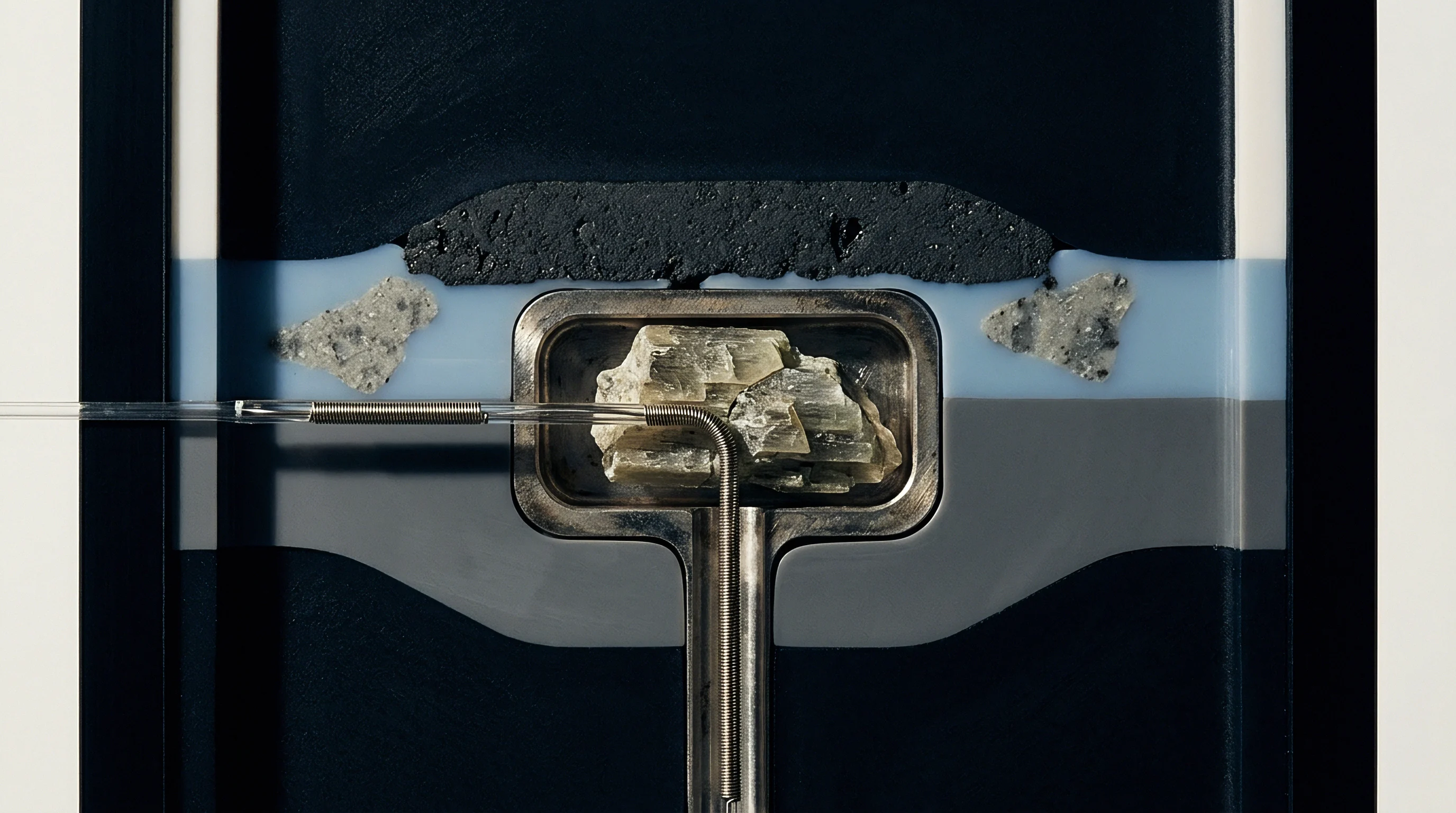
Sequential Inspection Procedure for Subzero Low-Viscosity Electrolyte Retaining Formulations
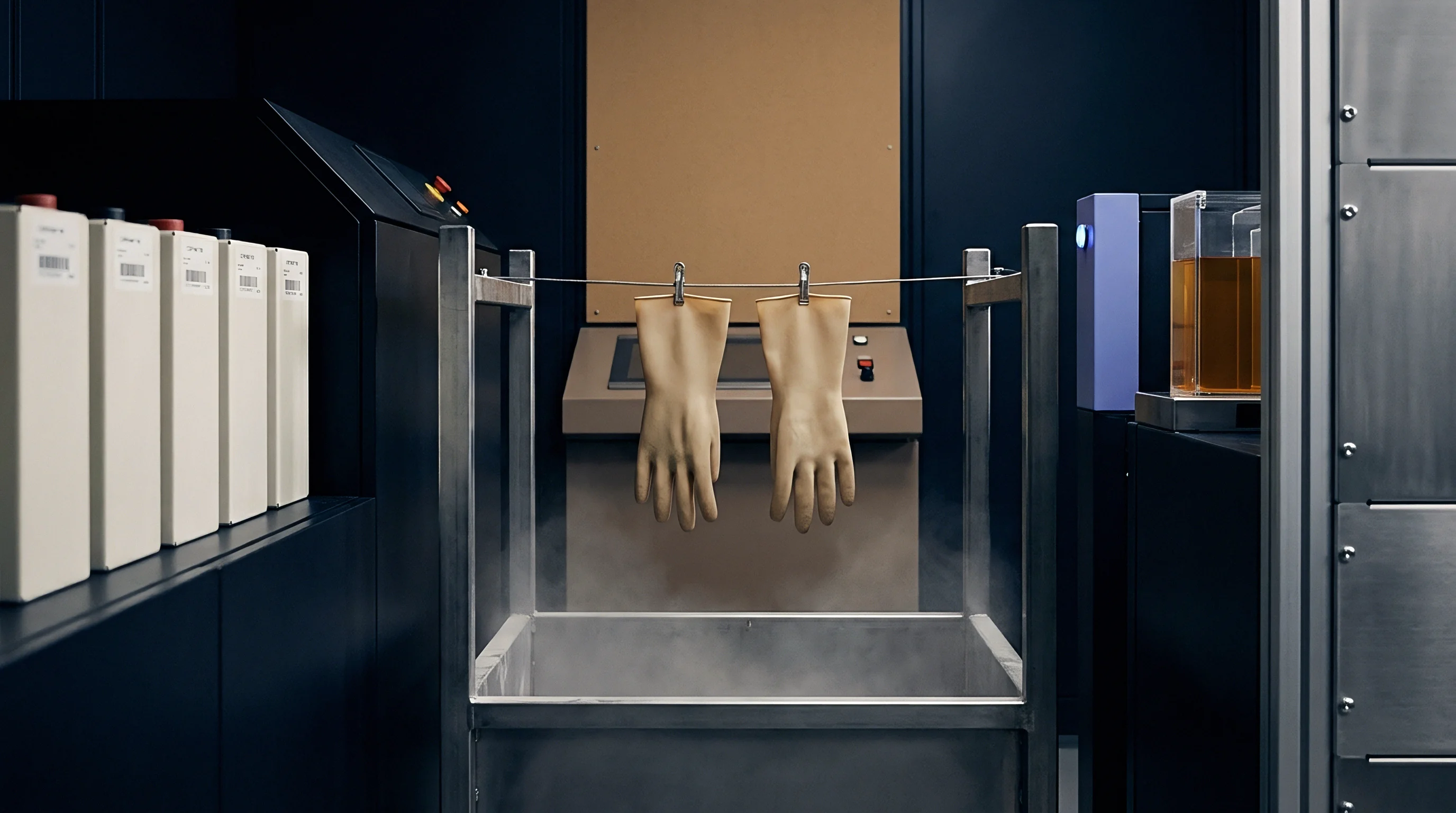
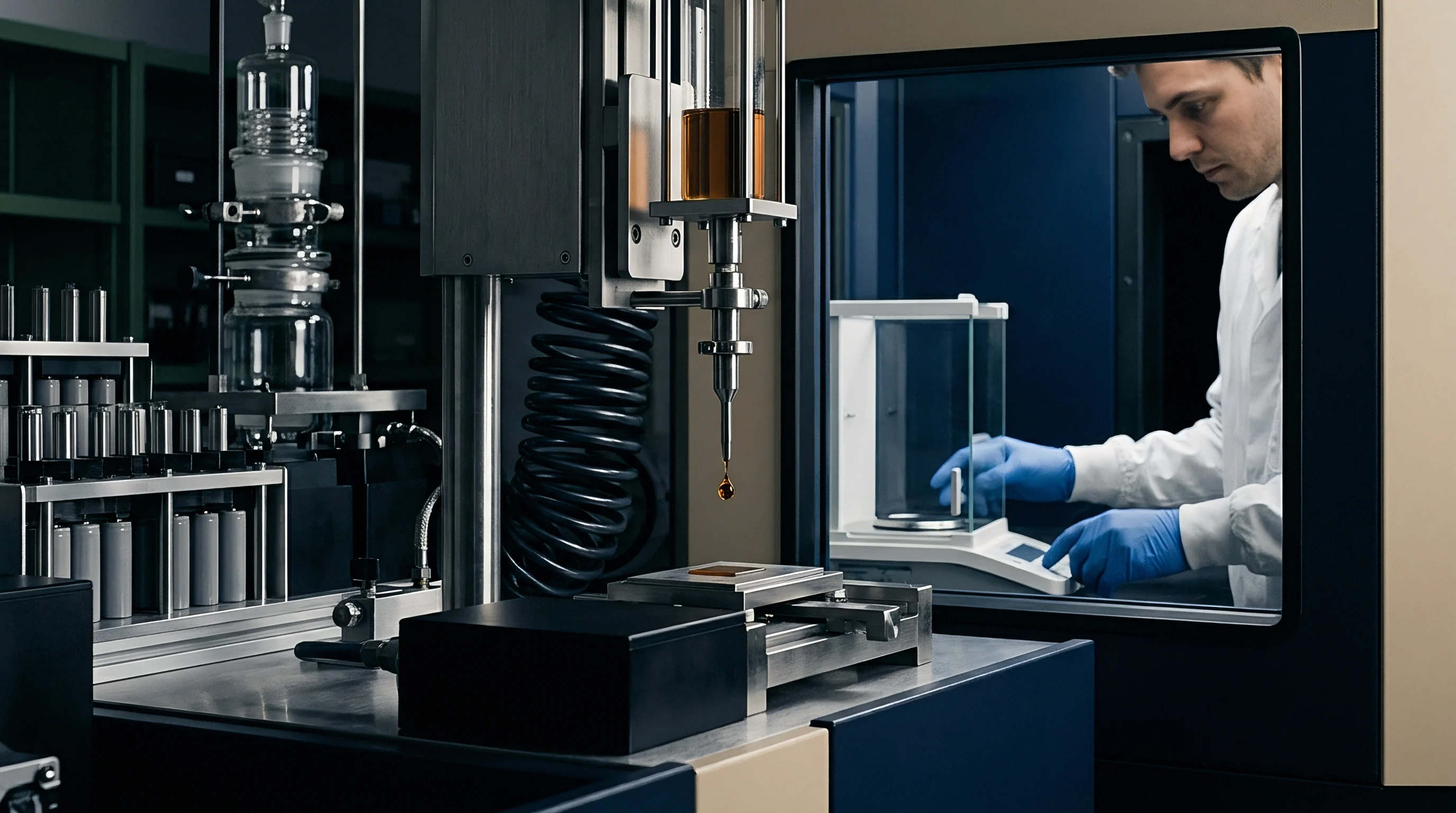
- Sample incoming raw electrolyte batches under anhydrous argon gas inside cleanroom inspection facilities.
- Measure solvent component ratios using gas chromatography mass spectrometry to verify ester content bounds.
- Perform moisture titrations to confirm water content remains under fifteen parts per million before cell filling.
- Conduct dynamic viscosity testing across a controlled temperature ramp from twenty-five down to minus forty degrees Celsius.
- Inspect vacuum filling line wet-out times on production trial cells to confirm rapid pore saturation.
Neglecting solvent volatility limits during vacuum filling results in un-wet electrode cores, leading to localized dry spots and permanent capacity loss on the first subzero pulse discharge.
Solvent
Co-solvent selection dictates both liquid diffusivity and interphase film composition. Ethylene carbonate forms a protective solid electrolyte interphase on graphite anodes. Its high melting point of thirty-six degrees Celsius degrades subzero performance when present in concentrations above twenty volume percent.
Fluoroethylene carbonate replaces standard cyclic carbonates, generating a thinner, inorganic-rich protective film containing lithium fluoride. Lithium fluoride interfaces exhibit lower charge-transfer resistance at subzero temperatures.
Cosolvent blends using low-melting esters lower bulk dielectric constants while maintaining adequate salt dissociation. Methyl acetate features a low melting point of minus ninety-eight degrees Celsius and low dynamic viscosity. High ester fractions reduce thermal runaway onset temperatures, requiring careful thermal safety engineering inside high-energy battery packs.
At -30 degrees C, ionic conductivity drops below 1 mS/cm when carboxylate esters fall below 20 volume percent.
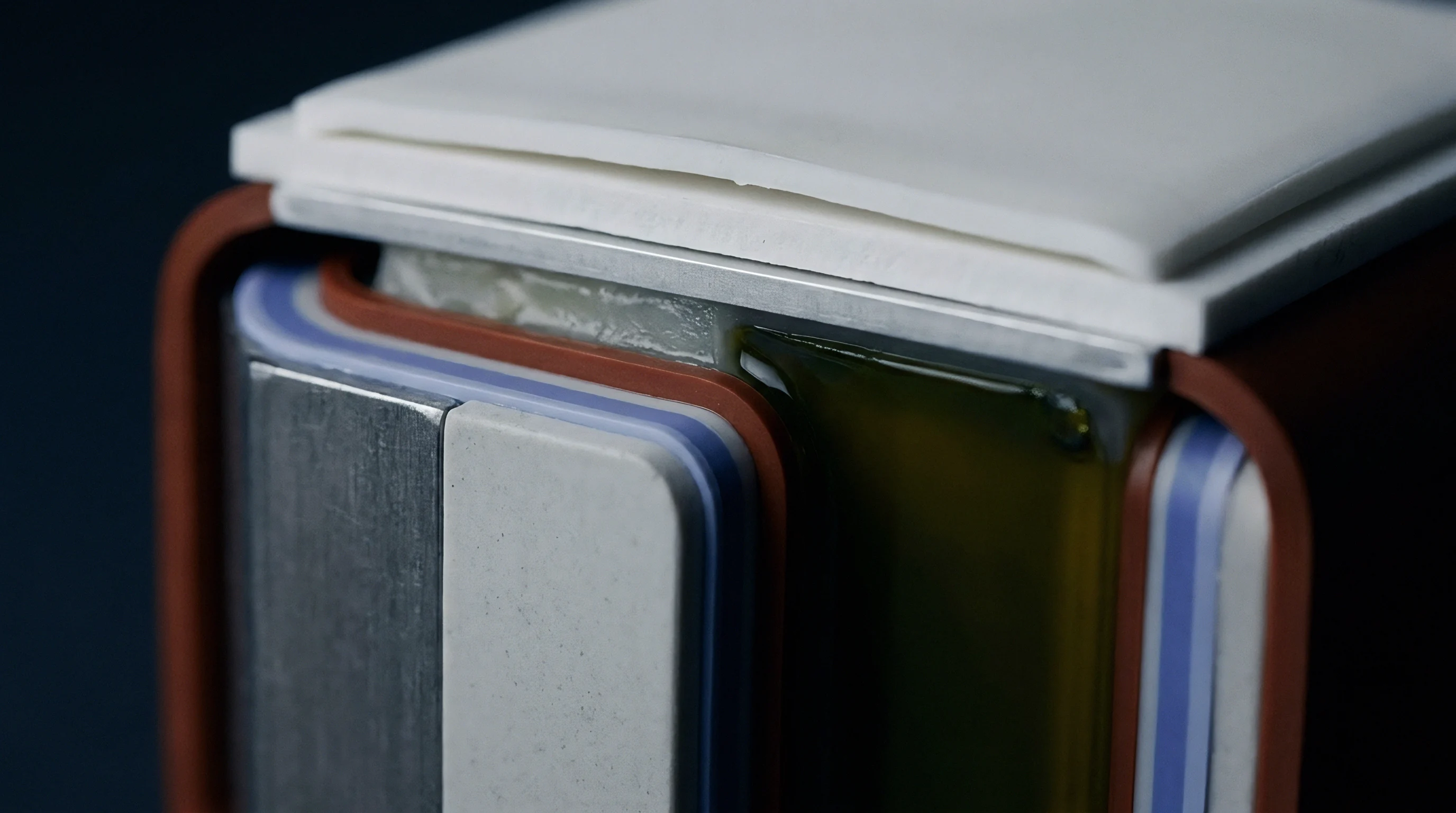
Subzero Rapid Discharge Polarisation Analysis
Cell polarization during subzero extreme fast discharge divides into ohmic resistance, charge-transfer impedance, and concentration polarization. Concentration polarization dominates the late stages of high C-rate pulses. Liquid phase diffusion limitations generate a steep concentration gradient across the separator and electrode layers, reducing terminal cell voltage.
Assume a sixty-Ampere-hour pouch cell operating at minus twenty degrees Celsius under a 10C discharge pulse of six hundred Amperes. The cell uses a two-hundred-micrometer thick electrode stack with standard porosity of thirty percent. Standard carbonate electrolyte yields a liquid phase lithium diffusion coefficient of 2.5 times 10 to the minus eighth square centimeters per second at this temperature.
Under these conditions, liquid phase salt depletion inside the anode structure occurs within 4.2 seconds of pulse initiation.
Substituting a low-viscosity ester-based electrolyte increases the subzero liquid phase diffusion coefficient to 8.1 times 10 to the minus eighth square centimeters per second. The salt depletion time extends to 13.6 seconds under identical 10C load conditions. The extended pulse capability prevents cell voltage from falling below the two-point-five volt cut-off threshold during cold cranking operation.

Could Low Viscosity Ester Solvents Cause High Temperature Gassing?
Linear carboxylate esters decompose at lower oxidative potentials on nickel-rich cathodes during ambient storage. High-temperature storage tests at sixty degrees Celsius show accelerated gas generation in cells containing methyl acetate. Gas evolution expands soft pouch cells, inducing stack delamination and increasing interfacial resistance.
Formulation engineers utilize protective cathode additives to suppress ester oxidation. Vinylene carbonate and tris(trimethylsilyl) phosphite build passivating layers over cathode active sites. These sacrificial additives prevent solvent degradation while preserving subzero liquid diffusivity.
Under section four of standard quality agreement contracts, failure to disclose solvent composition changes invalidates low-temperature cycle life performance warranties.
Plating
Subzero discharge pulses trigger transient lithium plating when extreme current demand forces local electrode potentials below zero volts against lithium reference. Liquid phase diffusion bottlenecks prevent lithium ions from intercalating fast enough into graphite layers. Cations accumulate at the graphite surface, where electron transfer converts them into metallic lithium.
Metallic lithium deposits consume active inventory and create internal short-circuit risks.
Fast discharge cycles at subzero temperatures induce non-uniform current distribution along active material layers. Electrodes experience structural stress from uneven intercalation gradients. Repeated low-temperature high-rate pulses cause graphite particle cracking, breaking protective film coatings and exposing fresh carbon to electrolyte reactions.
| Temperature (°C) | State of Charge (%) | Critical Discharge Rate (C-rate) | Critical Charge Rate (C-rate) | Plating Detection Method |
|---|---|---|---|---|
| 0 | 80 | 12.5C | 1.8C | In-situ Differential Voltage |
| -10 | 60 | 8.0C | 0.9C | Relaxation Voltage Plateau |
| -20 | 40 | 4.2C | 0.3C | Post-mortem SEM Analysis |
| -30 | 20 | 1.5C | 0.05C | Nuclear Magnetic Resonance |
Subzero discharge limits must be set carefully to avoid lithium plating during regenerative braking pulses. Regenerative charge pulses present a higher plating risk than discharge pulses due to favorable overpotentials at the anode surface.
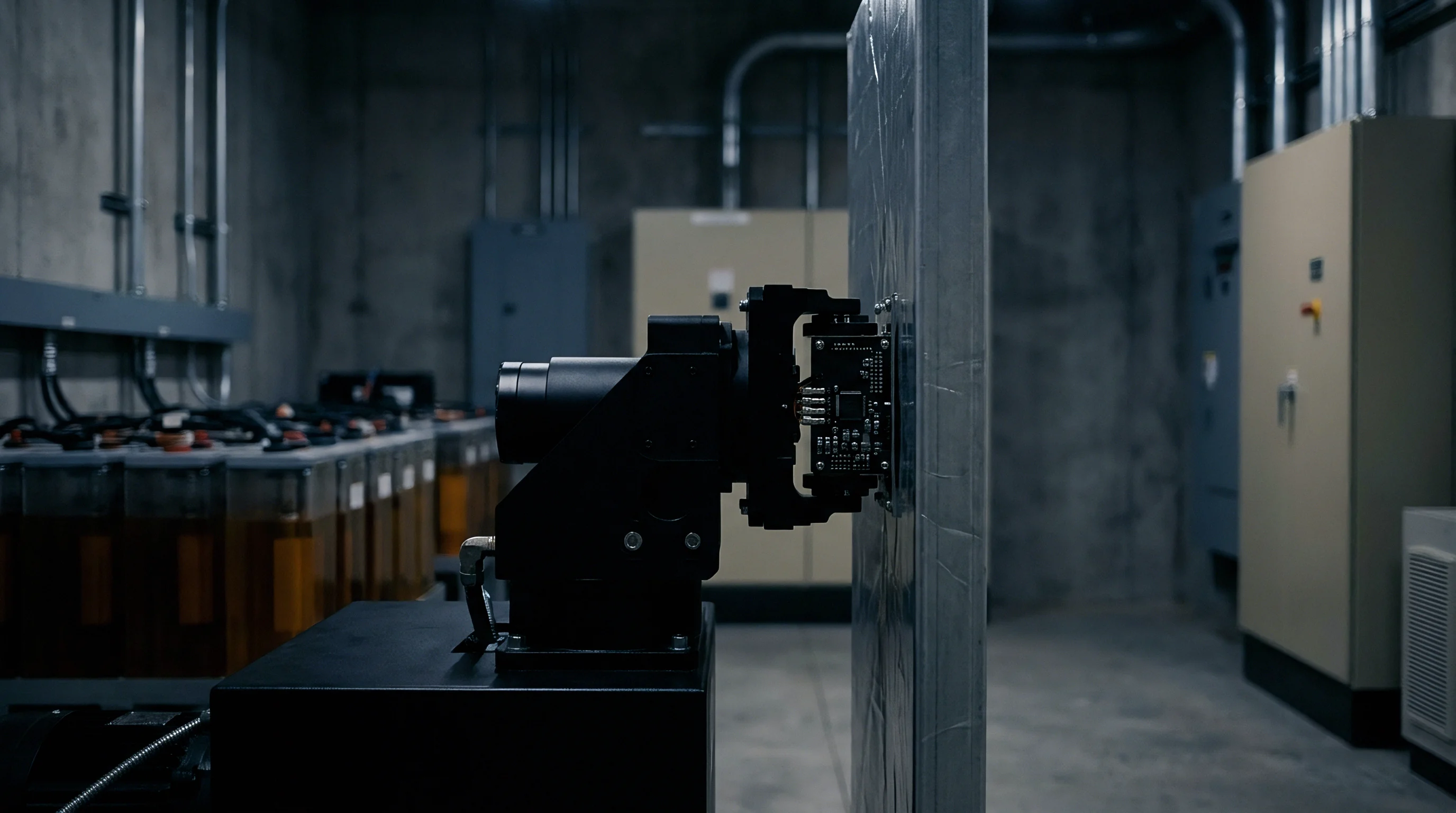
Failure Analysis Modes for Subzero Cell Formulations
- Anode Lithium Plating occurs when liquid transport limits force local anode potential negative, forming dendrites.
- Cathode Particle Cracking arises from severe concentration gradients generating internal mechanical shear stresses.
- Gas Generation results from thermal oxidation of subzero ester co-solvents on unpassivated cathode surfaces.
- SEI Growth and Thickenings stem from continuous decomposition of liquid electrolyte components on exposed lithium surfaces.
Whether advanced non-carbonate solvation structures can entirely prevent subzero lithium plating without degrading ambient calendering life remains an open question in low-temperature electrochemistry.
Margin
Designing subzero extreme fast discharge cell formulations requires balancing technical performance against landed cost constraints. Advanced lithium salts like lithium bis(fluorosulfonyl)imide carry a price premium over standard lithium hexafluorophosphate. Fluorinated solvents and high-purity linear esters increase bulk electrolyte liquid costs by fifty to one hundred twenty percent.
Sourcing teams must justify these raw material cost increases through pack-level thermal system simplification.
Cells optimized for subzero diffusivity eliminate the need for heavy, expensive pack pre-heating elements. Reducing pre-heating energy requirements shrinks auxiliary heater power electronics and overall pack weight. The resulting weight reduction restores system-level energy density lost to lower room-temperature cell capacity.
UN 38.3 T.7 overcharge test failure occurs automatically when subzero pulse discharge forces lithium plating across cell margins.

Commercial Procurement Considerations for Low-Temperature Cells
- Supplier Electrolyte Verification requires third-party gas chromatography verification on every incoming electrolyte lot.
- Storage Temperature Limits mandate strict warehouse climate control to prevent ester solvent degradation prior to cell assembly.
- Warranty Class Definitions should explicitly separate subzero pulse discharge allowances from continuous subzero operating limits.
- Yield Loss Buffers must account for higher cell rejection rates during low-temperature formation screening steps.
Cell specifications must match cold-climate duty cycles precisely to avoid paying for extreme low-temperature performance that the target application never utilizes.
Cell selection balancing subzero transport against room-temperature cycle life dictates overall system economics.