Meaning
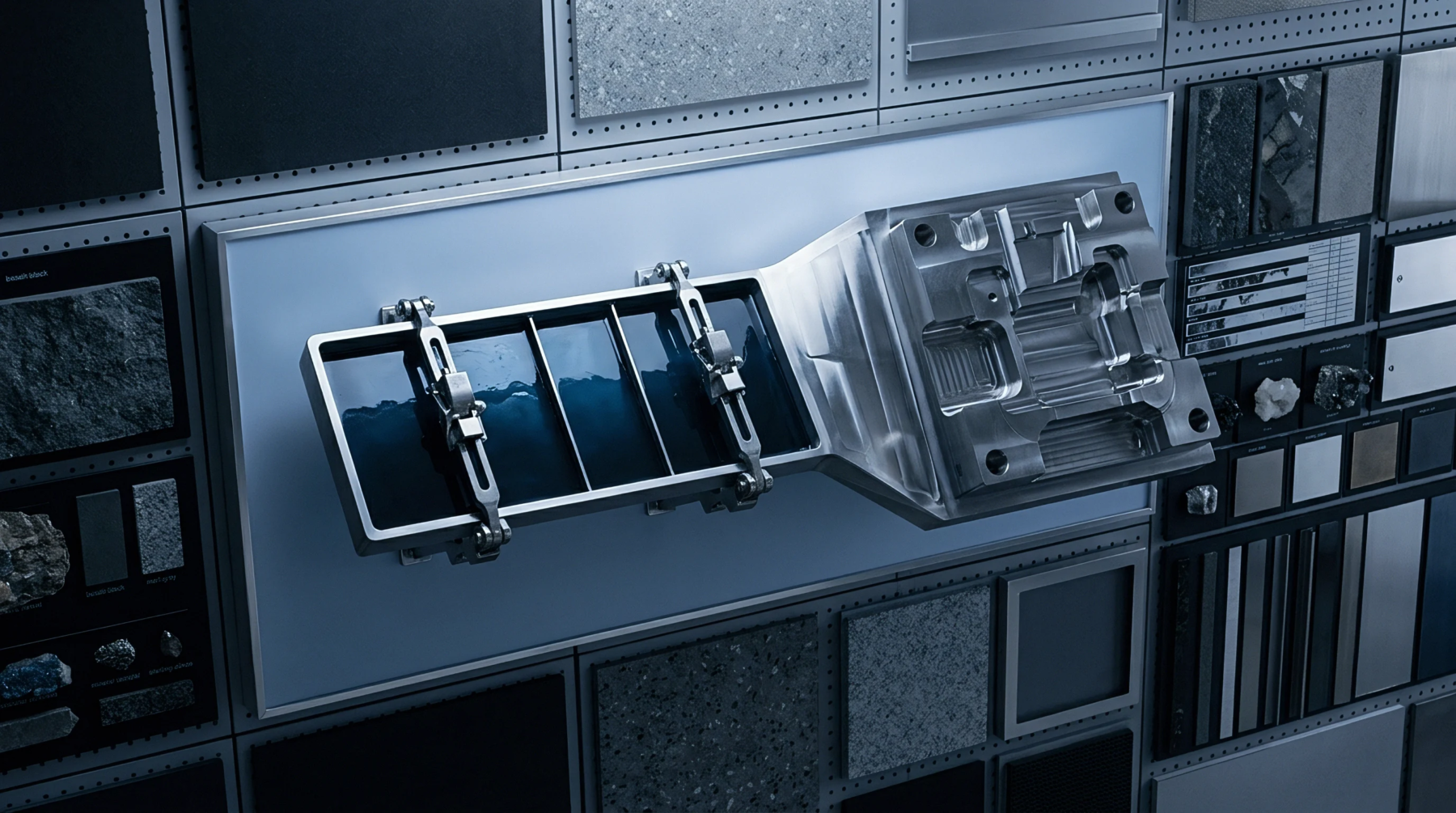
Automated metal forming tools facilitate high speed production by guiding a continuous strip of material through a series of sequential stations within a single press cycle. Progressive stamping dies transform raw coil stock into finished parts by performing multiple operations like punching, bending, and blanking in a linear progression. Each station executes a discrete modification to the workpiece so that the final component is separated from the scrap skeleton at the exit point.
Tooling Geometry
High precision alignment guides ensure the strip maintains consistent registration as it advances between press strokes. Pilots enter previously punched holes to verify the strip position before the rams descend to perform the next operation. This mechanical indexing compensates for minor variations in feed speed or material slack to maintain tight tolerances across complex geometries.
Production Efficiency
Manufacturers utilize these multi-stage systems to maximize throughput while minimizing manual handling of individual components. Large volumes of identical parts emerge from the equipment in rhythmic intervals that match the cycle rate of the mechanical press. High capital costs associated with building the specialized steel blocks find justification only through long production runs where the overhead amortizes over many thousands of units.
Maintenance Requirement
Sharp cutting edges require periodic regrinding to prevent burrs or distortions on the processed components. Lubrication systems applied to the punch face prevent friction welding of metallic debris that might otherwise damage the surface finish of the output. Proper care of the internal components preserves the dimensional accuracy of the entire toolset over the expected operational life of the die.