Verifying Transport Test Summary Validity for Imported Lithium Cell Cargo
Verify UN 38.3 transport test summaries by cross-referencing mass, model codes, and testing lab accreditation before releasing import freight payments.


Record
Dangerous goods acceptance desks decline inbound lithium cargo when documentation omits the ten statutory data points established in sub-section 38.3.5 of the United Nations Manual of Tests and Criteria. Commercial transport operators, maritime lines, and air freight forwarders enforce these requirements under international carriage agreements, including the International Maritime Dangerous Goods Code and the International Civil Aviation Organization Technical Instructions. Shipper entities frequently furnish technical datasheets or generic laboratory test certificates in place of the explicit transport test summary.
Cargo acceptance stops immediately upon that substitution. A compliant transport test summary identifies the exact cell, module, or assembly variant loaded inside the shipping containers.
Each cell variant crosses international customs borders accompanied by a verifiable test report history. Freight forwarders review the documentation against physical carton markings before loading. The physical labels require precise alignment with the registered model designation, cell mass, and watt-hour classification cited within the document body.
Ambiguity between product variations invalidates the declaration during receiving checks.
- Applicant identity omissions occur when trading entities redact the primary manufacturer name, voiding chain of custody verification.
- Watt-hour calculation discrepancies surface through differences between cell body prints and transport declaration sheets.
- Laboratory accreditation gaps invalidate filings when testing bodies lack certified ISO/IEC 17025 competence credentials.
- Missing physical signatures prevent customs clearance by omitting the authorized signatory name and executive title.
Cell specifications drift across multi-year production runs. Cathode thickness, separator composition, and internal packaging tolerances shift as tier-one factories refine cell processing lines. Any change affecting more than twenty percent of total mass or zero point one gram of equivalent lithium content triggers full re-testing under the United Nations testing scheme.
| Element Field | Statutory Content Requirement | Border Clearance Failure Mode |
|---|---|---|
| Manufacturer Details | Name, address, telephone, email, and corporate website of the product manufacturer | Trading house replaces factory name with shell entity |
| Test Laboratory Info | Complete facility name, full contact address, telephone, and website credentials | Omission of verifiable physical laboratory address |
| Report Identification | Unique test report tracking number and exact completion date | Mismatched report identifiers across freight documents |
| Product Description | Cell or battery classification, mass in grams, electrical parameters, chemistry, model name | Declared cell mass differs from carton unit weight |
| Test Schedule Records | Explicit pass or fail results for sub-tests T.1 through T.8 | Omission of T.6 impact or T.8 forced discharge rows |
| Assembly Test Status | Confirmation whether battery assembly testing applies under sub-section 38.3.3 | Leaving multi-cell pack evaluation blank |
| Reference Standards | Revision level and amendment number of the UN Manual applied | Citing obsolete revisions older than sixth revised edition |
| Authorized Signatory | Name and executive title of corporate authority validating the summary | Digital document lacking verifiable human signature |
Air transport documentation demands immediate precision. Ocean carriers reject bookings when consignors present outdated documentation referencing revoked standards amendments. Verification procedures examine the document issuer against accredited testing facility databases.
Freight forwarders match the packaging group, gross weight limits, and physical label details against the submitted summary.
Under international maritime contracts, the standard charter party dangerous goods clause holds the shipper liable for all delay costs, container shift expenses, and terminal storage fees arising from defective test declarations.

Stress
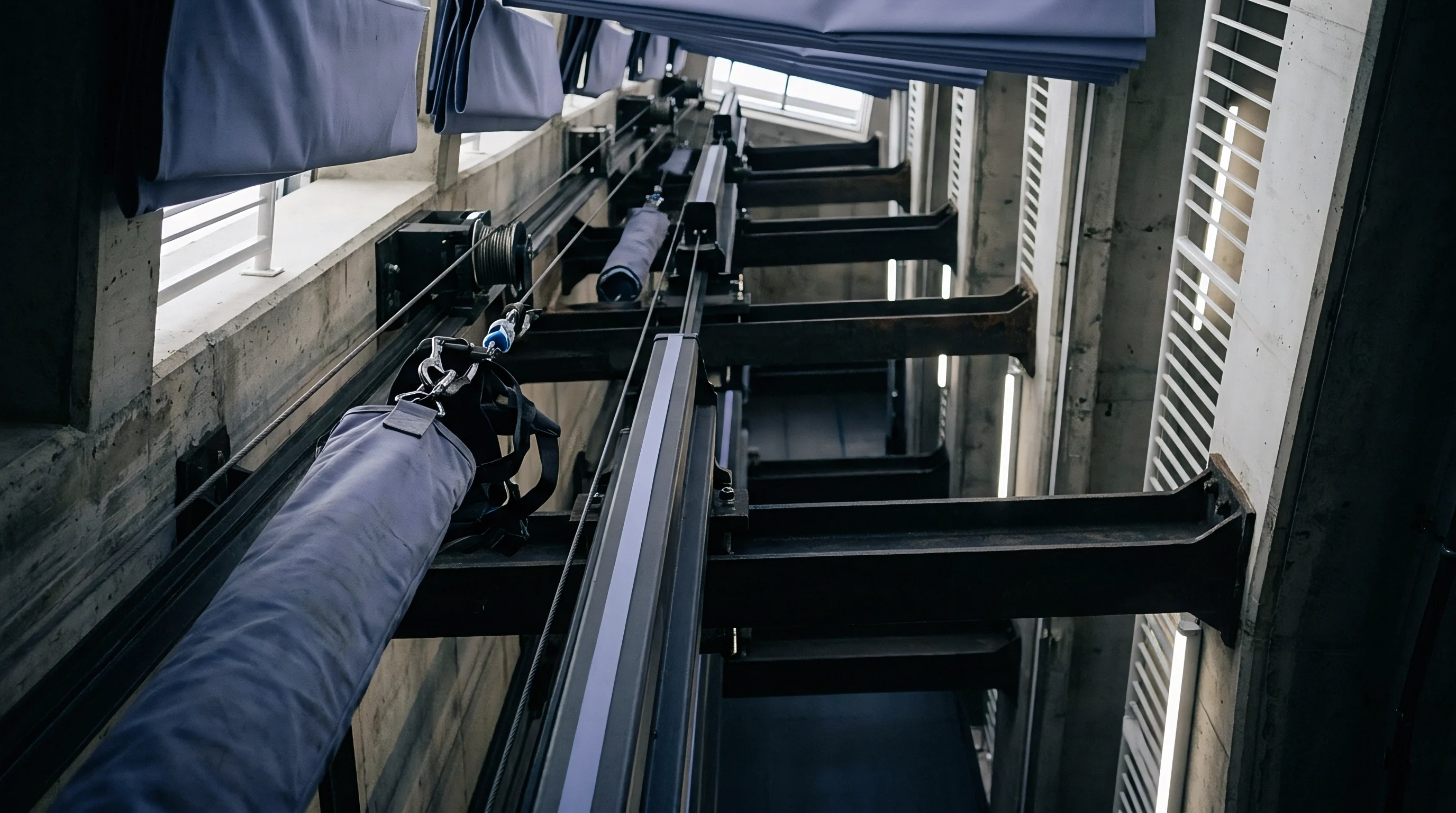
Laboratory evaluations subject lithium cells to destructive environmental and mechanical stresses. The test protocol evaluates the structural integrity of internal jelly rolls, tabs, current collectors, and pressure relief vents under extreme conditions. Thermal shock cycles alternate ambient temperatures between seventy-two degrees Celsius and negative forty degrees Celsius inside controlled chambers.
Sub-test T.1 through T.5 apply sequentially to the same ten sample cells. Failure occurs when an individual cell vents, leaks, disassembles, ruptures, or ignites during observation intervals.

Mechanical Abuse Boundaries
Vibration routines apply sinusoidal sweeps from seven Hertz to two hundred Hertz across three orthogonal axes. The test apparatus maintains a logarithmic sweep rate over three hours per axis. Mechanical shock rigs apply half-sine shocks of one hundred and fifty peak acceleration gravity units to small cells, holding pulse durations at six milliseconds.
Large industrial cells endure fifty peak acceleration gravity units across eleven milliseconds.
A cell case venting fluid during vibration or altitude depressurization forfeits transport approval across all transport modes.
Short circuit simulations expose conditioned samples to external resistive loads below zero point one ohms at fifty-seven degrees Celsius. The test monitors casing temperatures until cell surfaces return to ambient levels. Pyrolysis of electrolyte solvents, casing rupture, and flame emission represent immediate test failures.
Separator film shutdown performance determines whether internal shorts trigger uncontrolled thermal runaway.
| Test Protocol | Environmental and Dynamic Stress Parameters | Passing Acceptance Criteria |
|---|---|---|
| T.1 Altitude Simulation | Absolute pressure 11.6 kPa, storage duration 6 hours at 20°C | Zero mass loss, zero leakage, zero venting, zero rupture |
| T.2 Thermal Cycling | Ten cycles from 72°C to -40°C, 4-hour dwell, 10-minute transition | Residual open-circuit voltage at least 90 percent of baseline |
| T.3 Vibration Stress | 7 Hz to 200 Hz sweep, 1 oct/min, 3 axes, 3 hours per orientation | No case deformation, zero voltage collapse, zero mass loss |
| T.4 Mechanical Shock | Half-sine pulse, 150 gn at 6 ms, 3 shocks per direction across 6 axes | Zero physical damage, zero disassembly, zero fire |
| T.5 External Short Circuit | Load resistance below 0.1 ohm at 57°C, hold 1 hour past peak temp | Casing temperature remains below 170°C, no ignition |
| T.6 Impact and Crush | 9.1 kg mass dropped from 61 cm, or hydraulic crush at 1.5 cm/s | External temperature stays under 170°C, zero disassembly |
| T.7 Overcharge Stress | Twice maximum continuous charge current, duration 24 hours | No fire, no disassembly within 7 days of observation |
| T.8 Forced Discharge | Reverse drive at rated current for duration equal to rated capacity | No explosion, zero flame across 7 days post-test monitoring |

What Triggers Design Retesting Requirements?
Cell design revisions void existing compliance reports. Chemical changes inside the active materials alter the thermal breakdown kinetics. Replacing an artificial graphite anode with a silicon-doped composite changes volumetric expansion ratios during lithiation.
The resulting swelling exerts mechanical forces on cell walls, modifying performance during sub-test T.4 shock sequences.
Geometric adjustments require fresh certification. Increasing cylindrical cell diameters or changing pouch foil thickness shifts heat dissipation corridors during short-circuit tests. Changes in safety vent burst pressure thresholds require complete test iteration.
If the vent burst pressure increases, casing rupture risks elevate during thermal cycling. Component modifications demand full regulatory recertification before volume shipping commences.
A testing report valid for a baseline design never shields a modified cell variant from carrier refusal.

Port
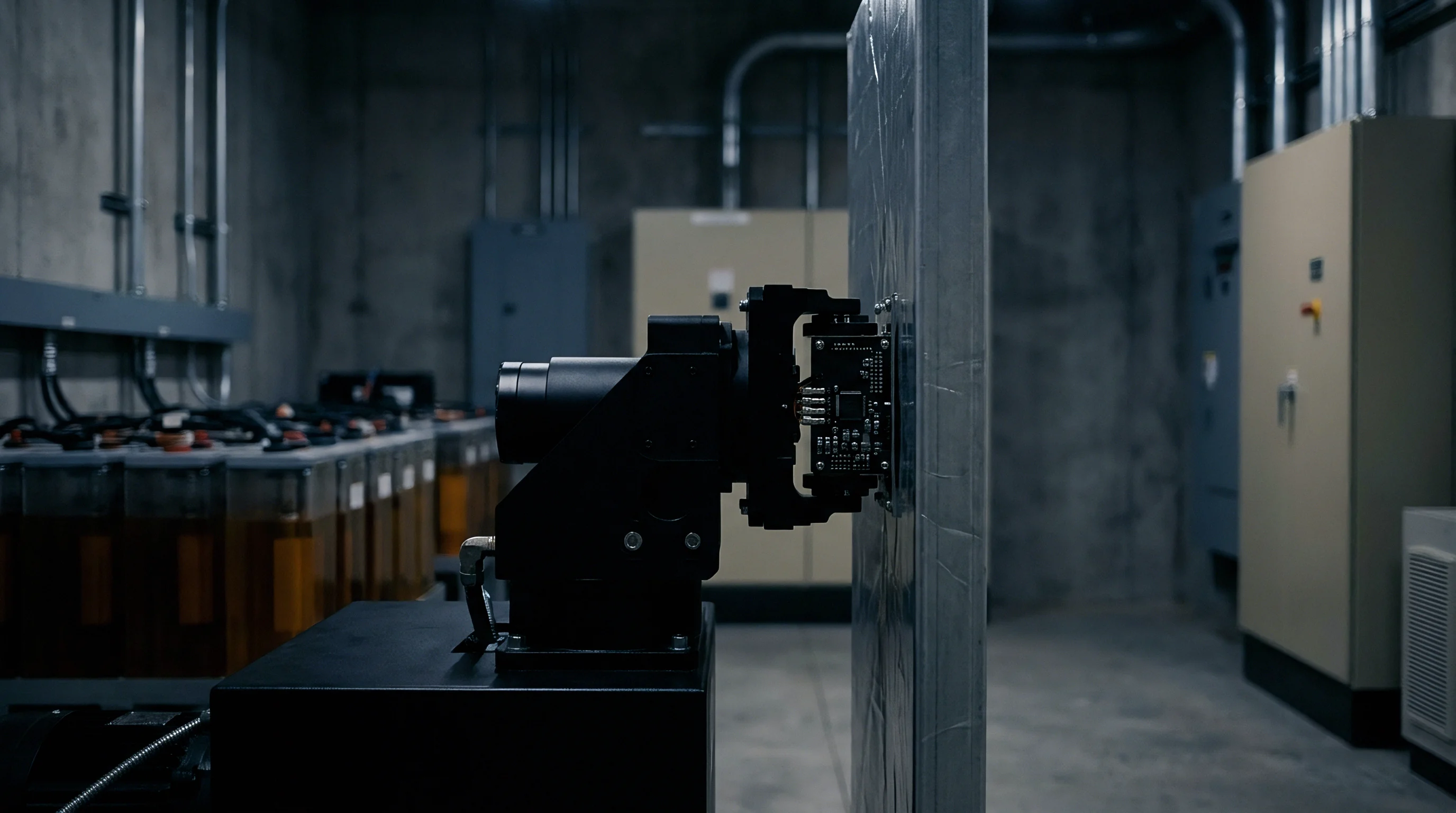
Customs officials and terminal inspection officers hold suspicious lithium cargo at maritime docks. Terminal gate operators verify packing container manifests against dangerous goods declarations upon arrival. Ocean container lines categorize industrial cells under UN 3480, Class 9 dangerous goods.
If cargo arrives without a valid test summary, port marshals order the container to hazardous holding areas. Demurrage accrues daily while cargo owners seek documentation from overseas factories.
Whose Signature Validates Test Documentation?
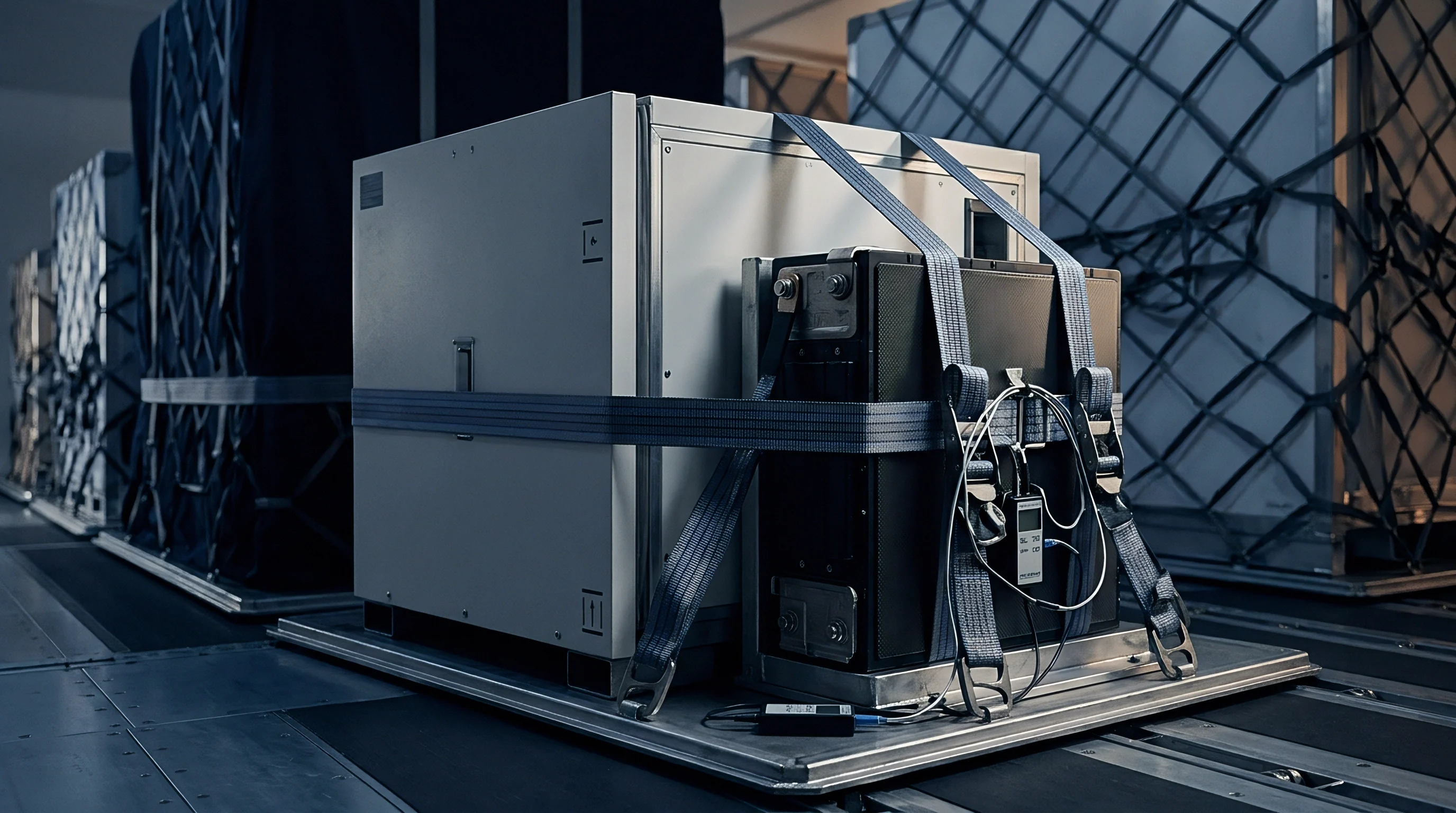
A designated corporate officer of the original manufacturer must execute the summary. The signatory assumes legal responsibility for the testing declaration. Freight forwarders reject documents bearing digital stamps without verifiable organizational roles.
If a document lacks the corporate identity, telephone contact, or physical address of the signatory, port gate clerks deny terminal entrance.
A sixty-day port detention fee often exceeds the total landed value of an economy-grade lithium iron phosphate container load.
Vessel masters refuse loading when paperwork diverges from container labeling. Maritime carriers face severe fines from national coast guards for transporting uncertified hazardous inventory. Ocean lines examine the laboratory name on the test summary against international lists of accredited testing bodies.
A laboratory without mutual recognition status under the International Laboratory Accreditation Cooperation triggers immediate audit flags.
| Transport Mode | Applicable Standard Rule | Carrier Acceptance Threshold | Default Action on Document Failure |
|---|---|---|---|
| Air Cargo Carrier | ICAO Packing Instruction 965 | State of charge below 30 percent, strict test summary matching | Ramp refusal, mandatory shipment return |
| Ocean Container Line | IMDG Code Special Provision 230 | Verified summary, compliant container placarding, valid packaging | Vessel loading denial, hazardous yard detention |
| Cross-Border Rail | RID Dangerous Goods Appendix C | Model cross-check against packing list, certified outer packaging | Siding impoundment, carrier fine assessment |
| Road Drayage Hauler | ADR Carriage Agreement Chapter 2.2 | Driver paperwork file match, dangerous goods transport note | Gate turnaway, port access denial |
Terminal delays compound daily expenses. When port inspectors hold a forty-foot container, reefer plug fees, hazardous storage surcharges, and chassis leases accumulate without pause. Cargo owners cannot unload containers onto domestic rail lines until maritime safety inspectors clear the paperwork trail.
Uncertified lithium shipments stranded at dock facilities face mandatory return to the port of embarkation at the exclusive expense of the importer of record.


Discrepancy
Counterfeit transport test summaries circulate widely across secondary supplier networks. Disreputable vendors repurpose legitimate test documentation issued to reputable manufacturers. They superimpose new model numbers onto scanned certificates using editing software.
Careful inspection reveals misaligned fonts, mismatched document identification numbers, and incompatible chemical parameters.
A systematic documentary reconciliation isolates fabricated certificates before containers depart foreign factories. The evaluation tracks serial codes, mass calculations, and dimensional bounds.
- Establish baseline physical parameters by extracting the exact cell mass in grams, cell dimensions, and electrical capacity from the laboratory test report.
- Conduct physical receiving audits on inbound pre-shipment lots to confirm that the weighed cell mass matches the recorded report weight within three percent.
- Verify testing facility accreditation status directly through official online directories operated by national accreditation bodies.
- Cross-examine report reference dates to ensure the testing preceded the commercial manufacturing date of the imported inventory batch.

Weight and Volume Arithmetic
Cell mass provides an unambiguous metric for detecting fraudulent documentation. Consider an imported lot of prismatic cells declared as two hundred and eighty ampere-hour lithium iron phosphate units. The accompanying test summary lists a unit mass of five point four two kilograms.
The volumetric dimensions measure seventy-two millimeters by one hundred and seventy-four millimeters by two hundred and seven millimeters. This volume yields two point five nine liters. The resulting volumetric energy density calculates to three hundred and forty-six watt-hours per liter, assuming a three point two volt nominal cell potential.
Physical incoming inspection of the actual cargo reveals an average unit weight of five point one eight kilograms across sampled crates. That deviation of two hundred and forty grams represents a four point four percent reduction from the certified document. A mass variance of that scale indicates alternative internal construction, thinner current collector foils, or reduced electrode coatings.
The tested article does not match the shipped commodity. The certification fails to cover the shipment.
Under international dangerous goods regulations, a four percent deviation between documented test mass and delivered cargo mass voids transport compliance.
Brokers explain discrepancies by claiming that minor manufacturing iterations explain changes in cell weight without affecting transport safety characteristics.

Detention
Legal responsibility for non-compliant dangerous goods imports falls directly upon the declared importer of record. Customs administrations impose statutory penalties for misdeclared cargo under national customs enforcement acts. When dangerous goods arrive under invalid documentation, customs agencies treat the cargo as an undeclared hazardous shipment.
Civil fines attach to each individual container infraction. Willful non-compliance escalates administrative disputes into criminal liability under domestic border security statutes.
Insurance coverage lapses when cargo moves under falsified safety documentation. Marine cargo underwriters incorporate express compliance warranties into marine insurance policies. These clauses require absolute adherence to statutory dangerous goods transport codes.
If thermal runaway occurs aboard a vessel or within a port facility, the insurer examines the transport test summary file. The discovery of an invalid, forged, or mismatched test summary relieves the insurer of all indemnity obligations.
- Request the primary manufacturer transport test summary directly from the cell fabrication factory before issuing purchase orders.
- Submit the document tracking code to the issuing testing laboratory to verify authenticity against original laboratory archives.
- Inspect production lot codes on physical cell casings to confirm alignment with factory production windows cited in the safety file.
- Secure written contractual representations from sellers guaranteeing that delivered units replicate the exact specification of the tested samples.
A major legal question centers on the contractual recourse available to buyers when foreign suppliers supply unverified cells that prompt customs confiscation, leaving domestic buyers with substantial storage liabilities while overseas sellers remain outside the jurisdiction of domestic commercial arbitration courts.