
Automated Off-Gas Detection Limits for Volatile Organic Compounds in Lithium Battery Cargo
Automated VOC detection limits for lithium battery cargo require setting DMC thresholds below 1 ppm while filtering ambient timber and adhesive backgrounds.
Automated VOC detection limits for lithium battery cargo require setting DMC thresholds below 1 ppm while filtering ambient timber and adhesive backgrounds.
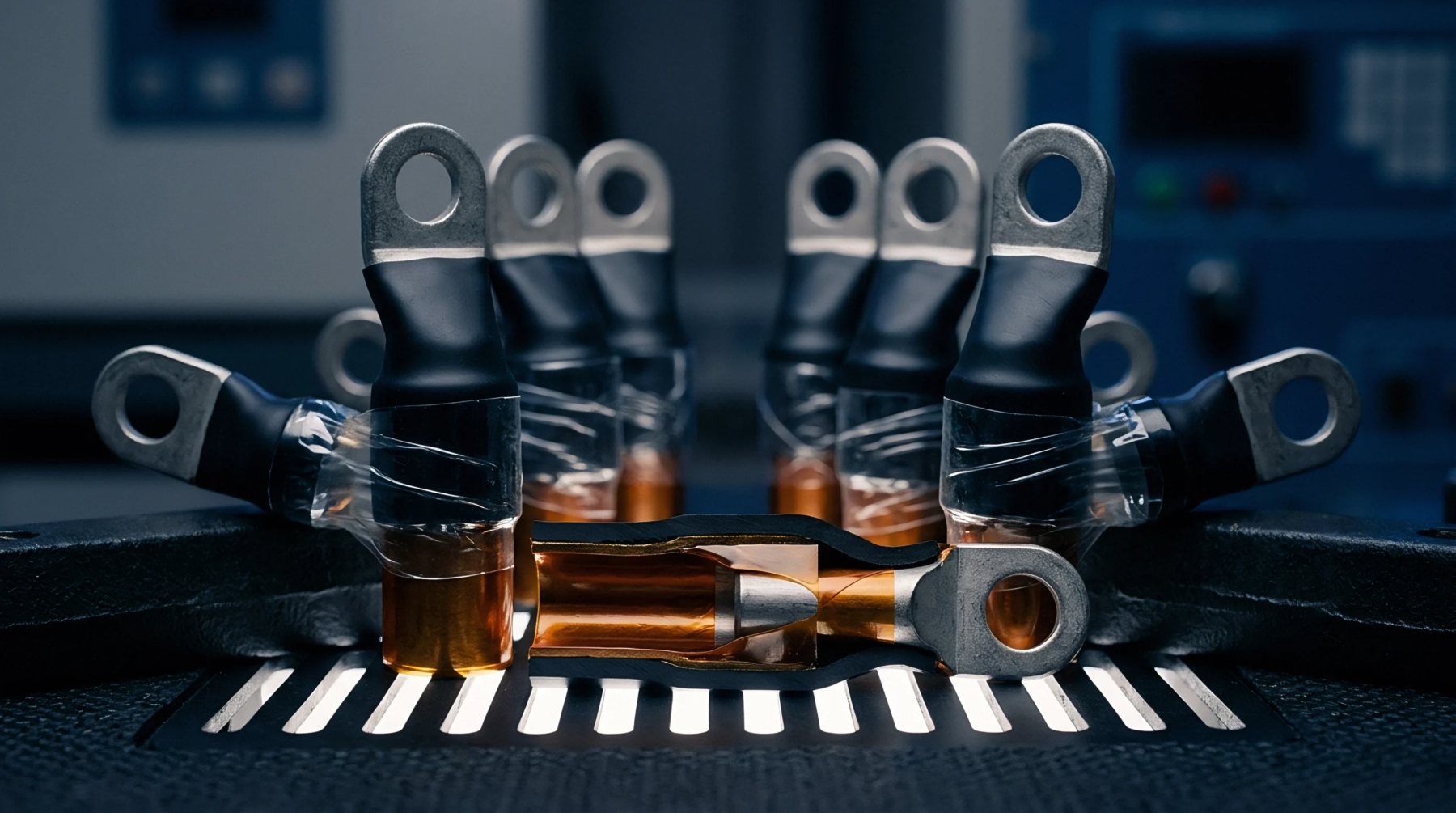
Importers mitigate cross-border forged lab schedules by enforcing primary ISO 17025 direct testing, independent ILAC verification, and escrow gates.

Dynamic fast charging below zero degrees requires real-time overpotential feedback control to prevent lithium plating and maintain safety certification validity.

Differential capacity analysis extracts thermodynamic phase boundaries to deconvolve lithium inventory loss from active material degradation non destructively.

Verify inbound cell compliance using ISO 2859-1 sampling, microvolt OCV screening, K-value decay tracking, and UN 38.3 audit chains before pack assembly.

Heat seal micro-voids expand under altitude depressurization, requiring helium leak rates below 10^-6 mbar L/s to prevent electrolyte dry-out and UN 38.3 failure.

UN 38.3 mandates eight environmental and electrical safety tests for lithium batteries, requiring verified test summaries for legal commercial transport.
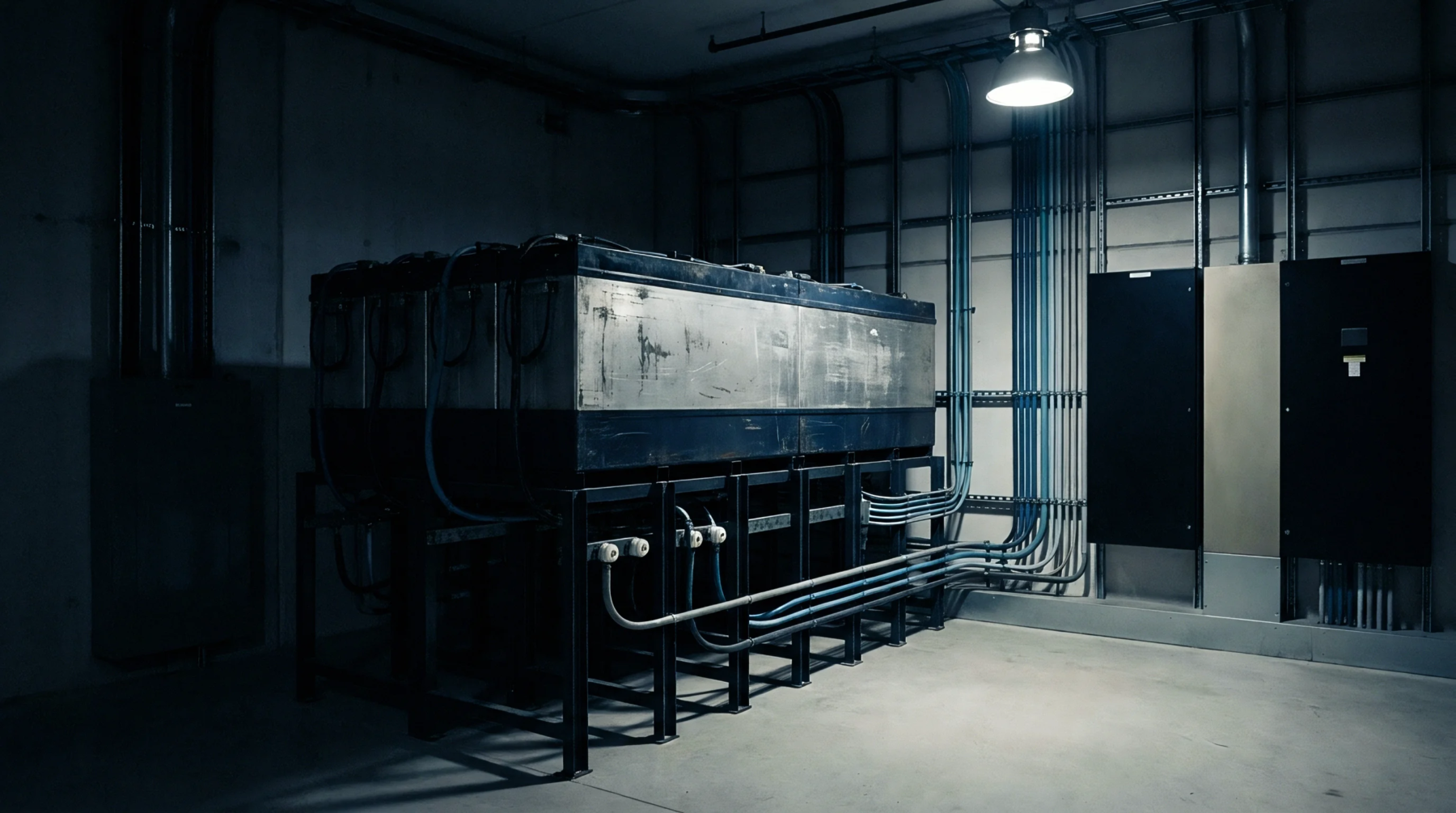
Local intercalation overpotentials in large format cells force anode potentials below 0V vs Li/Li+, causing lithium plating long before terminal voltage limits.
Expertise is a utility, not a secret. sentiention™ publishes its working knowledge as open reference: intelligence layer covering the materials it sources, the markets it enters, and the reference that serves both.