Meaning
A regulatory category designates materials and articles that present miscellaneous hazards during transport but do not fit other hazard classes. Lithium batteries are classified under Class 9 dangerous goods because of their potential to overheat, vent, or experience thermal runaway during shipment. This designation imposes strict international transport rules governing packaging, labeling, and documentation for air, sea, and land travel.
It applies continuously from the moment the cells leave the factory until they reach the final assembly site.
Transport Regulation
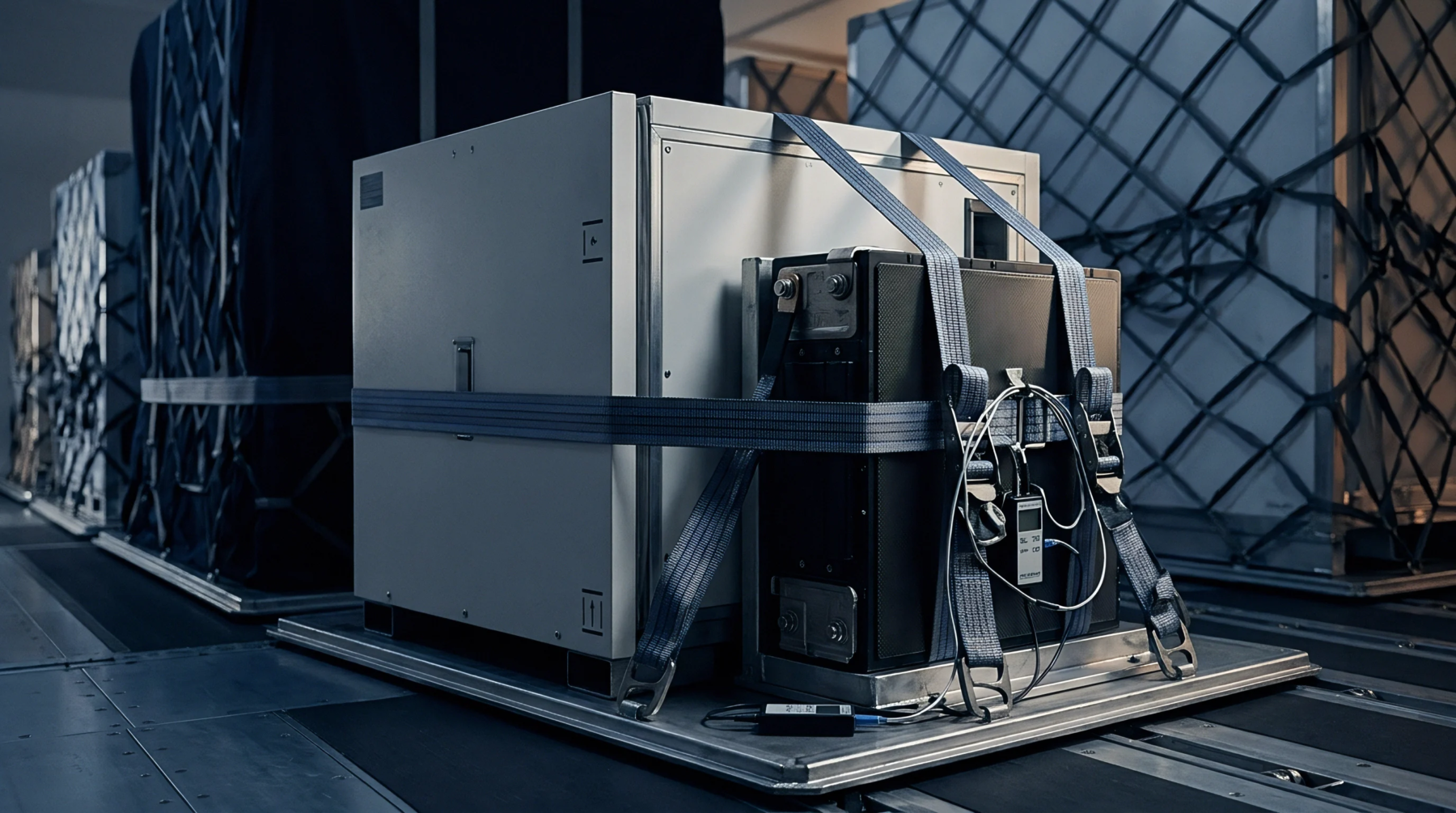
By enforcing standardized packaging designs, this international shipping rule minimizes the risk of accidental short circuits or physical damage during transit. The Class 9 dangerous goods classification requires shippers to use certified packaging that can withstand drops, vibrations, and pressure changes. It also mandates the use of specific hazard labels and handling instructions on all outer shipping containers.
This systematic oversight ensures that emergency responders can quickly identify the risks associated with the cargo.
Logistics Planning
Sourcing managers must account for these regulatory requirements when calculating shipping costs and delivery times for cell shipments. Shipping under Class 9 dangerous goods guidelines often limits transport options, as certain passenger aircraft and passenger ships refuse to carry these items. This constraint increases logistics complexity, requiring companies to work with certified carriers and trained hazardous materials specialists.
It influences the selection of warehouse locations and transport routes to ensure uninterrupted supply.
Compliance Boundary
This legal framework does not regulate the use or storage of cells within a manufacturing facility, where local industrial safety codes apply. The transit regulations apply exclusively to public transport networks and cross-border shipments under international agreements. Once the packaging is opened and the cells are integrated into finished equipment, different safety protocols take over.
This boundary defines where transport liability ends and product safety liability begins.