Meaning
Standardized methods for determining the fire resistance of building elements provide structural performance benchmarks under controlled thermal exposure. Sourcing teams in the energy storage sector rely on astm e119 to specify the endurance of barriers designed to contain thermal runaways within designated utility zones. This protocol defines the timeframe a structural assembly maintains its load-bearing capacity and prevents the passage of heat or flame.
It does not evaluate the electrical performance of battery chemistry or the toxic emissions from burning electrolyte solvents.
Thermal Exposure
Temperature curves specified in this testing standard simulate a fully developed structural fire that intensifies rapidly over several hours. Testing laboratories expose full-scale mockups of walls, partitions, or ceilings to furnace temperatures that reach specific points, such as one thousand degrees Fahrenheit at five minutes and one thousand seven hundred degrees at one hour. This intense heat ramp forces engineers to use high-performance materials in battery enclosures.
Testing Method
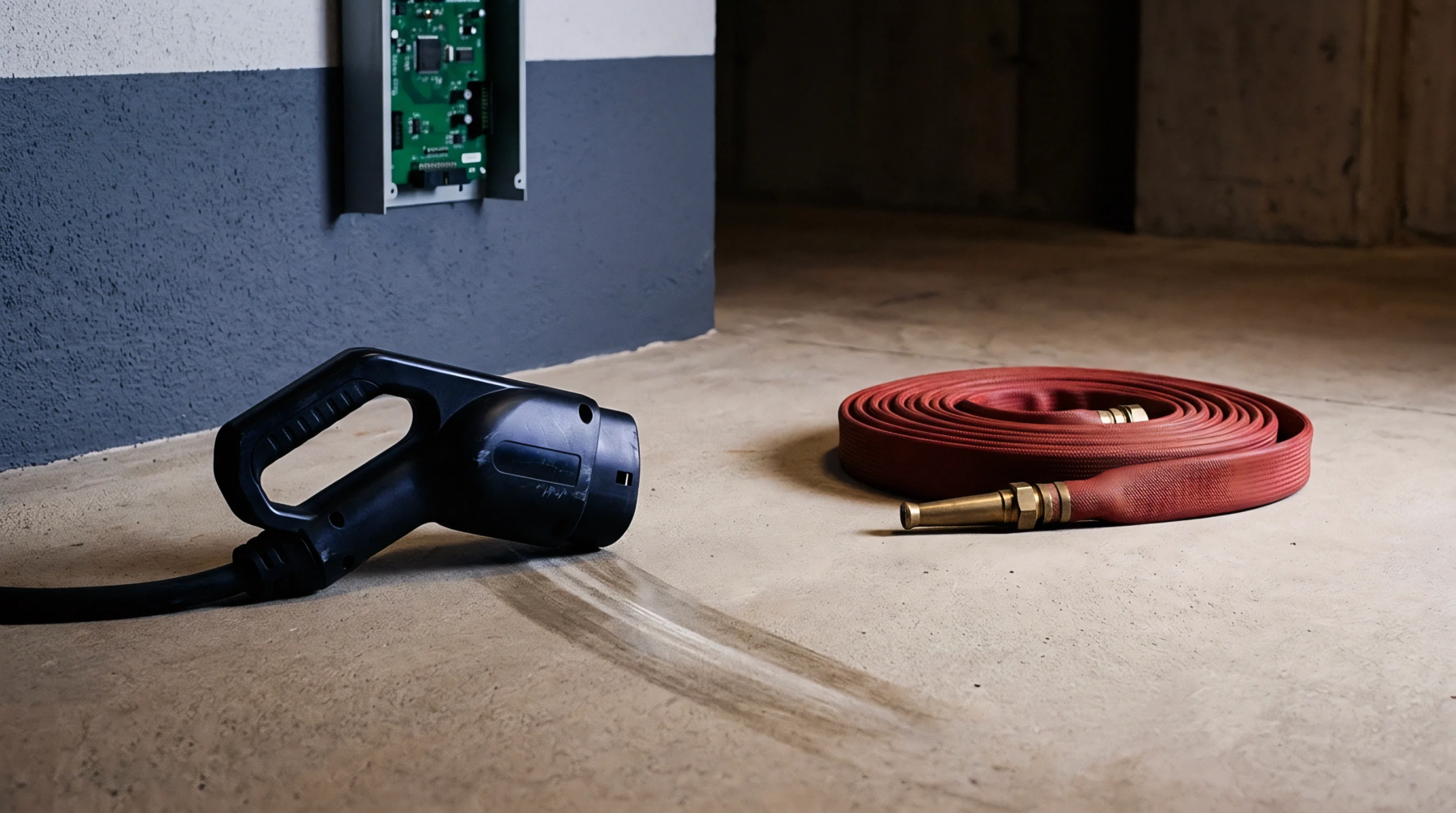
Measuring heat transmission requires placing thermocouples on the unexposed surface of the test specimen to ensure the average temperature does not rise more than two hundred and fifty degrees Fahrenheit above the initial ambient level. This strict limit prevents the radiant heat from igniting adjacent energy storage cabinets or cabling bundles in a real-world station. A secondary challenge is the hose stream test, which applies a high-pressure water stream to the fire-exposed specimen after the thermal phase.
This physical shock evaluates whether the thermal barrier can withstand falling debris and high-pressure fire suppression activities without collapsing or developing gaps.
Rating Criteria
Sourcing managers use the hourly ratings derived from these procedures to fulfill local zoning rules and industrial safety demands. Standard ratings typically run from one to four hours depending on the density of the battery installation and the proximity to adjacent properties. Incorporating certified materials decreases the financial risk of catastrophic cascading failures in dense urban installations.
Safety planners specify these barriers when designing modern battery storage facilities.