
Cathode Interface Degradation in High Voltage Thermal Cycling
High voltage thermal cycling accelerates cathode surface reconstruction and metal dissolution, doubling impedance and driving capacity fade.
High voltage thermal cycling accelerates cathode surface reconstruction and metal dissolution, doubling impedance and driving capacity fade.
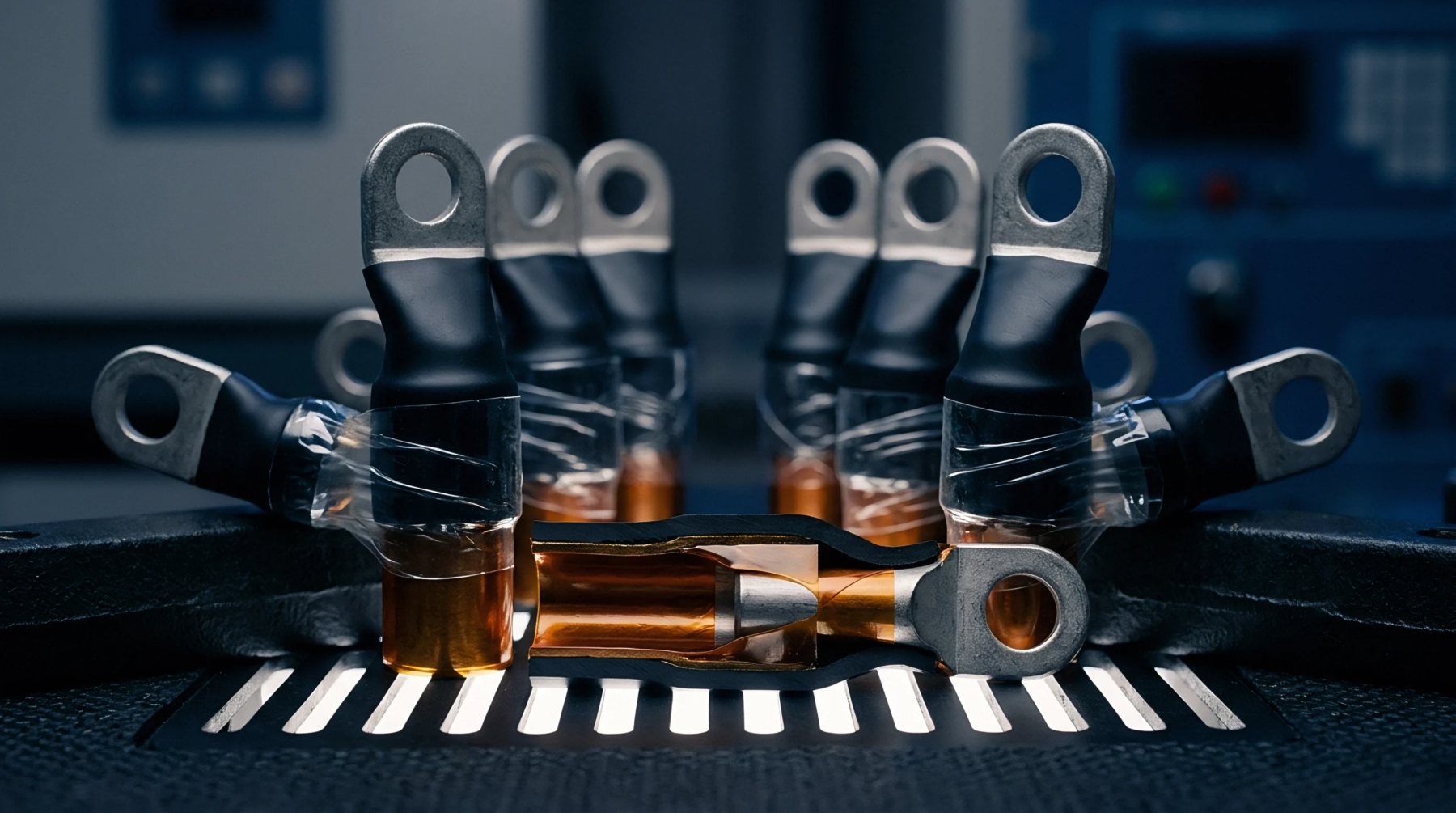
High-voltage cathode metal leaching drives anode cross-talk, destroying SEI layers and causing cell swelling that invalidates warranty and shipping files.

Extended high voltage thermal abuse destabilizes cathode oxide crystal lattices; atomic layer coatings suppress phase transformation and maintain transport compliance.

High voltage operation drives cathode surface phase restructuring into an insulating rocksalt layer, accelerating capacity loss and warranty exposure.

Nickel dissolution in high-nickel cells causes anode passivation breakdown, accelerating lithium plating and demanding contractual upper cutoff voltage caps.

Surface phase transitions from layered to rock-salt structures drive impedance growth and oxygen release, requiring targeted surface modifications to preserve cycle life.

Lattice oxygen evolution and transition metal leaching in ultra-high nickel cathodes require bulk doping, surface passivation, and strict procurement controls to prevent severe full-cell capacity loss.

Transition metal dissolution at high voltages degrades anode interphases, demanding targeted lattice doping and analytical incoming batch audits to manage warranty risk.
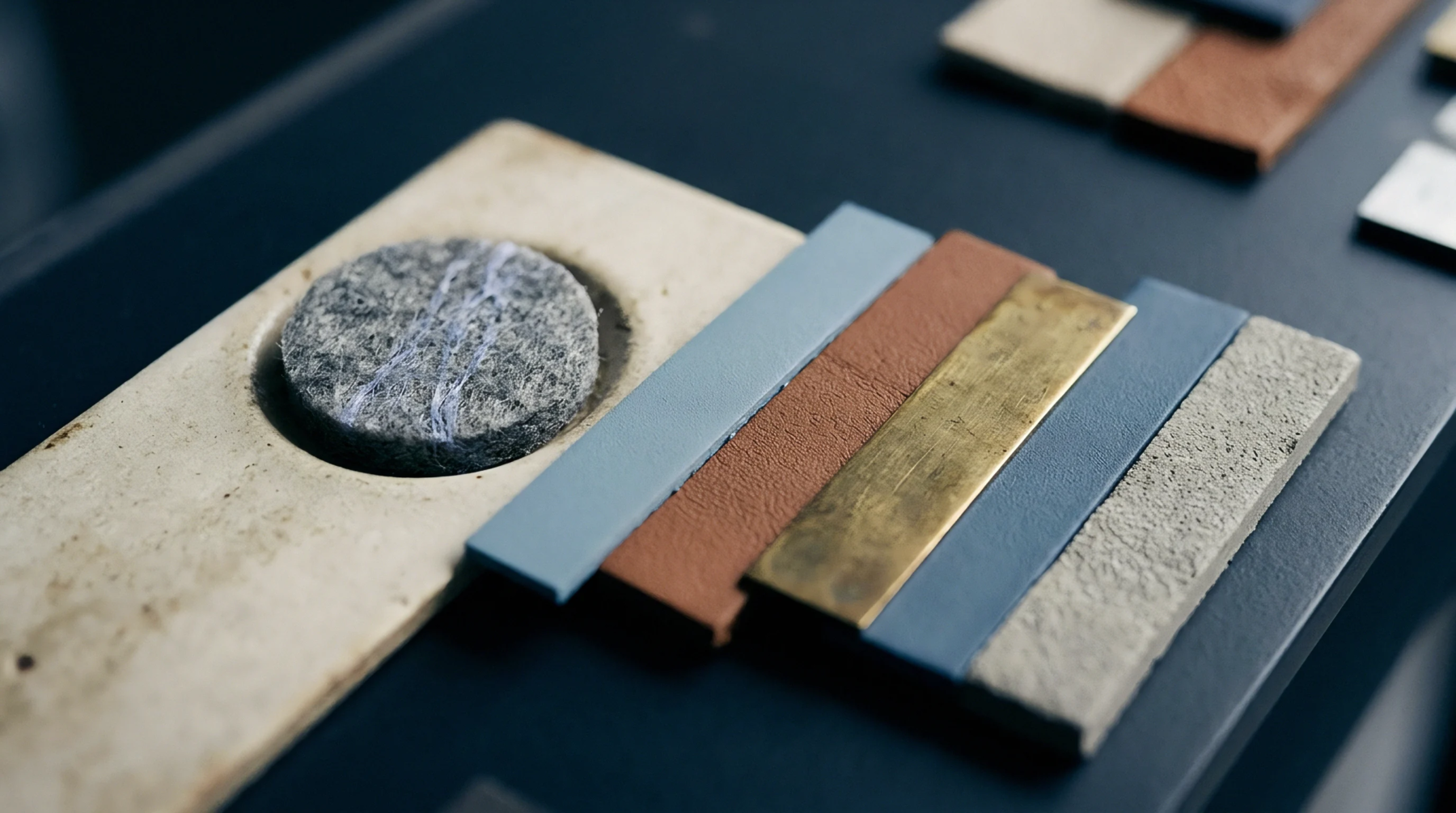
High voltage cathode stabilization requires conformal surface coatings and fluorinated additives to prevent phase conversion and ensure transport regulatory compliance.

High-voltage cathode surface phase reconstruction converts layered lattices into resistive rock-salt layers, requiring surface doping and fluorinated electrolyte additives to secure long-term cell capacity and safety compliance.

High nickel cathode calendar aging stems from surface oxide reduction and parasitic electrolyte oxidation, requiring strict SOC derating below forty percent.

Recycled cathode precursors match virgin cell performance when hydrometallurgical refining limits trace iron and copper contaminants below 10 and 5 ppm respectively.
Expertise is a utility, not a secret. sentiention™ publishes its working knowledge as open reference: intelligence layer covering the materials it sources, the markets it enters, and the reference that serves both.