Mechanical Clamping Compression Mechanics under Cyclic Lithium Cell Swelling
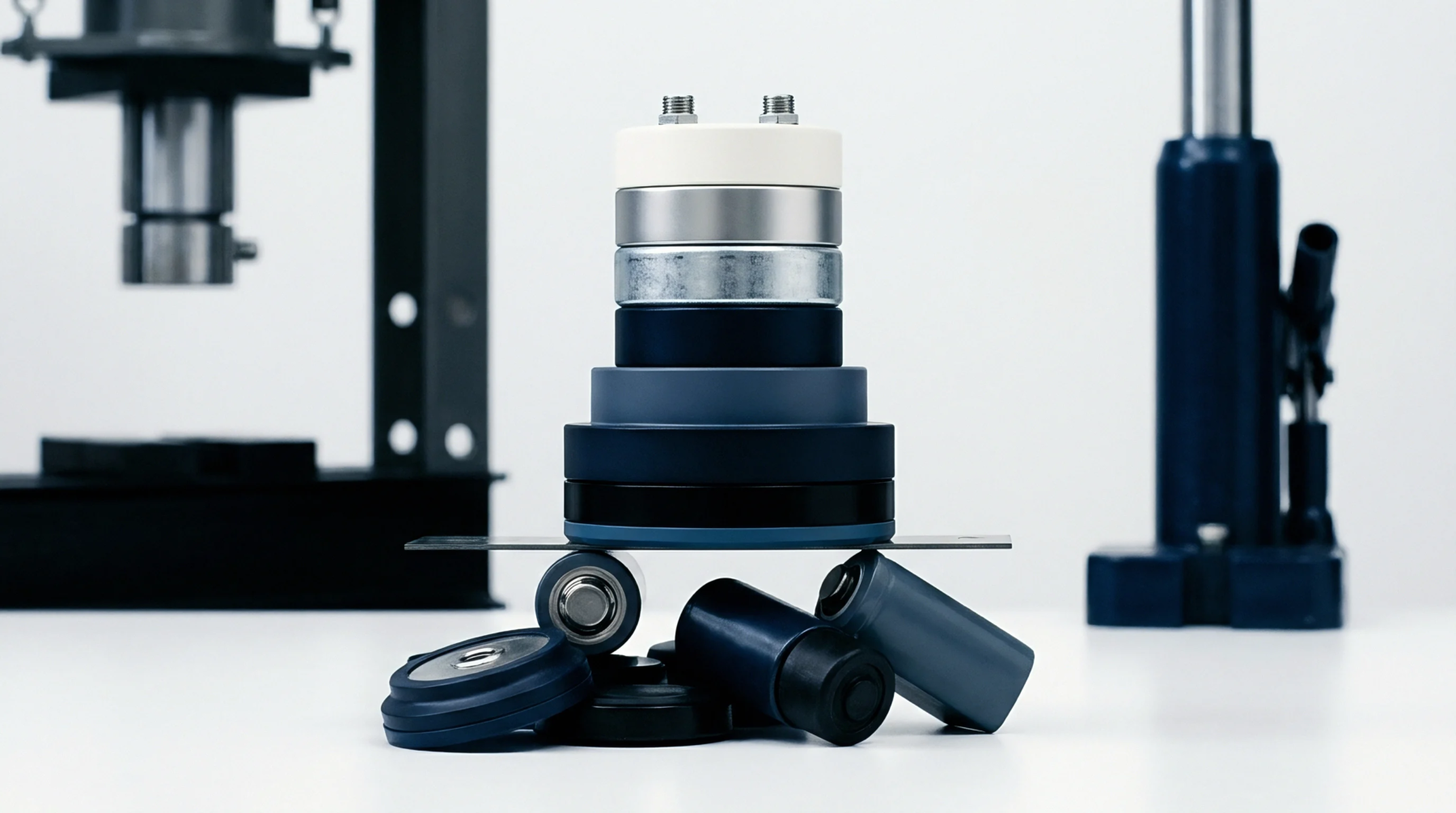
Controlled mechanical clamping combines rigid platen bracing with elastomeric cushions to constrain cyclic lithium cell swelling stress between 0.2 and 0.5 MPa.
Structural housings designed to bundle, restrain, and electrically isolate a grouped assembly of individual cells constitute the mechanical foundation of modular energy storage packs. The battery module enclosure provides positional stability against vibration during operation, provides channels for thermal interface materials or cooling plates, and establishes electrical clearance boundaries between cell terminals and external chassis ground. Boundary conditions for the component end at the mechanical and electrical interface connecting the module assembly to the pack level tray, excluding master battery management electronics, high voltage contactors, and exterior pack sealing lids.
Sourcing agreements define this assembly through mechanical drawings, alloy specifications, flammability ratings, and dielectric withstand thresholds. Structural integrity under dynamic loads governs qualification, while tolerance stackup across cell slots determines manufacturing yield during pack assembly.
Aluminum sheet stamping, extruded side rails, and die cast end plates dominate module structural assemblies because low mass and high thermal conductivity remain mandatory. Injection molded dielectric plastics, including polyphenylene ether blends and polybutylene terephthalate, line interior walls to prevent arc tracking between cell casings and structural metals. Precision machining of end plates ensures that compressive forces distribute evenly across cell faces when tension tie rods or exterior weld seams are secured.
Insulating covers snap over busbar networks to prevent dropped tools or debris from creating short circuits across cell groups. Module walls must also support internal ducting when direct liquid cooling or phase change materials sit between cells.
Dynamic acceleration profiles specified in standards such as UN 38.3 and ISO 12405 mandate that the battery module enclosure prevents cell dislocation under mechanical shock and sustained harmonic resonance. Compressive side bands or longitudinal tie rods maintain continuous contact pressure across pouch or prismatic cell groups to counter swelling across thousands of charge cycles. Tensile loads concentrated in structural fasteners must not yield under peak expansion forces generated at high states of charge.
Deflection in end plates causes non-uniform internal pressure distributions, which accelerates local lithium plating along outer cell margins. Laser welded joints along extruded seams undergo ultrasonic testing or dye penetrant inspection during series production to eliminate weld porosity that could split under fatigue.
Technical supply contracts treat module casings as precision structural parts where dimensional tolerance directly dictates automated assembly uptime. Extrusion wall thickness variations, raw aluminum temper designations like 6061-T6 versus 6063-T6, and powder coat dielectric breakdown voltage form primary line items in cell packaging tenders. Surface flatness on module baseplates determines the bondline thickness of thermal interface material, shifting pack heat rejection rates by measurable margins.
Defective anodization or pinholes in insulating films prompt immediate lot rejections because breakdown under dielectric withstand testing creates irreversible ground fault liabilities. Battery module enclosure specifications dictate both cell life retention through pressure maintenance and system safety margins under mechanical crash loads.
Controlled mechanical clamping combines rigid platen bracing with elastomeric cushions to constrain cyclic lithium cell swelling stress between 0.2 and 0.5 MPa.
Expertise is a utility, not a secret. sentiention™ publishes its working knowledge as open reference: intelligence layer covering the materials it sources, the markets it enters, and the reference that serves both.