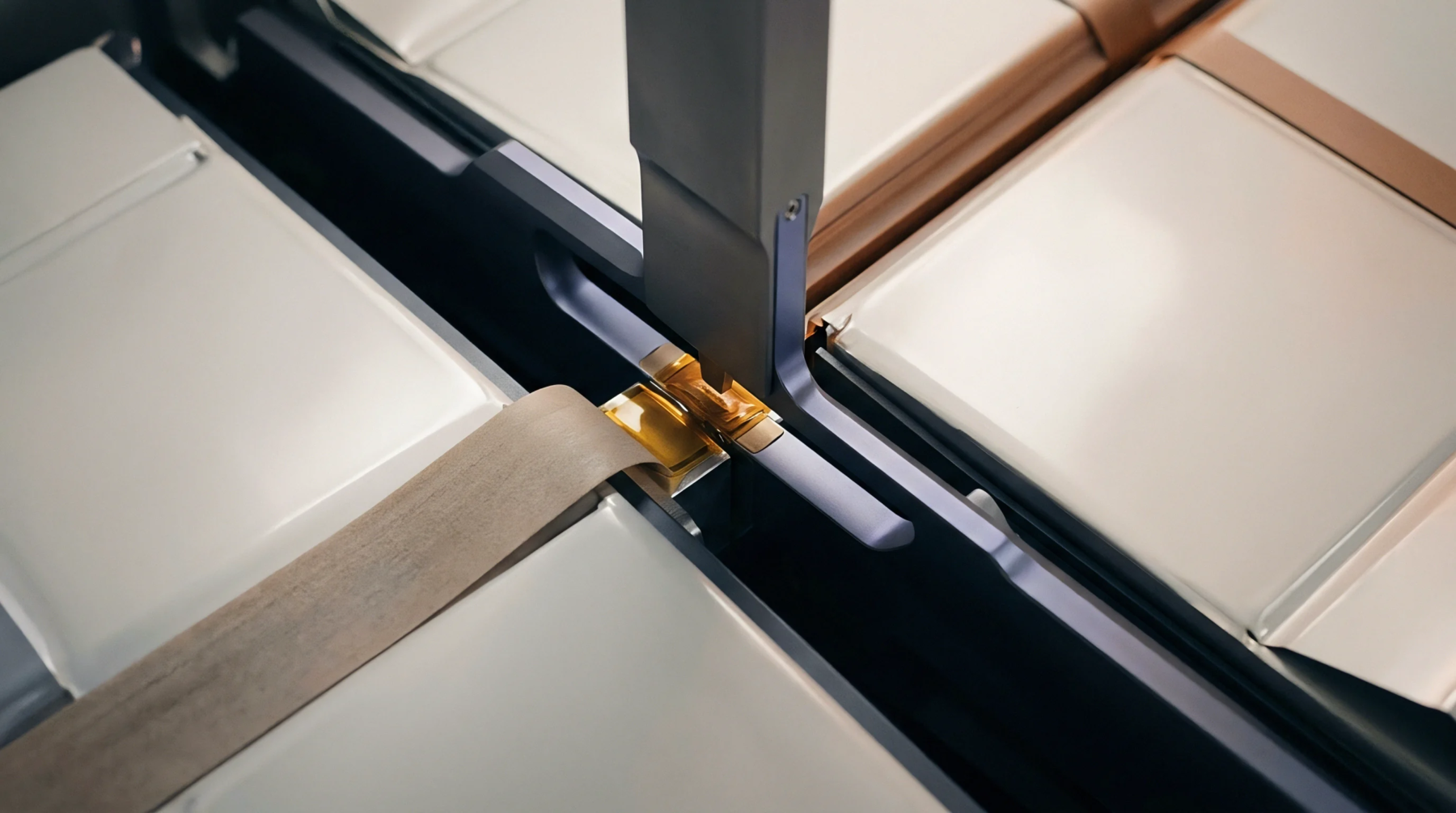
Subzero Charge Acceptance Baseline Limits in Prismatic Commercial Cells
Prismatic cell subzero charge acceptance requires strict current derating below zero degrees Celsius to prevent irreversible metallic lithium plating.
Prismatic cell subzero charge acceptance requires strict current derating below zero degrees Celsius to prevent irreversible metallic lithium plating.
Planar cooling gradients split local current density, driving lithium plating at cold cell margins and rapid electrolyte consumption in warm regions.
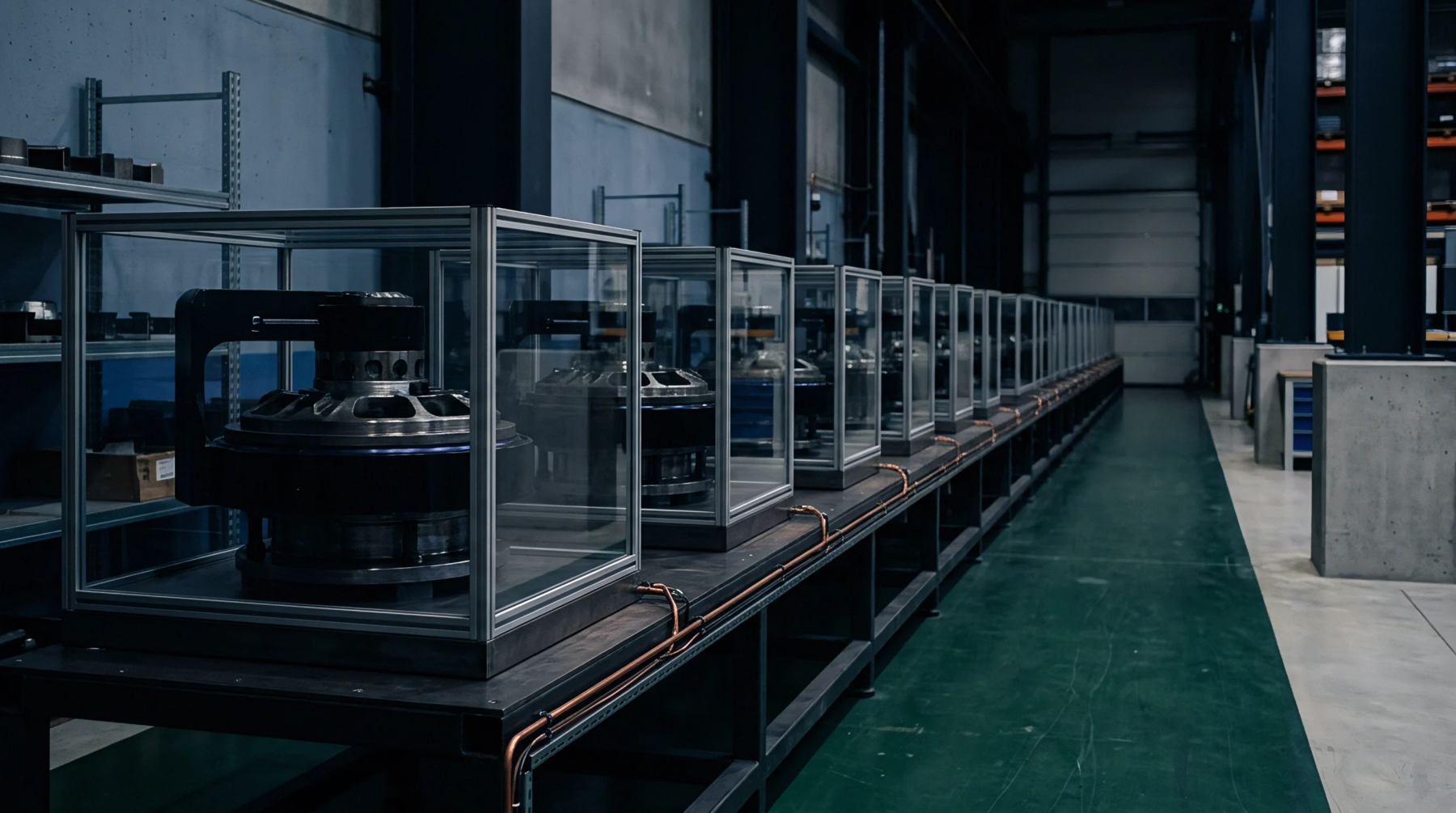
Maintaining active spring load above zero point three megapascals prevents localized pressure drop and anode lithium plating in oversized prismatic cells over extended service life.
Contractual risk transfer for battery logistics requires strict UN 38.3 documentation covenants, state-of-charge limits, and un-capped seller indemnities.

Local overpotential gradients drive localized anode plating in high-capacity prismatic cells, requiring edge-welded tab designs and precise voltage margins.

Prismatic cell initial mechanical preload limits must balance interfacial contact impedance suppression at 0.15 to 0.35 MPa against EOL structural frame stress.

Iron contamination in stored prismatic cells dissolves in acidic electrolyte and nucleates anode dendrites, requiring strict K-value screening to prevent micro-shorts.
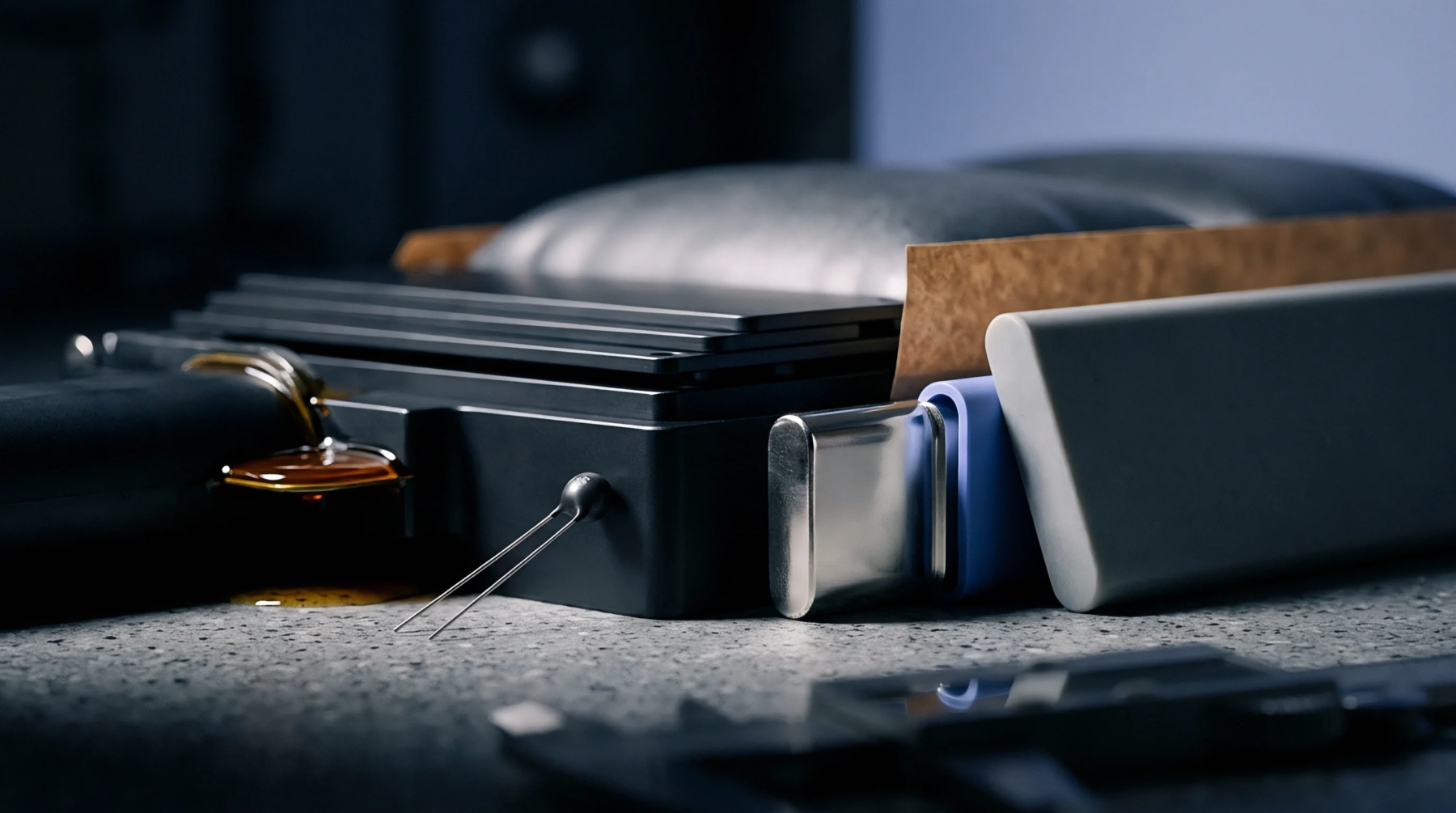
Prismatic pack reliability hinges on balancing cell expansion pre-charge with non-linear pads to maintain thermal contact without exceeding end-plate yield limits.

Standardized cold weather thermal protocols prevent subzero lithium plating by aligning chamber soak times, charge derating, and impedance verification.
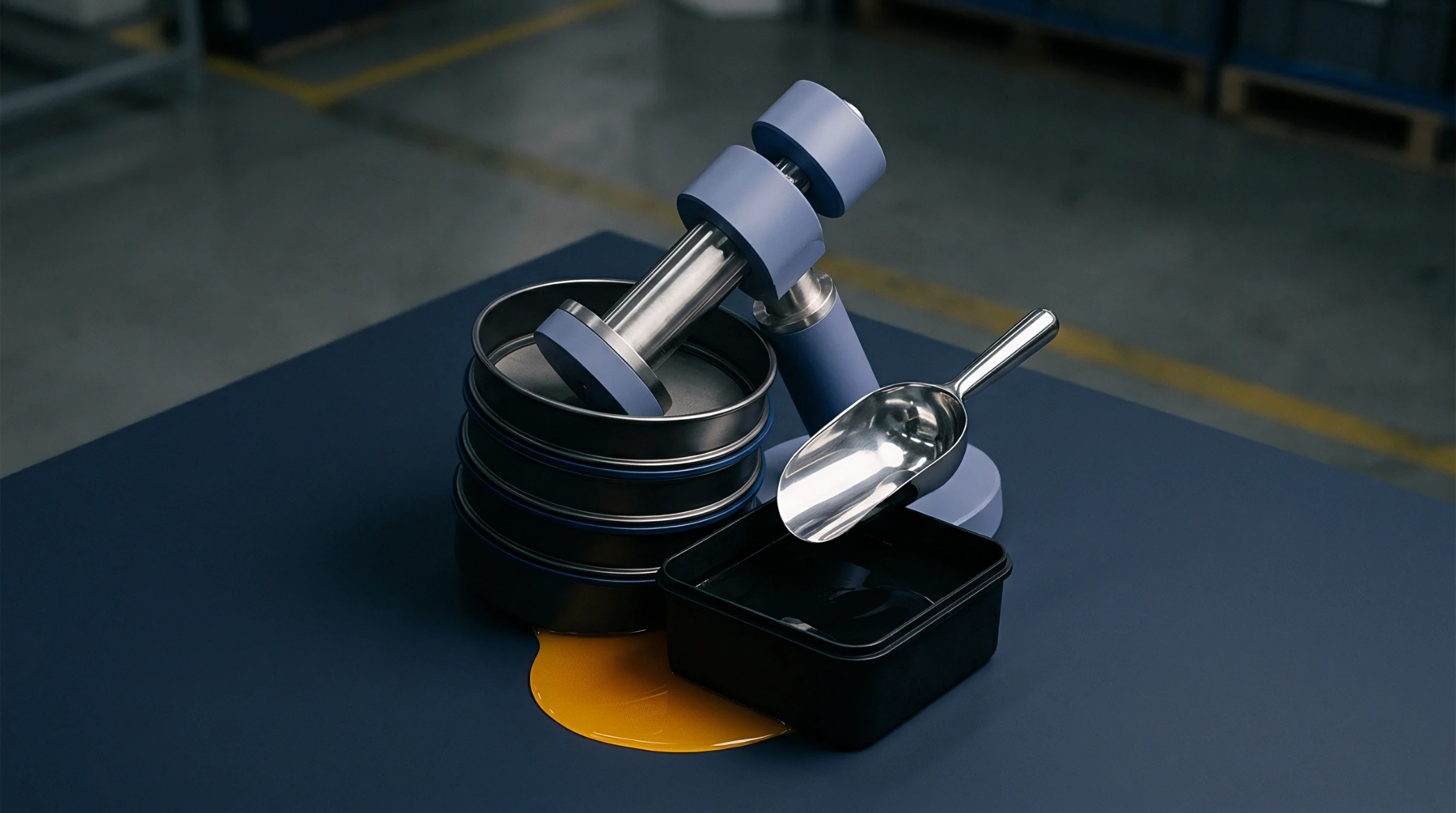
Enforce zero-acceptance sampling plans and 48-hour thermal soak protocols on imported prismatic cell lots to prevent non-conforming units from entering pack production lines.

Structure custom pack sourcing by retaining mechanical IP and UN 38.3 file ownership while negotiating cell-direct contract manufacturing terms.
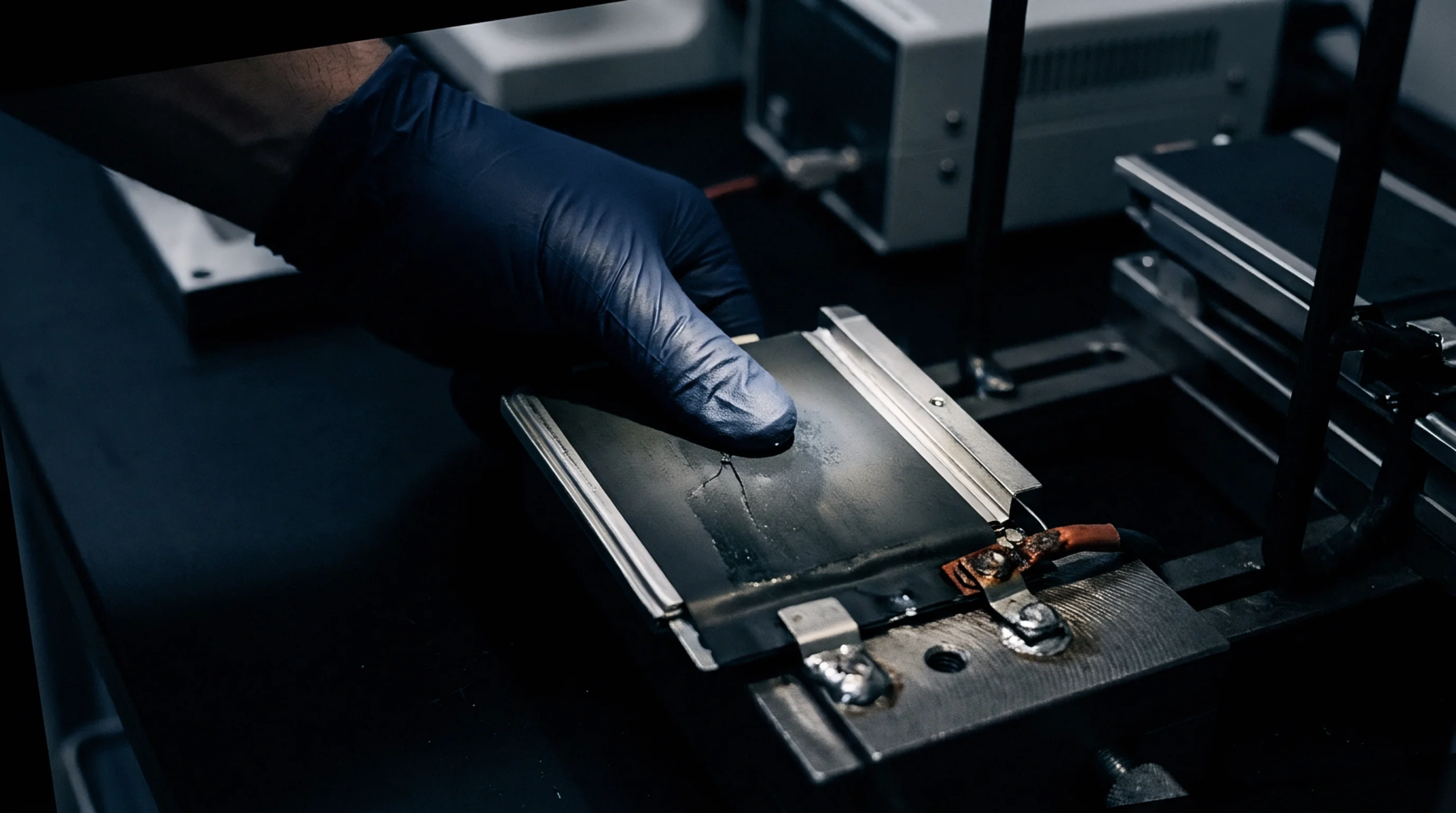
Spatial thermal gradients smearing dQ/dV curves break zero-dimensional degradation models, requiring localized thermal correction to isolate true active lithium loss.

Engineering rigid module compression plates with calibrated elastomeric pads controls prismatic cell swelling, prevents separator crushing, and preserves warranty compliance.
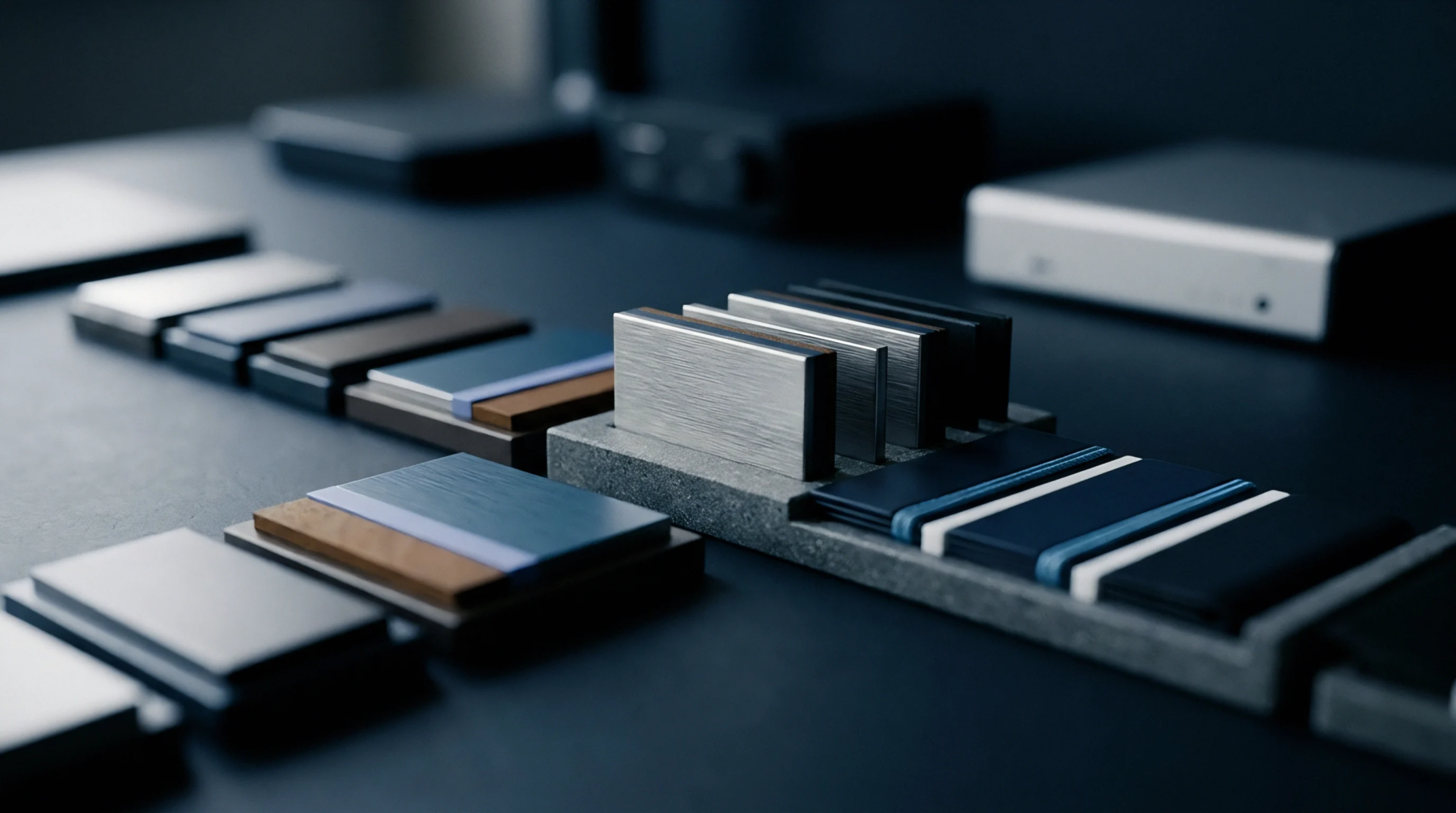
Datasheet cycle life claims overestimate real field performance by up to 45 percent under uncompressed thermal dynamic stress envelopes.
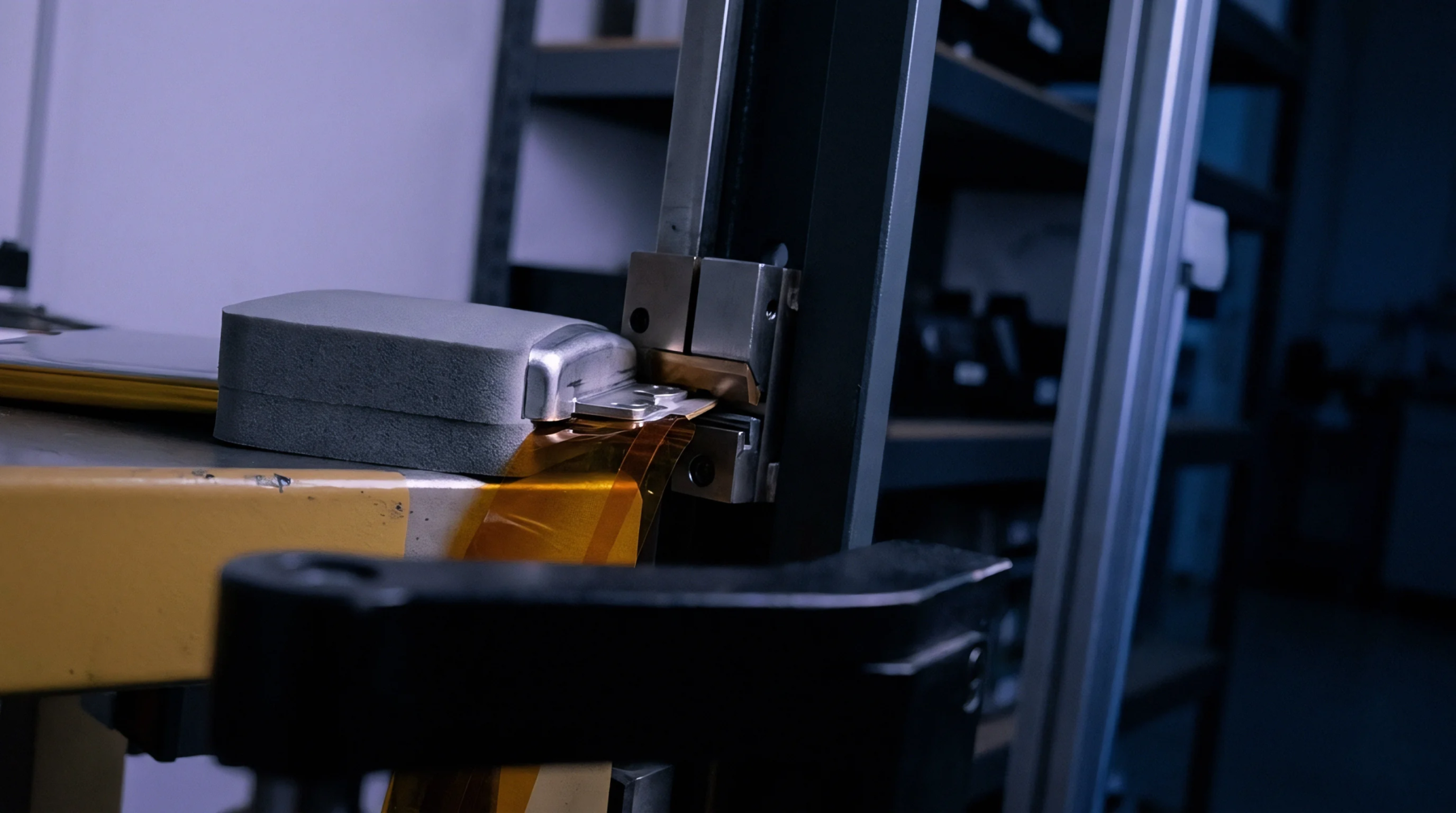
Fix format, compression pads, NRE tooling costs, and BMS regulatory boundaries before signing supply contracts to avoid costly re-tooling and unhedged liability.
Expertise is a utility, not a secret. sentiention™ publishes its working knowledge as open reference: intelligence layer covering the materials it sources, the markets it enters, and the reference that serves both.