Meaning
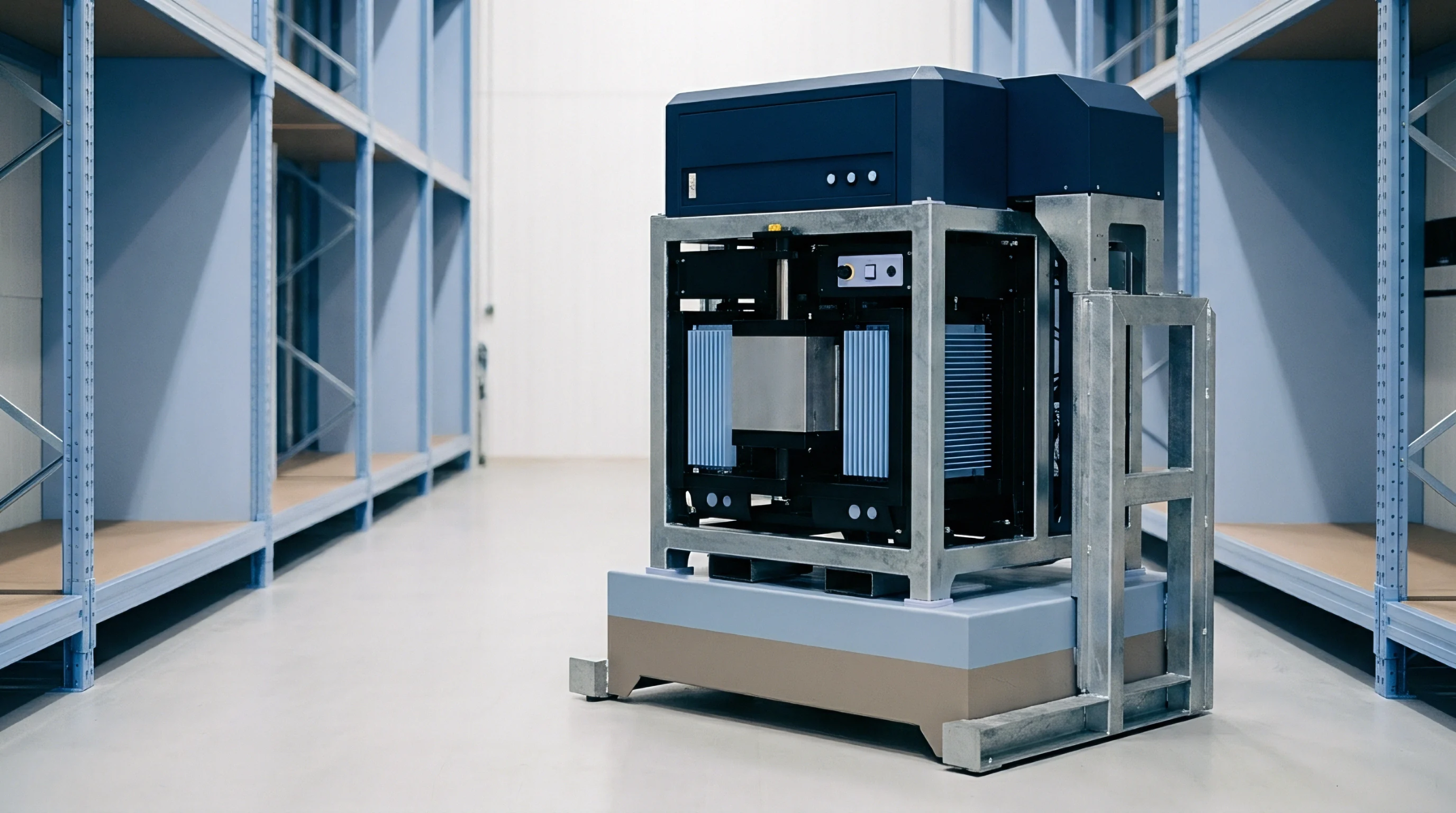
Hardware fixtures and mechanical positioning assemblies secure cylindrical or prismatic cells during high amperage charge and discharge cycles, and battery test tooling provides the rigid physical constraint necessary to prevent electrode displacement under rapid thermal expansion. Mechanical clamping pressure replicates actual module or pack compression limits while electrical busbar connections feed current to the terminals. Operational boundaries extend from low current room temperature cycling up to destructive overcharge containment within blast chambers, but the assembly excludes thermal chamber refrigeration units and datalogger software.
Fixture Design
Engineers calculate expected expansion forces during lithiation to dimension aluminum or steel plates against permanent deformation. Pressure distribution pads distribute force evenly across cell faces to avoid localized microcracking in ceramic separators. Fasteners employ calibrated torque specifications or hydraulic rams to maintain constant mechanical preload throughout prolonged cycling schedules.
Thermal Management
High rate cycling generates substantial internal joule heating that requires active cooling channels integrated directly into the clamping plates. Coolant fluid circulation loops maintain cell skin temperatures within predefined operating envelopes during aggressive pulse testing protocols. Thermal interface materials fill microscopic gaps between cell casings and cooling blocks to minimize contact resistance.
Commercial Procurement
Purchasing managers evaluate fixture durability against millions of insertion cycles and corrosive electrolyte exposure before committing capital to production line equipment. Custom machined frames add significant expense compared to modular adjustable alternatives, yet modular versions often introduce compliance errors during high vibration testing. Tooling vendors supply test houses with certified calibration reports verifying load cell accuracy and parallelism tolerances prior to factory acceptance.