Meaning
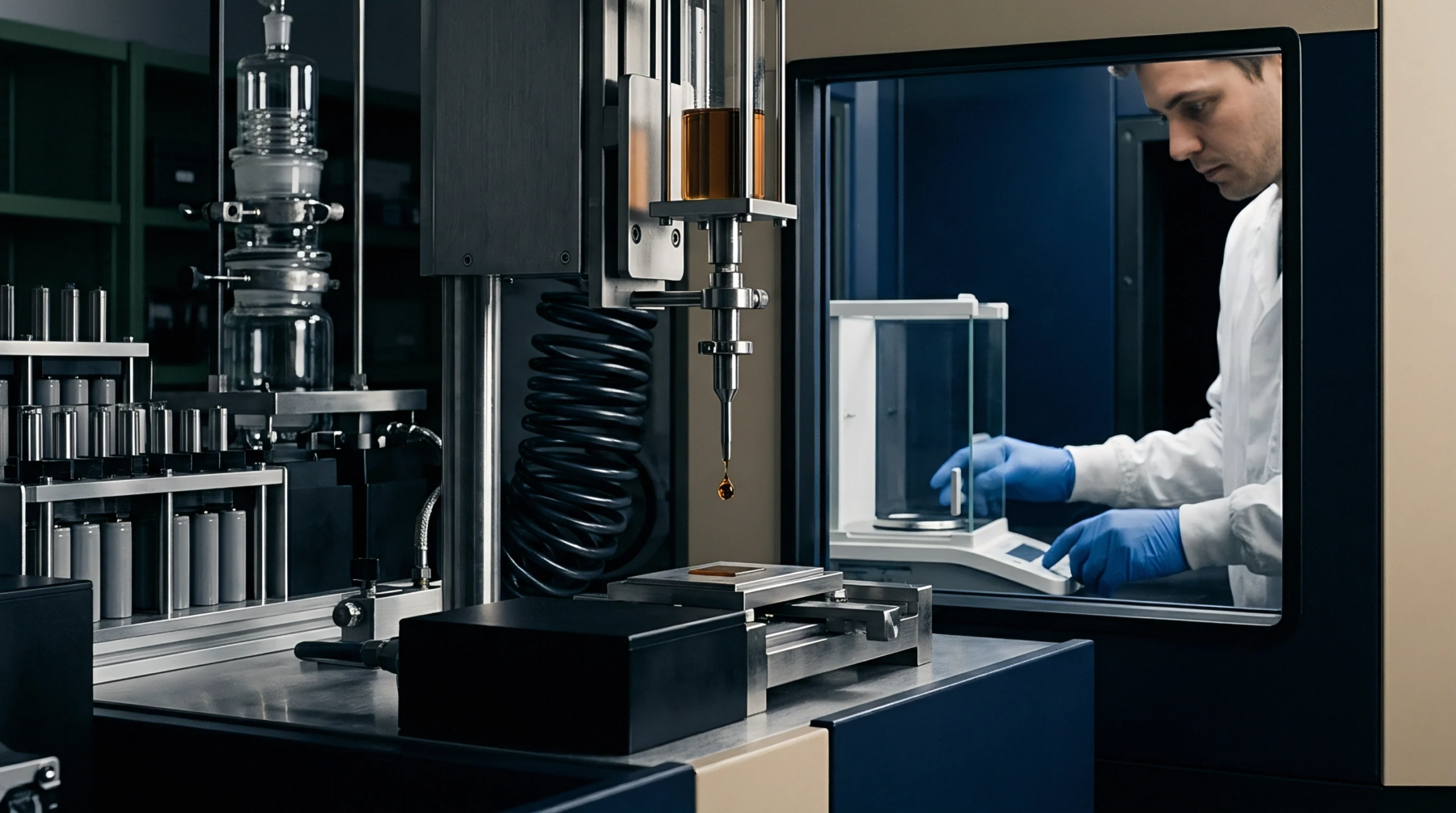
Physical expansion occurs when polymer separator membranes absorb organic liquid components from a battery electrolyte. Carbonate solvent swelling describes the dimensional change of a material when submerged in fluids such as ethylene carbonate or dimethyl carbonate. This phenomenon terminates when the osmotic pressure of the solvent is balanced by the elastic retraction of the polymer chains.
Equilibrium is typically reached within several hours of immersion at room temperature.
Material Expansion
Volumetric increase depends on the compatibility between the polymer matrix and the electrolyte chemistry. While some carbonate solvent swelling is necessary to ensure electrolyte wetting, excessive growth leads to the closure of pores. High levels of expansion often result in a reduction of ionic conductivity.
Structural Integrity
Mechanical tension within the cell stack increases when the separator pushes against the rigid electrode layers. If carbonate solvent swelling is not accounted for during the winding or stacking process, the internal pressure can damage the housing.
Performance Impact
Cyclic stability is affected by the permanence of the dimensional changes during the life of the battery. Measurement of carbonate solvent swelling involves measuring the thickness of a dry sample and comparing it to the thickness after a set immersion period at a specific temperature. Stable materials show minimal variation between subsequent soak tests.
Precise control of this expansion is required to prevent the deformation of the internal cell architecture.