Meaning
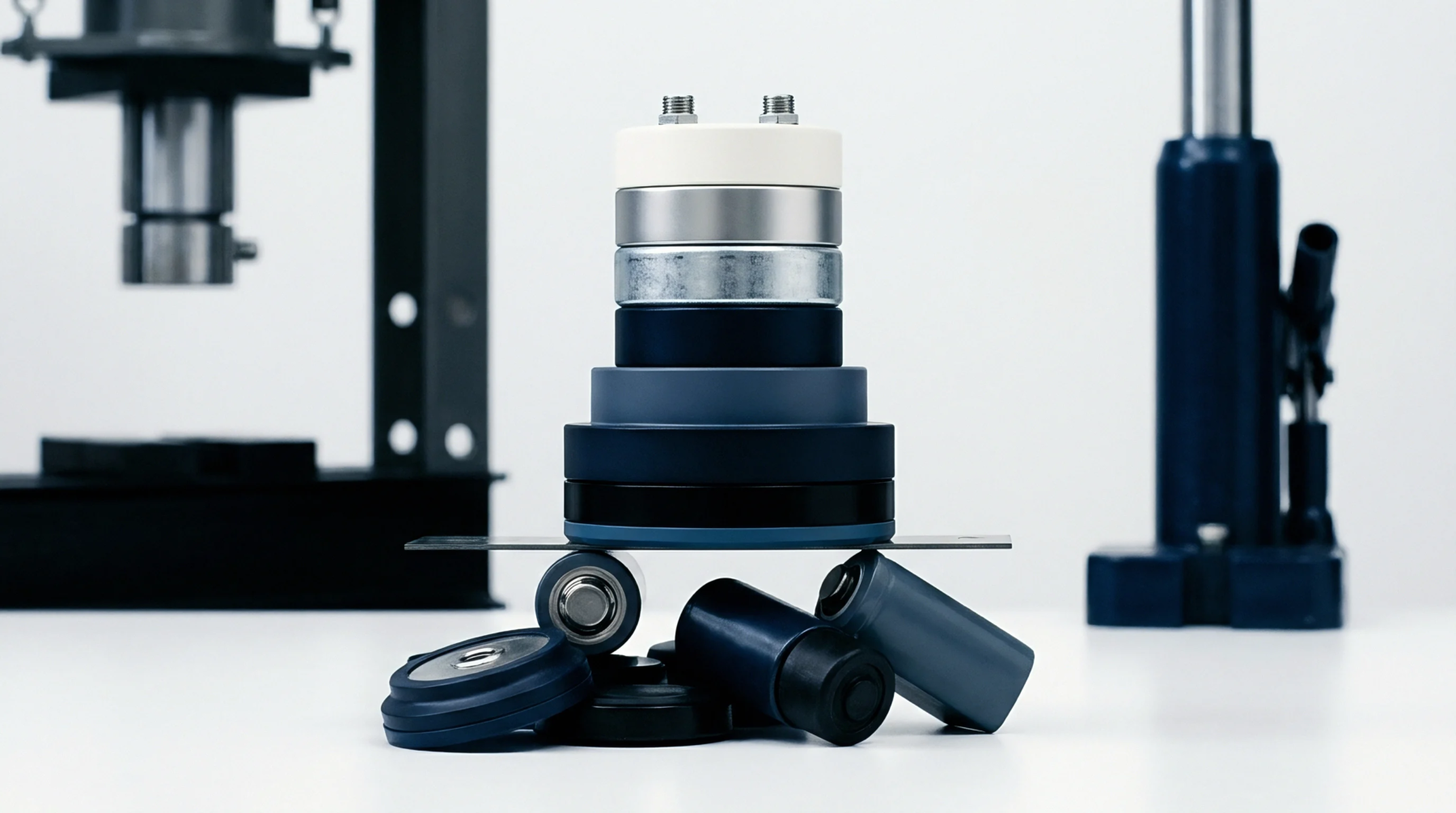
Physical compression force applied to the layers of an energy storage unit to ensure optimal contact between electrodes and the electrolytic separator. Uniform cell stack pressure prevents the formation of dead spots where ions cannot travel effectively across the gap during charging intervals. This measurement is localized to the active area inside the cell and does not include the clamping force of the external pack frame.
Engineering targets for this metric depend on the chemistry type because some materials expand significantly more than others during use. Measuring tools utilize thin film sensors to verify that the loading remains consistent across the entire geometric surface of the plates. Controlled pressure inhibits the growth of lithium dendrites that can lead to internal short circuits and eventual thermal failure.
Interface Optimization
Maintaining consistent contact between the active materials and the current collector foil lowers the total internal resistance of the battery assembly. Regulated cell stack pressure enables the efficient flow of ions which supports higher power discharge rates required for electric drivetrain acceleration. If the force is too low, gaps appear that cause uneven current density and accelerate localized chemical degradation over time.
Conversely excessive loading will crush the separator pores which restricts the physical passage of the liquid electrolyte during cycles. Designers use springs or foam pads to maintain force within the recommended safe operating window across varying states of charge. Careful engineering in this area balance electrical performance against the physical longevity of the internal polymer separators.
Expansion Management
Breathing of the cell occurs as lithium ions migrate into the anode lattice and cause a measurable increase in the physical thickness of the unit. Inside cell stack pressure management the housing must accommodate this swelling without allowing stresses to exceed the structural limits of the enclosure. Bolted plates often rely on tensioning sequences that account for the maximum possible expansion at the end of the cell life cycle.
Silicone mats or polyurethane buffers compress as the battery grows to keep the external pressure relatively constant throughout the year. Monitoring this shift provides insights into the health of the chemistry as excessive expansion indicates irreversible gas generation or interface thickening. Engineers adjust the housing stiffness to ensure that peak growth does not compromise neighboring sensors or mechanical connections.
Manufacturing Controls
Precision assembly stations apply defined torque values or linear displacement limits to the end plates during the initial pack compression phase. Inaccurate cell stack pressure results in modules that show divergent behavior during high current testing because of interface variation between cells. Automated sensors verify the applied force in real time to prevent the distribution of units with inadequate internal contact.
Periodic calibration of the pressing tools ensures that wear on the machinery does not drift beyond the allowable tolerance limits set by the engineers. Quality checks include measuring the resting thickness of the stack under load to identify units with internal structural inconsistencies. Reliable consistency across thousands of manufactured blocks depends on the stability of this pressing process during long shifts.