Meaning
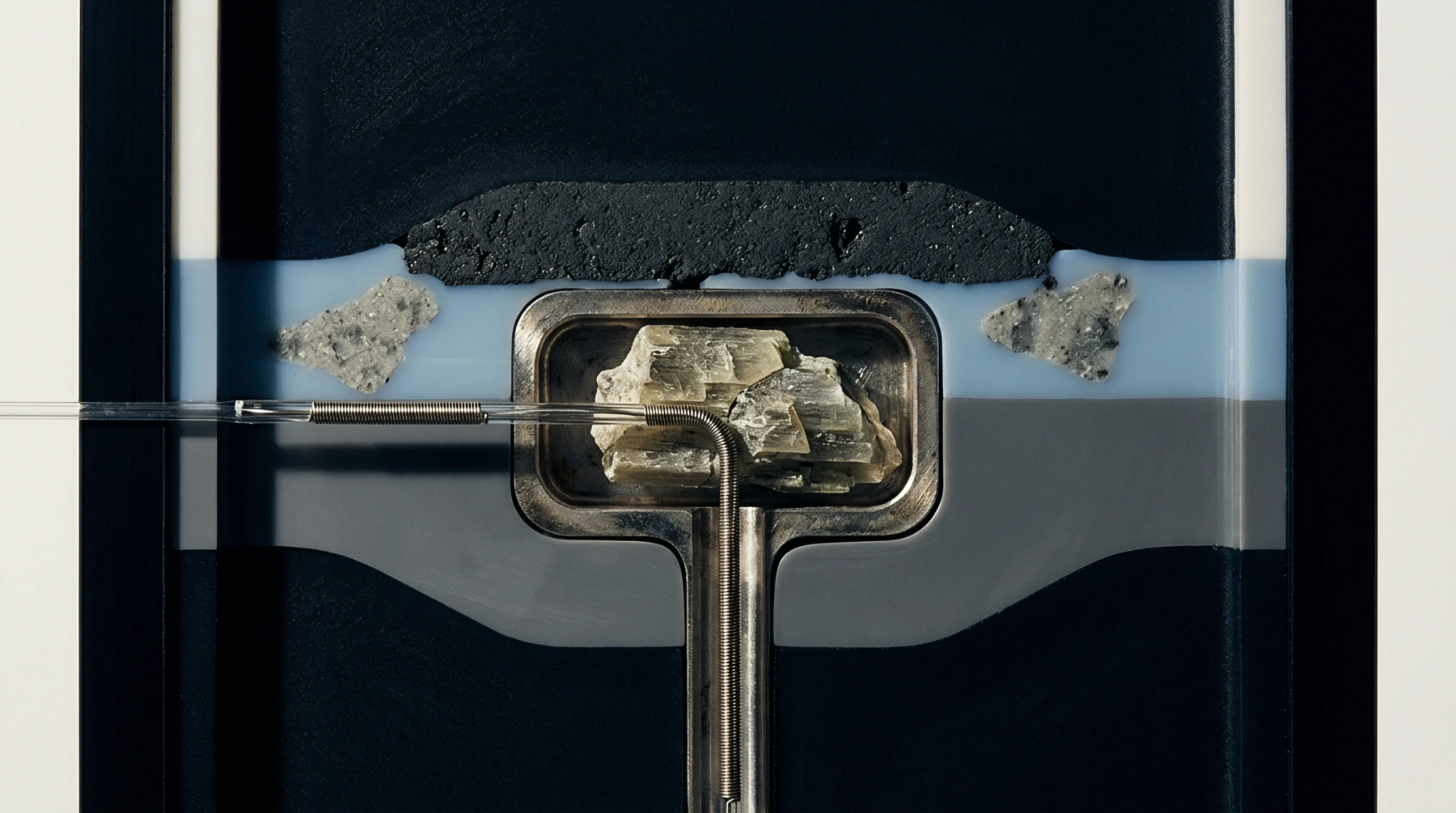
Radiographic imaging methodology that reconstructs cross sectional planes from numerous X ray attenuation measurements taken at various angles around an object. Computed tomography operates by rotating a radiation source and detector array continuously around the target while numerical algorithms process the gathered projection data into distinct volumetric slices. This diagnostic technique measures linear attenuation coefficients across internal structures to resolve millimeter scale anomalies hidden beneath outer housings.
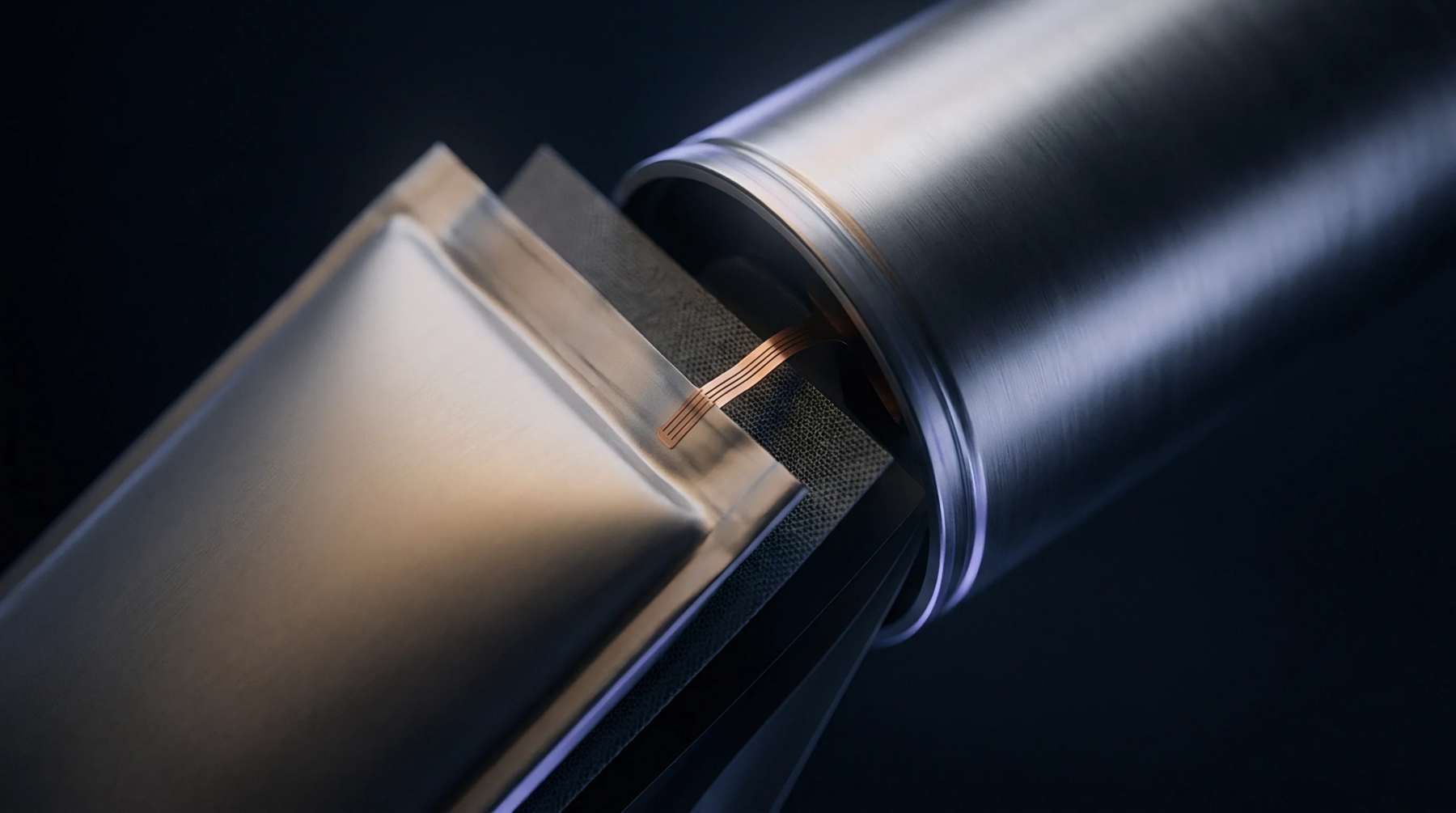
Industrial testing facilities apply computed tomography to evaluate electrode stacking precision, internal porosity distributions and separator integrity within finished lithium ion battery cells before final customer delivery. The procedure halts when radiation penetration proves insufficient for dense metallic current collectors or thick housing walls.
Ray Projection
Source detector assemblies traverse a circular trajectory while firing ionizing radiation pulses through the test article onto opposing digital sensors. Mathematical inversion procedures convert the resulting attenuation profiles into spatial density maps by solving simultaneous linear equations derived from the projection geometry. Reconstruction algorithms translate raw intensity drops into distinct voxel values corresponding to physical material properties inside the sealed enclosure.
Voltages applied to the X ray tube determine beam hardening corrections required for accurate density reconstruction across mixed material assemblies. Detector calibration routines remove baseline sensor drift prior to data acquisition runs.
Slice Reconstruction
Digital filtering procedures sharpen projection profiles before back projection algorithms deposit the attenuation data across the image matrix. Frequency domain transformations suppress star artifacts generated during standard back projection steps to produce crisp boundary definitions. Spatial resolution depends directly on focal spot dimensions, detector pixel pitch and rotational sampling frequency during the scan sequence.
Operator workstation software stacks individual planar slices into three dimensional volumetric models for detailed spatial interrogation. Artifact suppression filters eliminate photon starvation streaks originating from thick terminal connections or dense copper foils.
Defect Detection
Internal inspection protocols identify electrode delamination, foreign particle inclusion and current collector tab deformation inside assembled battery units. Automated defect recognition software analyzes voxel density variations against predetermined acceptance criteria to flag structural nonconformities. Dimensional metrology algorithms measure internal spacing parameters without requiring destructive physical sectioning of the test article.
Manufacturing lines rely on these volumetric datasets to verify separator positioning relative to adjacent anode and cathode layers. Industrial computed tomography systems dictate quality acceptance thresholds for high reliability energy storage deployments.