Meaning
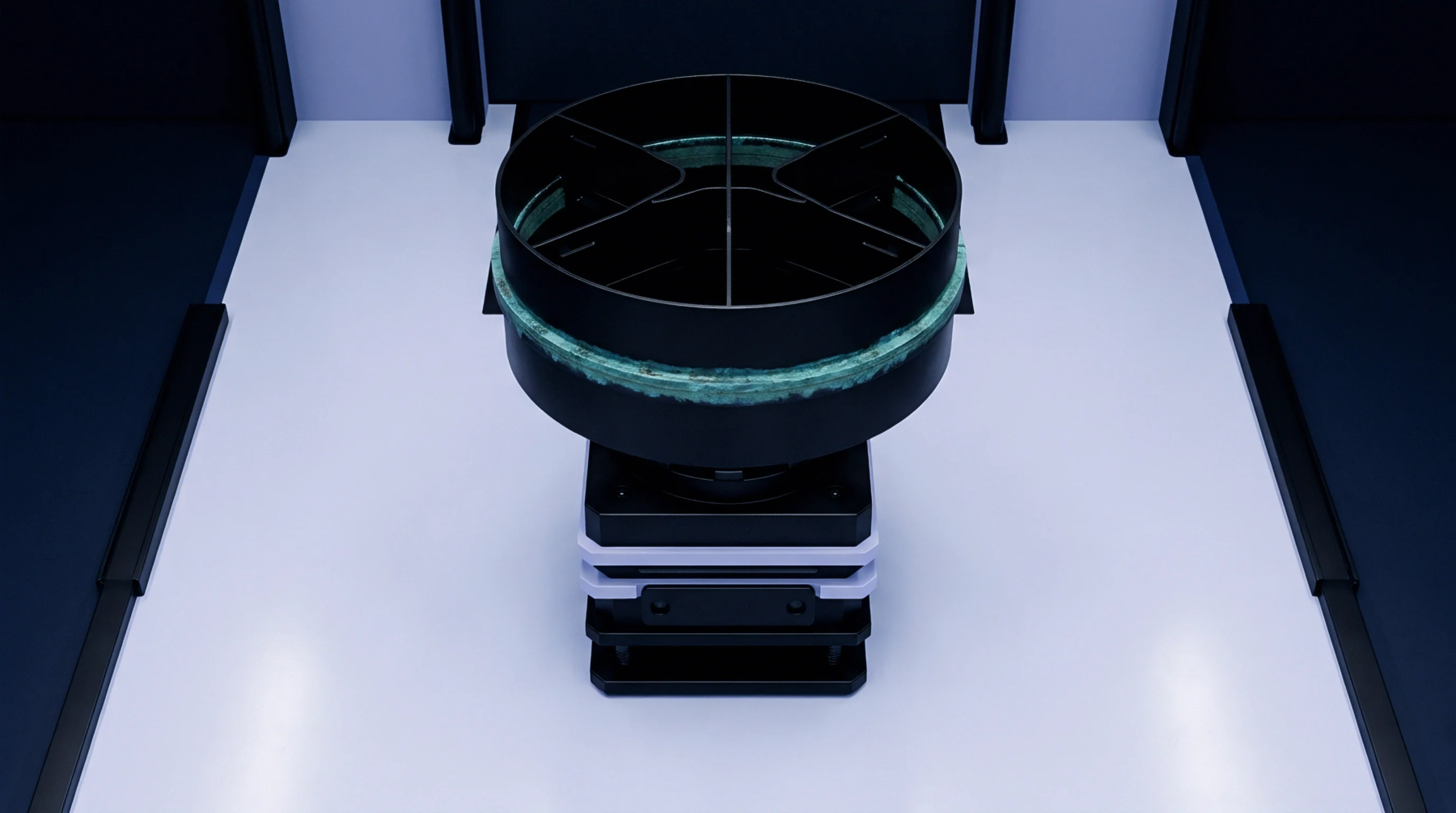
Mechanical deformation of the gasket and metal folds over time causes a gradual loss of the airtight seal that protects the internal battery chemistry from ambient moisture. The slow process of crimp seal creep manifests as a thinning of the sealing interface under the constant pressure of the metal housing. It governs the shelf life of consumer batteries and stops applying when the pressure equilibrium is lost and active electrolyte escape begins.
Understanding this change is vital for manufacturers who target long term storage applications in grid energy or military hardware. Small shifts in the polymer structure eventually create pathways for gas molecules to traverse.
Polymer Deformation
Gaskets used in cylindrical cells undergo molecular alignment changes when subjected to consistent clamping forces. Through crimp seal creep, the height of the seal decreases while the width expands until the compression force drops below the minimum threshold. If the environmental temperature fluctuates, the expansion and contraction accelerate this structural shift.
Once the pressure hits a lower bound, the risk of moisture ingress increases drastically. Maintaining a specific initial torque during assembly helps extend the duration before leakage occurs.
Storage Consequence
Long term inventory typically shows a decay in capacity that correlates with the failure of mechanical barriers. When crimp seal creep reaches a critical stage, oxygen enters the cell and begins to oxidize the anode terminal or the lithium salts. This chemical degradation is irreversible and reduces the available energy for the end user.
Testing intervals measure the gap between the crimped metal to detect early signs of widening. If seals show significant movement, the batch is categorized for immediate use or recycling.
Reliability Limit
Predicting the time to failure relies on mathematical models that simulate the aging of rubber and plastic components. Because crimp seal creep is influenced by chemical compatibility, the specific electrolyte blend must not degrade the seal material itself. Every new polymer formulation is evaluated in a press to see how quickly it yields under stress.
These tests verify the ten year durability claims made by premium battery suppliers. Constant monitoring of these mechanical tolerances during production reduces the probability of premature field failures.