Meaning
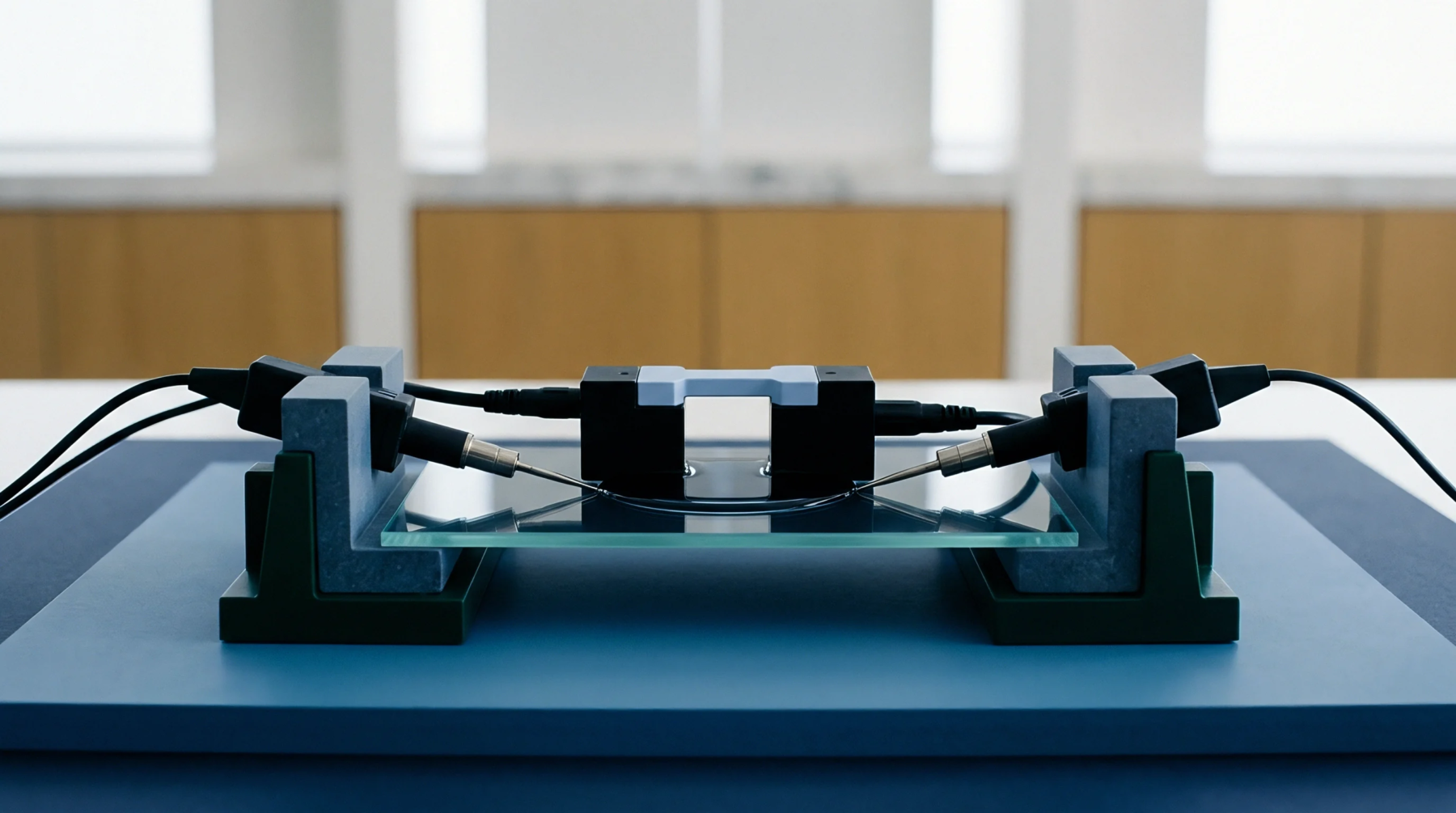
Electrochemical degradation involves the isolation of lithium fragments from the conductive path inside a battery cell during cycling. When dead lithium formation occurs, these metallic pieces no longer contribute to the reversible capacity because they are physically and electrically detached from the electrode. It represents one of the main drivers of permanent capacity loss and the rise of internal resistance over time.
This phenomenon converts active material into inert waste that simply occupies volume without holding a charge.
Structural Detachment
Cycle life drops as small sections of plated lithium break off during the expansion and contraction of the anode. Because dead lithium formation is often triggered by fast charging at low temperatures, management systems are designed to limit current when internal mobility is reduced. The process begins at the surface where thin layers of solid electrolyte interphase trap the metal.
Over repeated movements, these layers grow and solidify into a barrier that blocks electron travel.
Capacity Fade
Energy density decreases proportionally to the amount of material that exits the working system. Since dead lithium formation consumes electrolyte as it forms new resistive shells around each island, the cell eventually dries out internally. This state leads to localized hotspots where the current is forced through a smaller effective surface area.
Monitoring equipment detects this by looking for unexpected shifts in the voltage curve and high frequency impedance measurements.
Prevention Strategy
Coating techniques and pressure management help maintain the physical contact between the particles and the collective current grid. If dead lithium formation is identified early, adjustments to the discharge depth can extend the remaining useful life of the module. High surface area cathodes require balanced anode volumes to ensure all ions have a destination.
Once a lithium island is completely surrounded by insulation, it cannot be recovered by normal electrical means. Control algorithms prioritize soft transitions to avoid the mechanical stresses that create these islands.