Meaning
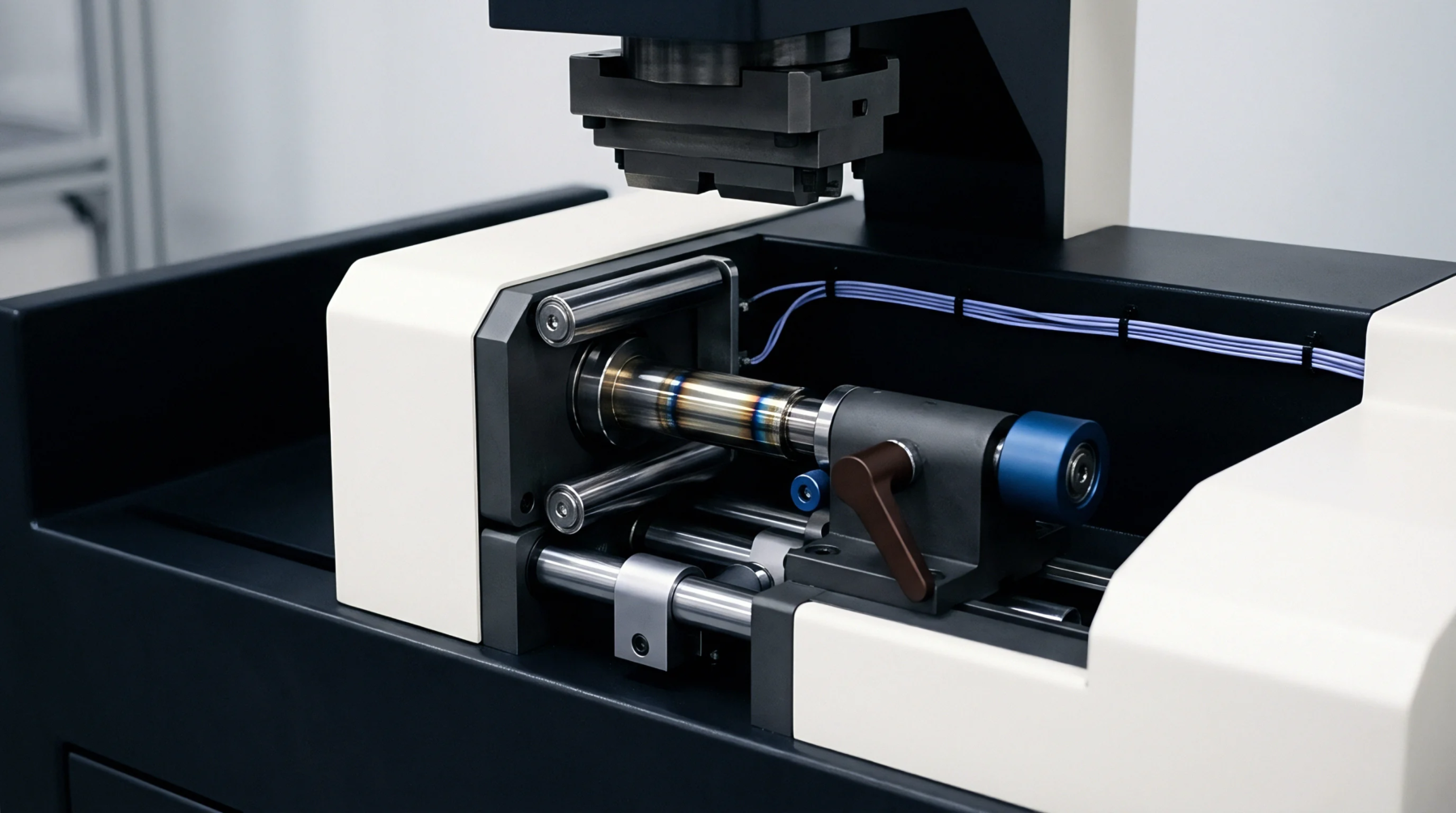
Mathematical forecasting of the operational duration of a mechanical or electrochemical system involves analyzing repeated stress cycles. Effective fatigue life prediction identifies the point where cumulative damage leads to the initiation of a crack or functional breakdown. Engineers use this value to set maintenance intervals and warranty periods for battery modules and structural enclosures.
The calculation relies on empirical data derived from stress versus cycle curves.
Analytical Method
Algorithms often integrate linear damage accumulation theories like Palmgren Miner to assess total wear. During fatigue life prediction, the software compares the expected load profile against the endurance limit of the material. Metals often exhibit a threshold below which no damage occurs.
Polymers and composites used in battery frames follow different degradation paths.
Operating Condition
Fluctuations in temperature measurably alter the accuracy of these forecasts by changing the ductility of the material. High heat accelerates the growth of microcracks and reduces the number of cycles a part can endure. Vibration during transport adds high frequency loads that must be superimposed on the primary thermal cycles.
These variables make the model sensitive to real world usage patterns.
Design Utility
Sourcing decisions for busbars and connectors rely on these projections to ensure safety. Reliability increases when the predicted limit exceeds the intended service life by a factor of two.