Meaning
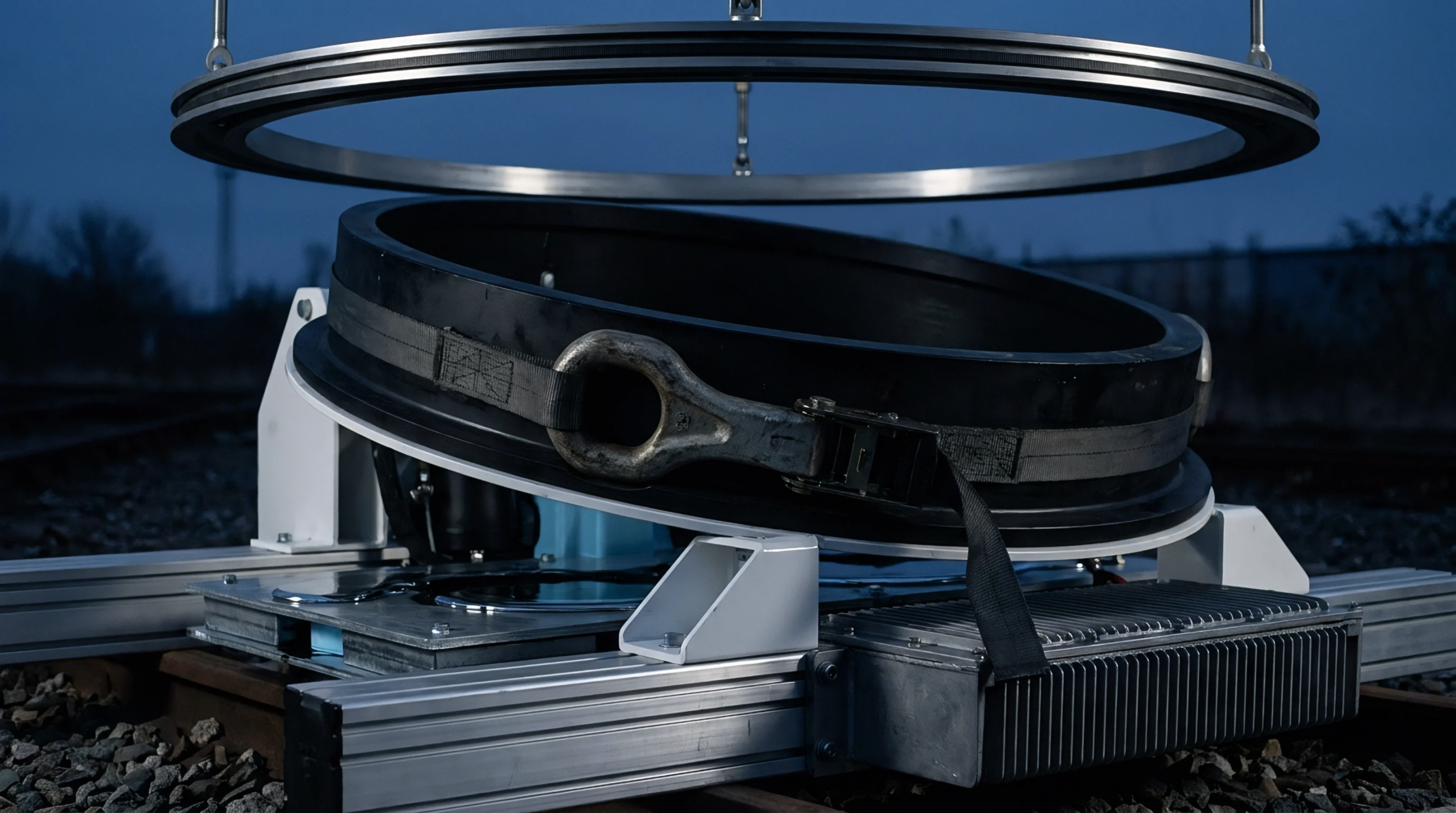
Industrial equipment designed for the rapid electrical evaluation of multiple battery cells allows for efficient quality control in high-volume manufacturing. A high throughput test fixture uses automated contacts and parallel processing to measure the capacity and resistance of hundreds of units simultaneously. This capability is necessary to keep up with the output of a modern gigafactory.
Mechanical Capacity
Structural design of the testing unit must accommodate the specific dimensions of the cells while ensuring a reliable electrical connection. In a high throughput test fixture, the pneumatic or hydraulic systems press the probes onto the terminals with a consistent force. This automation replaces the manual loading of cells, which reduces the time required for each test cycle and minimizes human error.
Efficiency Gain
Processing speed is improved by using multi-channel cyclers that can run independent test profiles on each cell. Because the high throughput test fixture is integrated into the production line, it can identify defective units almost immediately. This rapid feedback allows engineers to adjust the manufacturing process before a large number of bad cells are produced.
Automation Interface
Communication between the test station and the factory database ensures that every cell is tracked by its serial number. The high throughput test fixture sends the pass or fail data directly to the sorting machine, which then moves the cells to the appropriate bin. This digital integration is a key component of a smart factory and provides a full history for every unit shipped to a customer.