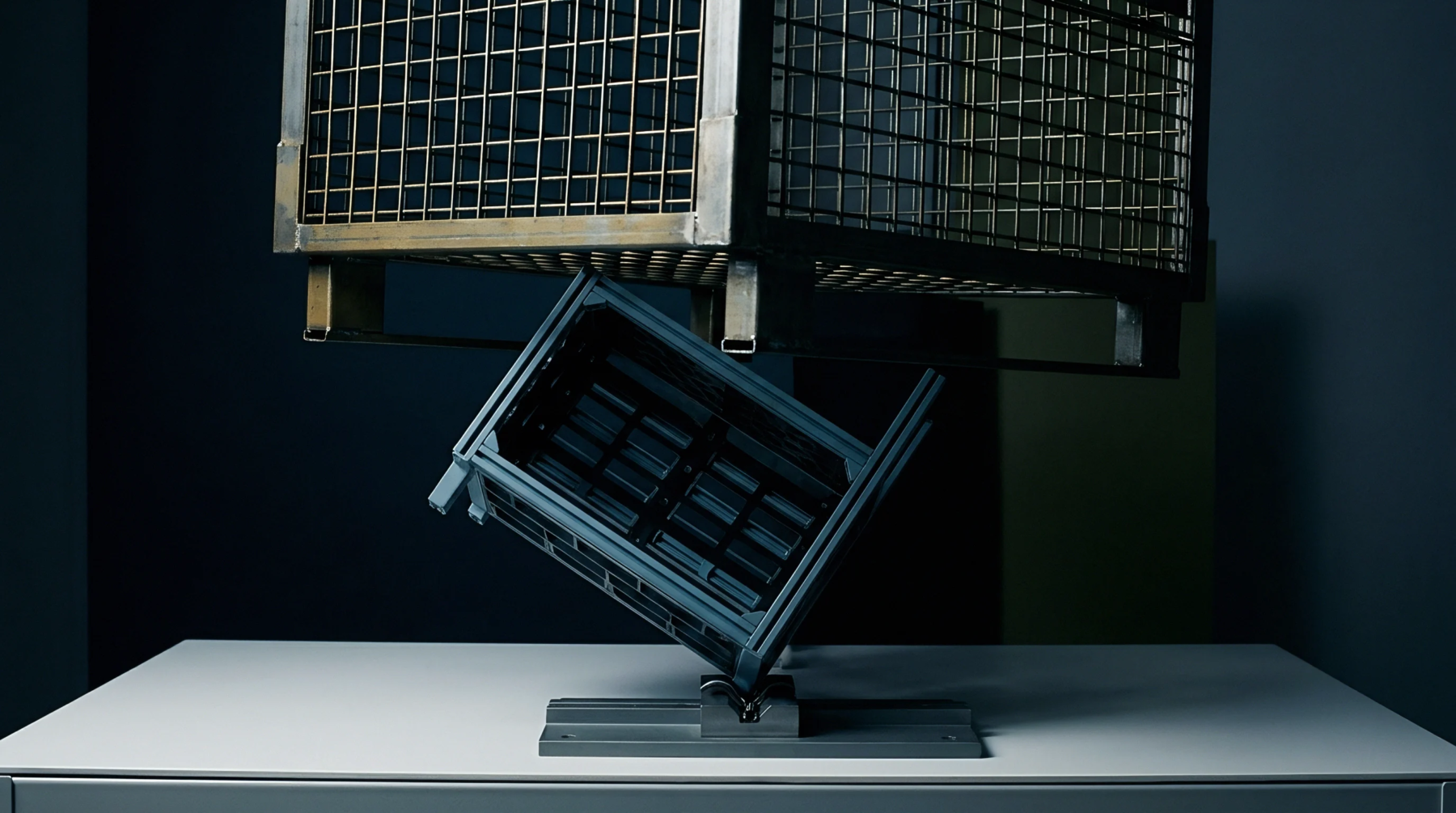
Four Wire Kelvin Sensing Principles in Low Impedance Battery Testing
Four-wire Kelvin sensing isolates drive current from potential sensing, eliminating lead and contact resistance errors in sub-milliohm battery impedance tests.
Four-wire Kelvin sensing isolates drive current from potential sensing, eliminating lead and contact resistance errors in sub-milliohm battery impedance tests.
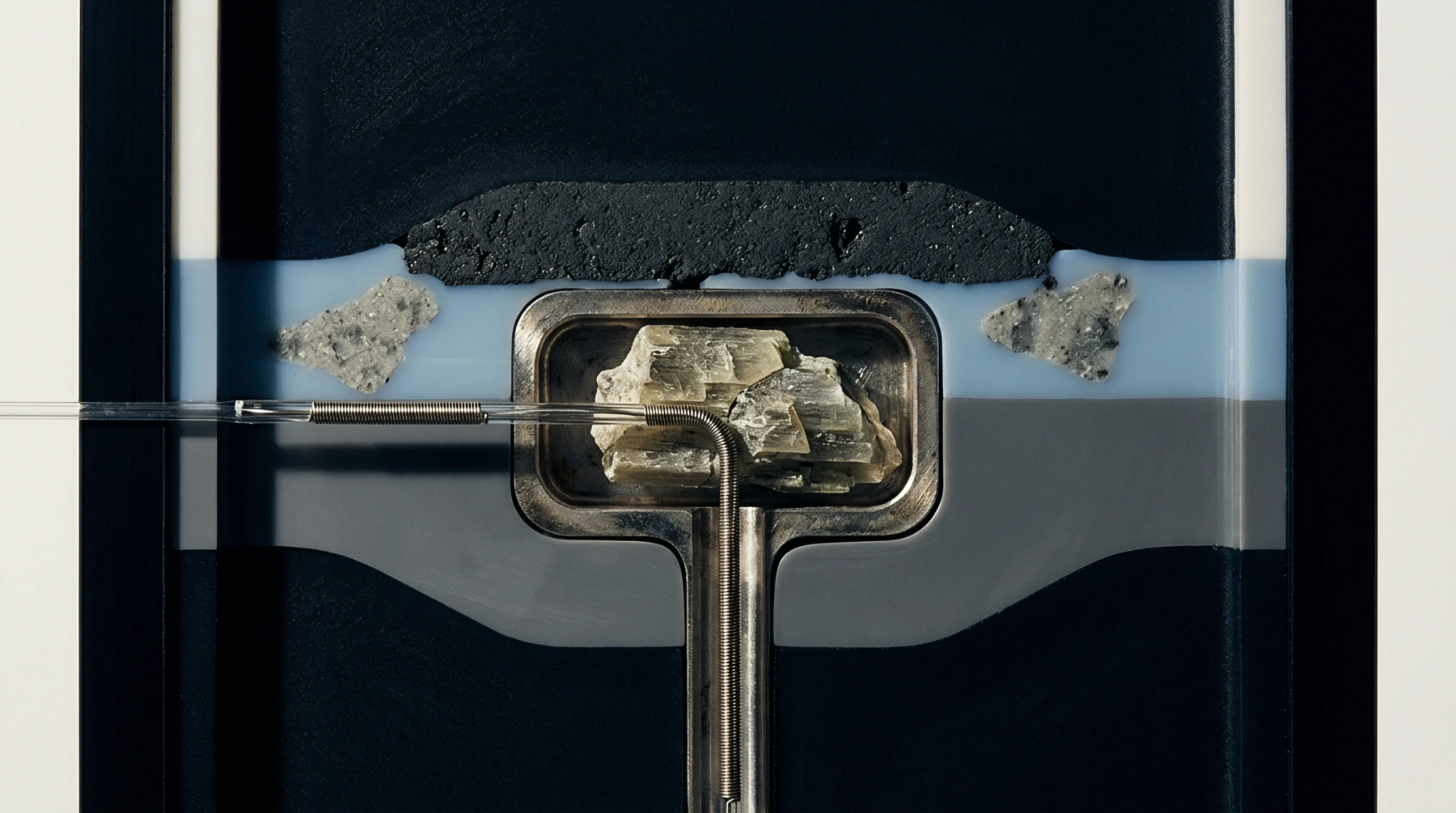
Combine non-destructive differential voltage analysis with high-resolution computed tomography to prove manufacturing defects and enforce cell lot warranty claims.
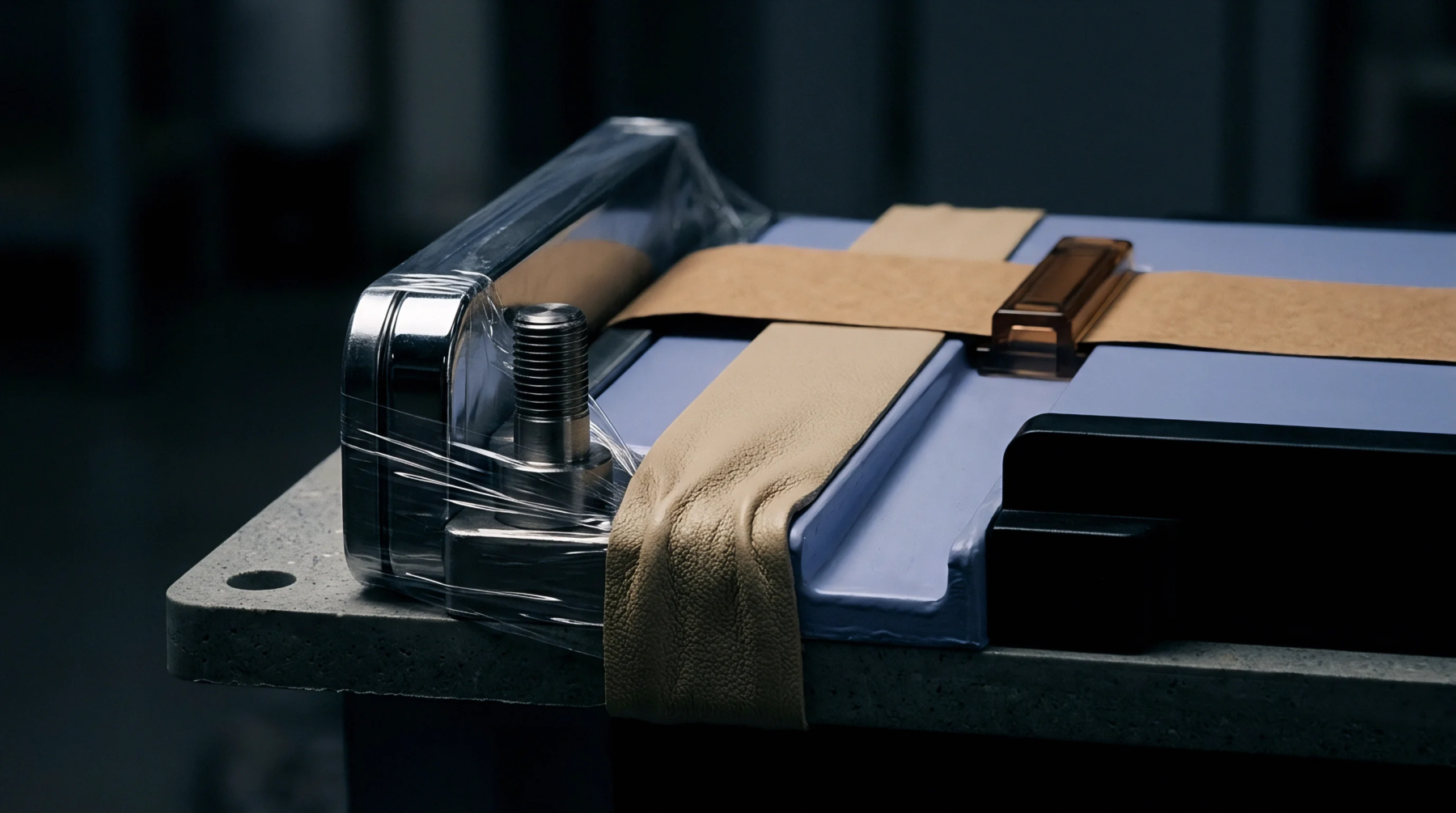
Controlled mechanical clamping combines rigid platen bracing with elastomeric cushions to constrain cyclic lithium cell swelling stress between 0.2 and 0.5 MPa.
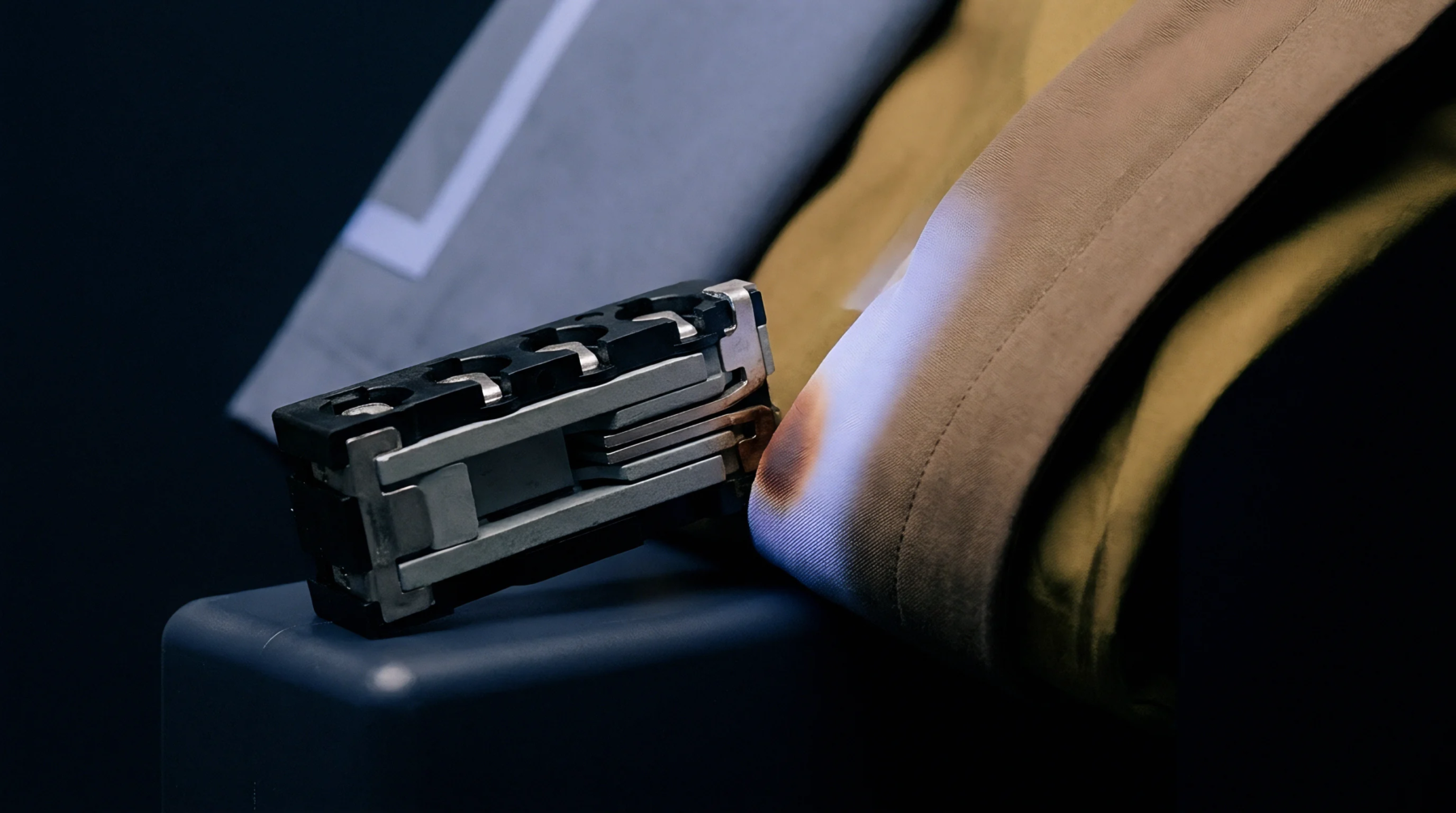
Finite element modeling of Butler-Volmer kinetics across Cu-Al intermetallics predicts galvanic void growth to set hard caps on weld phase thickness in RFQs.
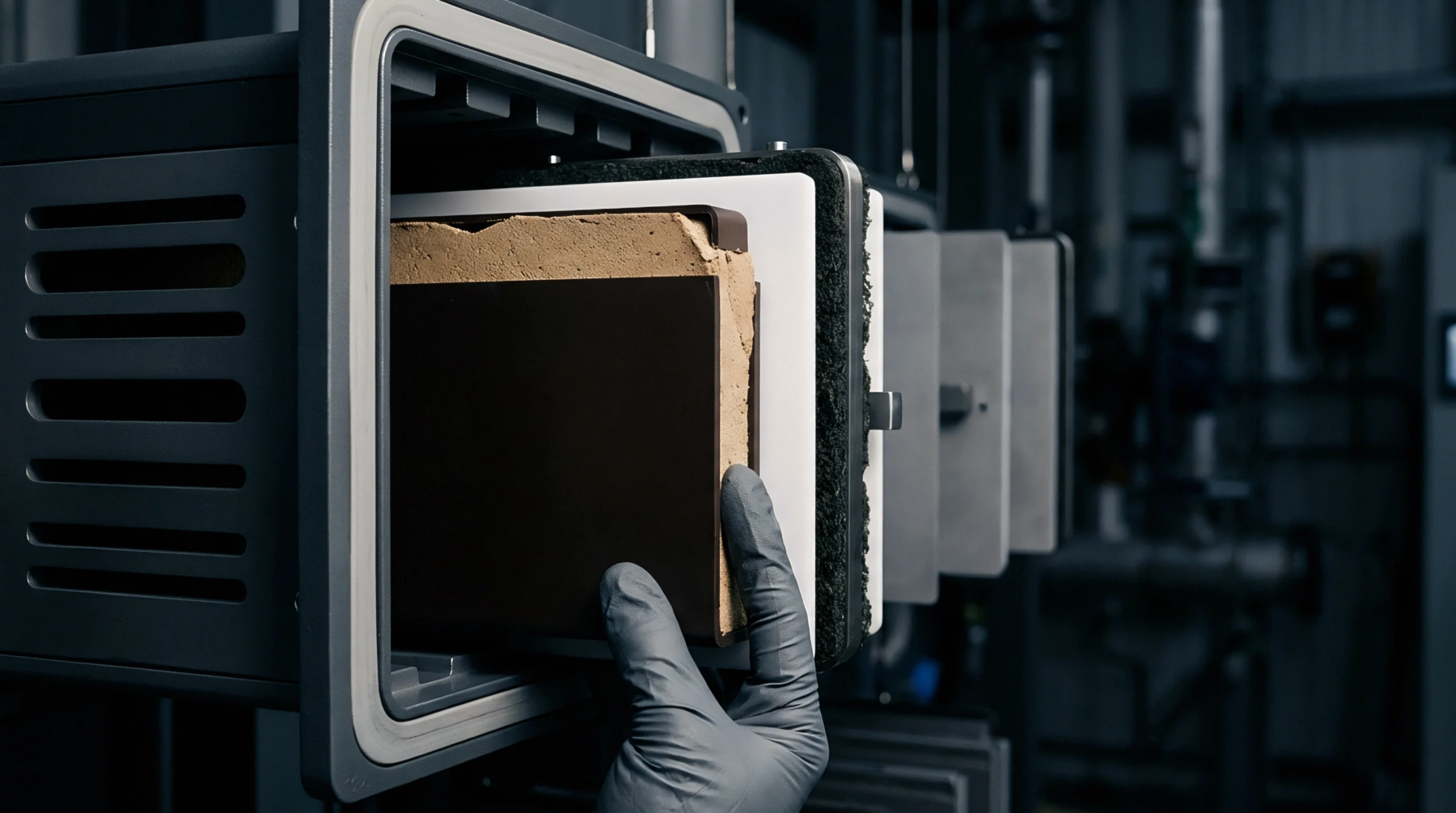
Sufficient stack pre-load retention and ceramic coating friction prevent wetted polyolefin separator sliding and tab shear in lubricated cell stacks.
Lithium iron phosphate open circuit voltage equilibrium maps two-phase hysteresis using multi-hour relaxation testing for state of charge estimation

Optimal prismatic module thermal interface selection balances bulk conductivity against rheology and compliance to accommodate swelling without dielectric rupture.

Data acquisition delay inflates cell transient resistance measurements by capturing double-layer charging decay rather than pure ohmic voltage drops.
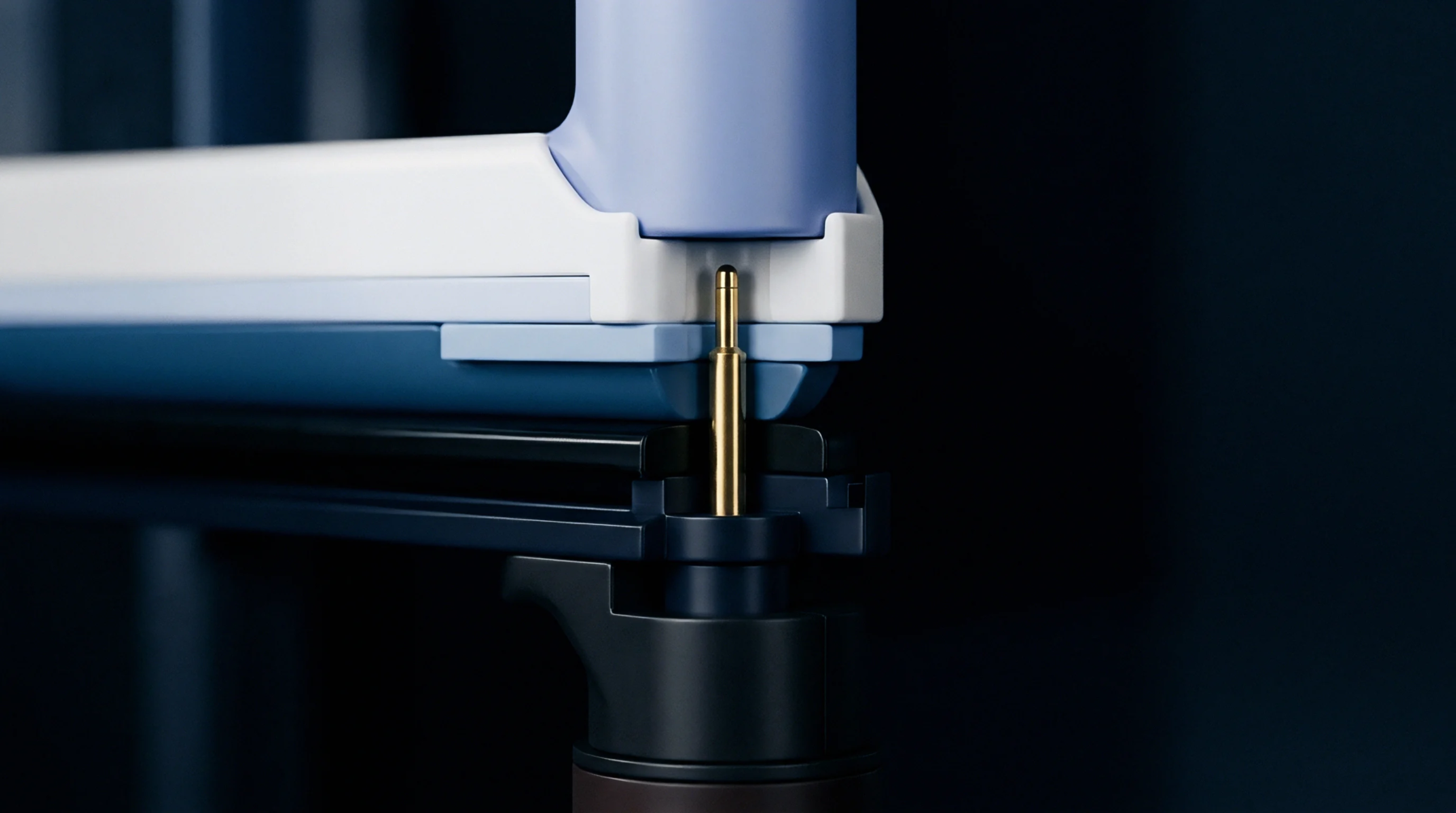
Solid state spring plate allowances absorb 10 to 18 percent cell volumetric strain while bounding contact pressure between 1.0 and 4.0 MPa across cell life.
Charge transfer overpotential crossover marks the transition from kinetic to diffusion control, quantifiable via transient voltage relaxation fitting.
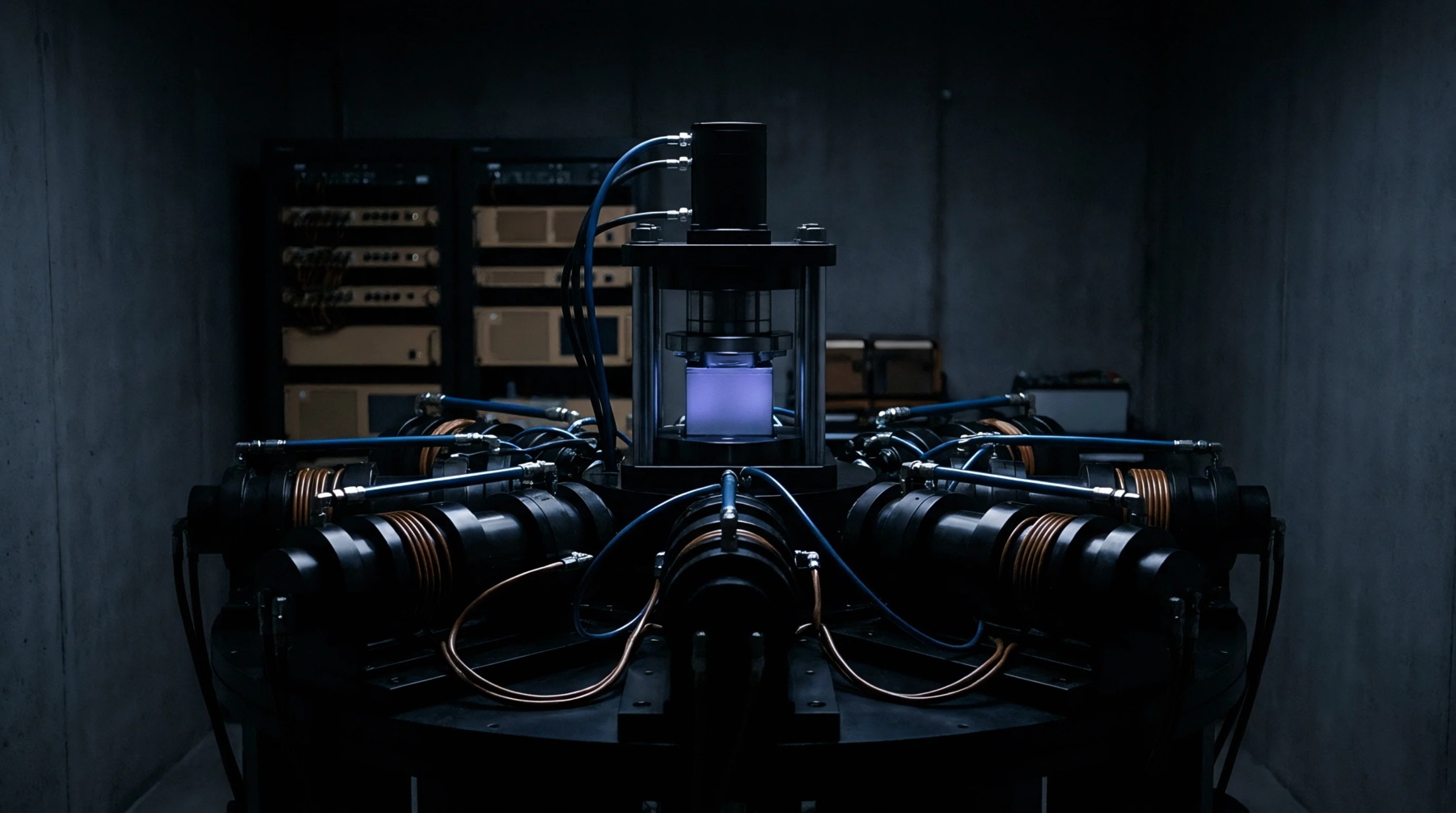
Dynamic fast-charge swelling pressure in structural cell-to-pack enclosures requires bounded preloads to suppress lithium plating without crushing separators.

Controlled mechanical preload pressures between 0.10 and 0.35 MPa prevent electrode delamination while avoiding separator pore creep and particle microcracking.

Thermal expansion and cell swell induce cyclic shear stresses that trigger weld fatigue and interconnect creep, requiring compliance flexure loops.
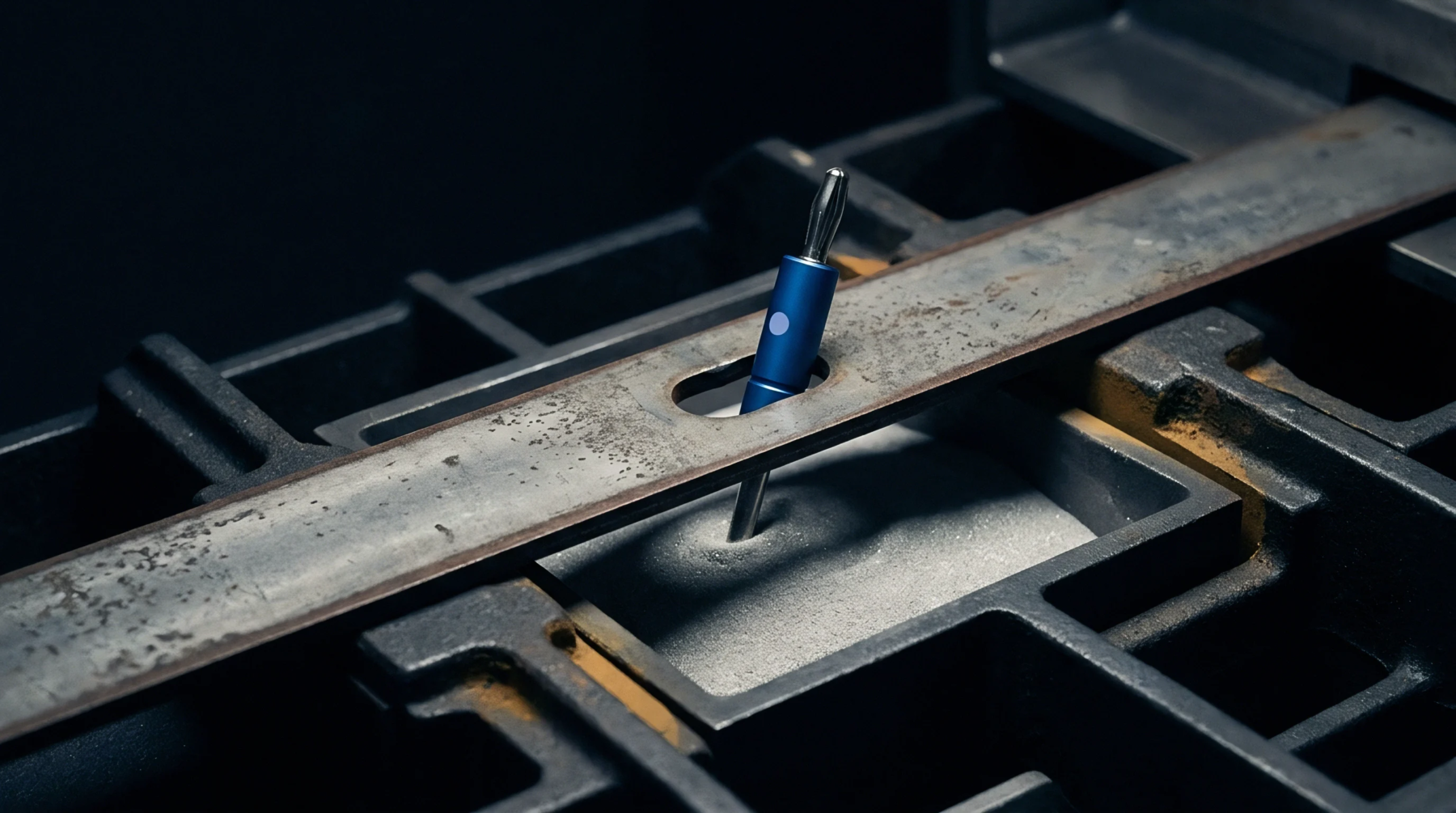
Four-wire Kelvin testing eliminates lead and contact resistance errors, enabling precise micro-ohm battery internal resistance measurement for cell grading.
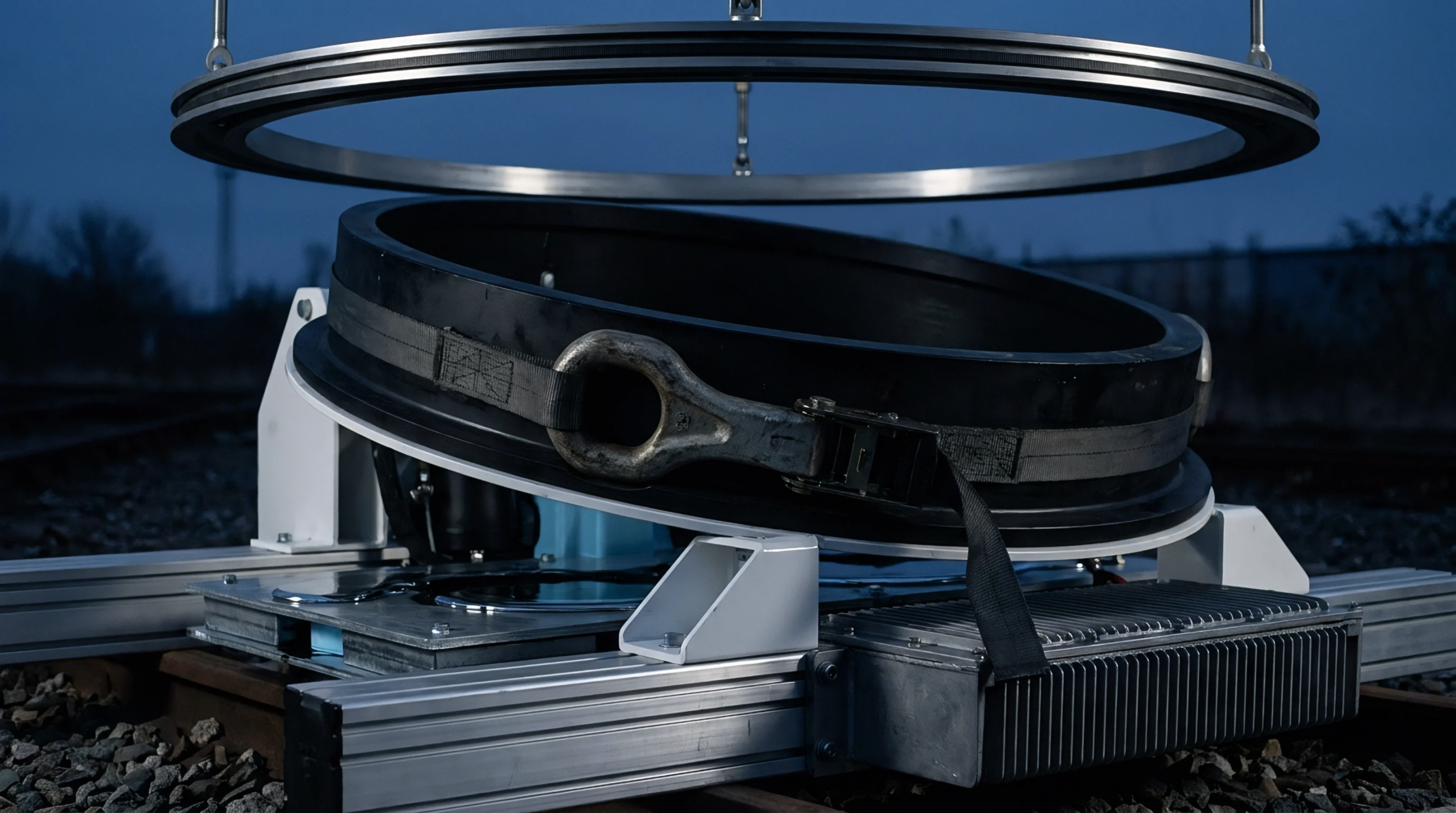
Automotive incoming cell acceptance requires four-wire Kelvin 1 kHz AC impedance screening combined with statistical Cpk thresholding at strict thermal equilibrium.

Low temperature battery testing requires rigorous cold soak protocols, four-wire Kelvin sensing, and impedance analysis to ground supplier performance claims.
Expertise is a utility, not a secret. sentiention™ publishes its working knowledge as open reference: intelligence layer covering the materials it sources, the markets it enters, and the reference that serves both.