What a UN 38.3 Test Summary Actually Covers
A valid UN 38.3 test summary documents standardized baseline transport safety survival under ten mandatory fields, without guaranteeing cell life or batch quality.
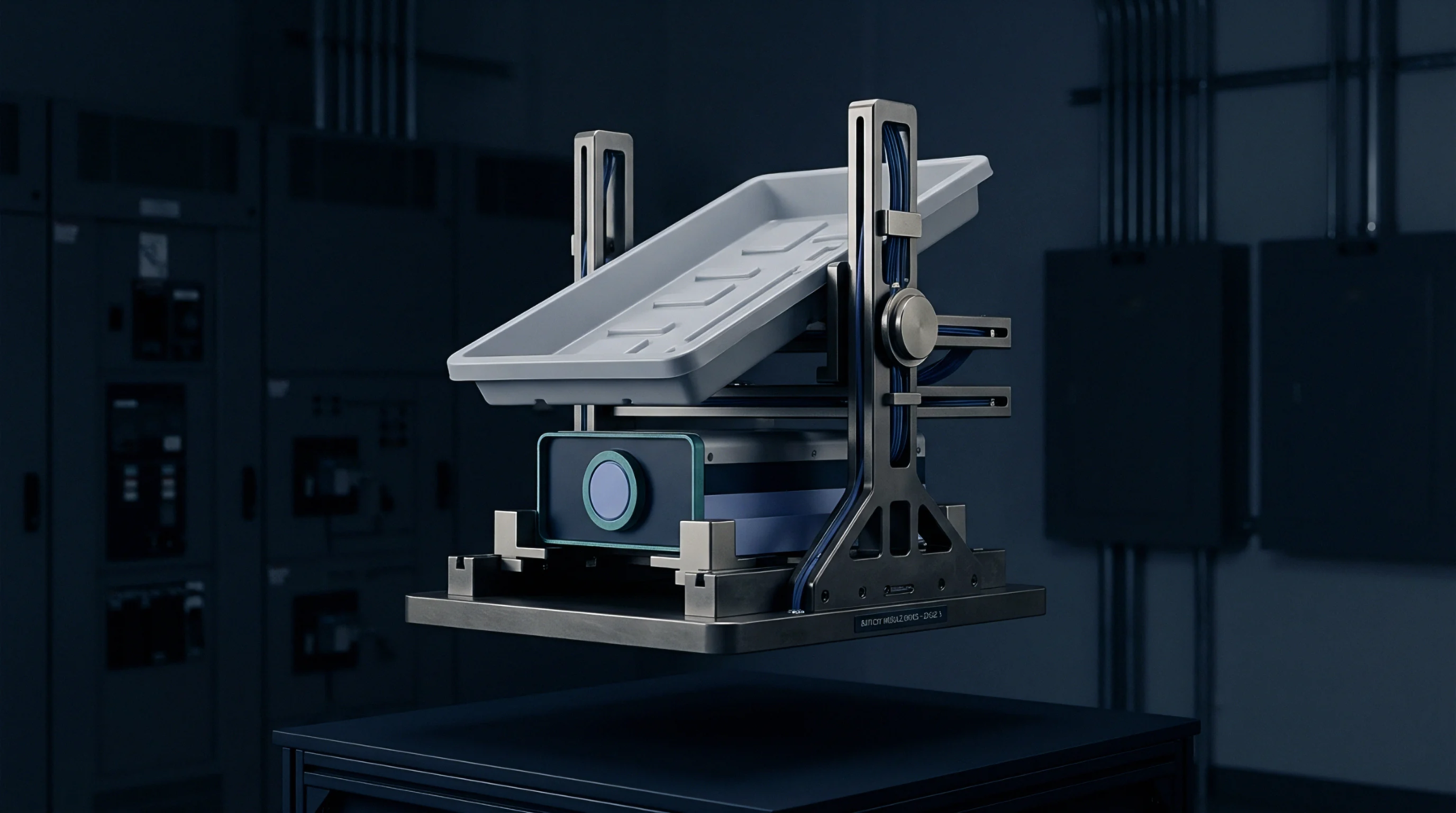
Stress assessment verifies internal durability of a cell when subjected to intense physical force from an external mass or heavy industrial press. During the impact crush test t6, technicians apply force to sample units using a flat or round bar to see if internal layers touch and initiate a catastrophic short circuit. Passing requires the item to stay within safe temperature limits and show no evidence of venting, flames, or housing disassembly in the hours following the impact event.
This confirms that cells will remain safe even if a pallet is dropped or if a transport container experiences a minor collision in a freight hub. It serves as a vital safeguard for high density items moving through standard industrial handling environments where physical impacts are a known daily risk for packed units.
Internal separators must maintain their thin barrier even when the metallic casing is deformed into a oval or rectangular shape during the sequence. Performance in the impact crush test t6 rests on the structural ductility of the electrodes and the chemical stability of the electrolyte when squeezed rapidly into a smaller volume. If the device starts to smoke or burst into flames, it indicates that internal layers are brittle or that thermal protection materials are too weak to manage the energy released by the physical contact.
Inspectors use automated data logs to track whether the samples survived the ninety point one kilonewtons of force required for items exceeding twenty millimeters in diameter. Success here validates that small handling mistakes will not lead to building fires or container explosions during the logistical middle mile. Quality managers check this result to confirm that housing specifications meet the hard requirements for safety and durability in mass commercial distribution.
Preparation of units ensures they represent the actual shelf condition before they encounter the massive steel pressure of the laboratory apparatus. In the impact crush test t6, every item stays at room temperature levels to avoid skewing the data with heat induced expansion or chemical sensitivity from previous steps. Testers place each cell on a hardened surface before lowering the specified weight to ensure the impact is square and concentrates energy directly through the center of the item.
After the force is applied, the item sits undisturbed while thermal cameras check for signs of a latent reaction inside the chemical core. This check prevents items that are prone to delayed internal collapse from reaching consumers or logistics warehouses where they would act as hidden hazards. Every report lists the successful surviving items as safe for use in devices where minor drops or external pressures might occur frequently during the operational lifespan of the hardware.
Mandatory rules stop requiring this test if cells have already passed more intensive penetration trials designed for specific vehicle safety regulations beyond basic transport limits. However, the impact crush test t6 remains the global minimum for items entering the shipping space across air, land, and sea lanes around the world. It ignores how high frequency vibration or humidity changes might weaken the items over long storage months because its focus is purely mechanical trauma.
Logistics clearance depends on this specific laboratory mark to prove the item can be handled safely by workers and mechanical sorting machines in automated hubs. Compliance confirms the baseline structural integrity necessary for shipping items in crates where they might experience weight pressure from items stacked above them. Without this evidence, items are barred from commercial movement in major markets until the design is proven to withstand basic industrial impact forces correctly.
A valid UN 38.3 test summary documents standardized baseline transport safety survival under ten mandatory fields, without guaranteeing cell life or batch quality.
Expertise is a utility, not a secret. sentiention™ publishes its working knowledge as open reference: intelligence layer covering the materials it sources, the markets it enters, and the reference that serves both.