Meaning
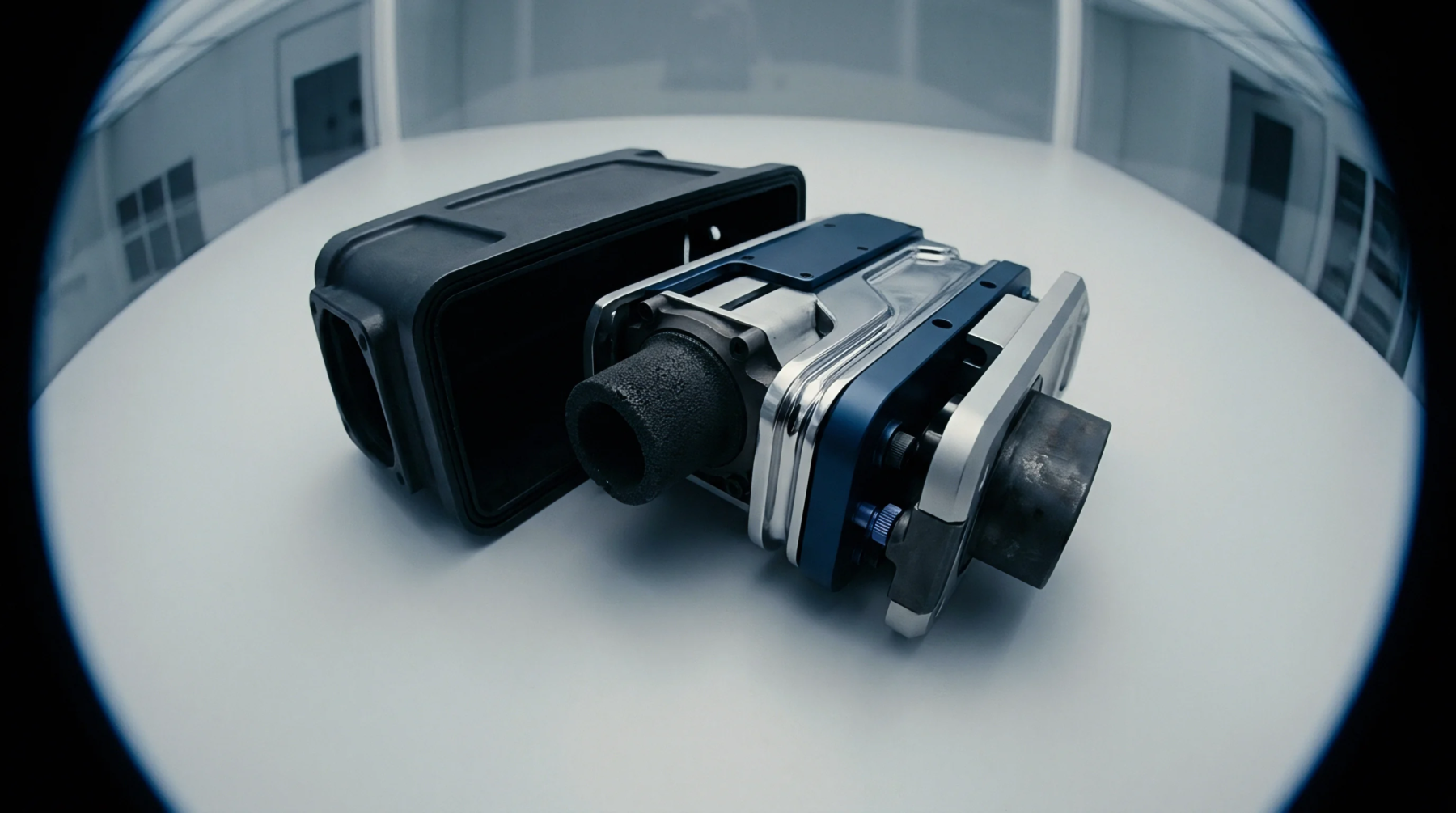
High precision steel forms designed to receive molten polymer to create complex three dimensional plastic components for battery packs. This injection mold tooling defines the shape of internal spacers, thermal insulators and enclosure lids. It measures the success of the manufacturing process by producing identical parts within exact tolerances millions of times.
The boundary of the tooling starts at the nozzle interface and ends at the ejection pin mechanism within the press. Every block is crafted from hardened tool steel to withstand several tons of clamping pressure during each cycle. This equipment allows for mass production of consistent internal components that support cell alignment and mechanical separation inside the energy storage module.
Cavity Engineering
Internal surfaces are polished or textured to specify the final finish of the plastic part after it cools. Using high precision injection mold tooling ensures that the interlocking tabs of the battery spacers click together perfectly during assembly. The tool contains complex channels for water or oil to maintain a consistent temperature throughout the production shift.
If the temperature fluctuates, the plastic shrinks at different rates and creates warped pieces that do not fit. Automated sensors monitor the pressure inside the cavity to verify that the plastic has filled every thin wall section. These profiles must be thin enough to save weight while being thick enough to provide structural support.
Quality is maintained through hundreds of cycles per hour without manual intervention.
Expense Recovery
Upfront costs represent the single largest investment when starting a new production line for customized battery plasticware. Firms calculate the non recurring expense of this injection mold tooling by dividing the total price across the projected number of units. This calculation moves the design choice between multi cavity blocks and smaller single cavity units.
More cavities increase the output speed but heighten the risk of total downtime if a single pin breaks inside the block. Every revision to the battery casing requires a corresponding modification to the steel tool, which adds significant time to the launch schedule. Documentation keeps track of the total number of shots fired into the tool to anticipate mechanical wear.
Correct forecasting avoids the sudden failure of the tool during peak manufacturing months.
Wear Measurement
Hardened surfaces eventually erode due to the abrasive nature of glass filled polymers often used for fire safety. Technicians inspect the injection mold tooling for rounded edges or loose fitting slides that create flash or excess plastic at the seam. When the gap exceeds the specified limit, the tool must be pulled from the line for refurbishing at a specialized machining center.
This periodic maintenance ensures that the parts always satisfy the mechanical safety requirements for the high voltage pack. The final product remains consistent as long as the internal geometry stays within the defined dimensions of the CAD original. Successful usage relies on precision cooling and high density material flow.
Monitoring these variables ensures that every part exits the machine ready for the automated assembly sequence.