Meaning
Thermal characterisation methods for electrochemical cells measure heat generation rates under strict constant-temperature conditions to support thermal management system design. Battery manufacturers rely on isothermal testing to determine how much heat a cell produces during high-rate discharge and charge cycles. The resulting data helps pack designers size liquid cooling plates and determine the necessary coolant flow rates.
Calorimetric Measurement
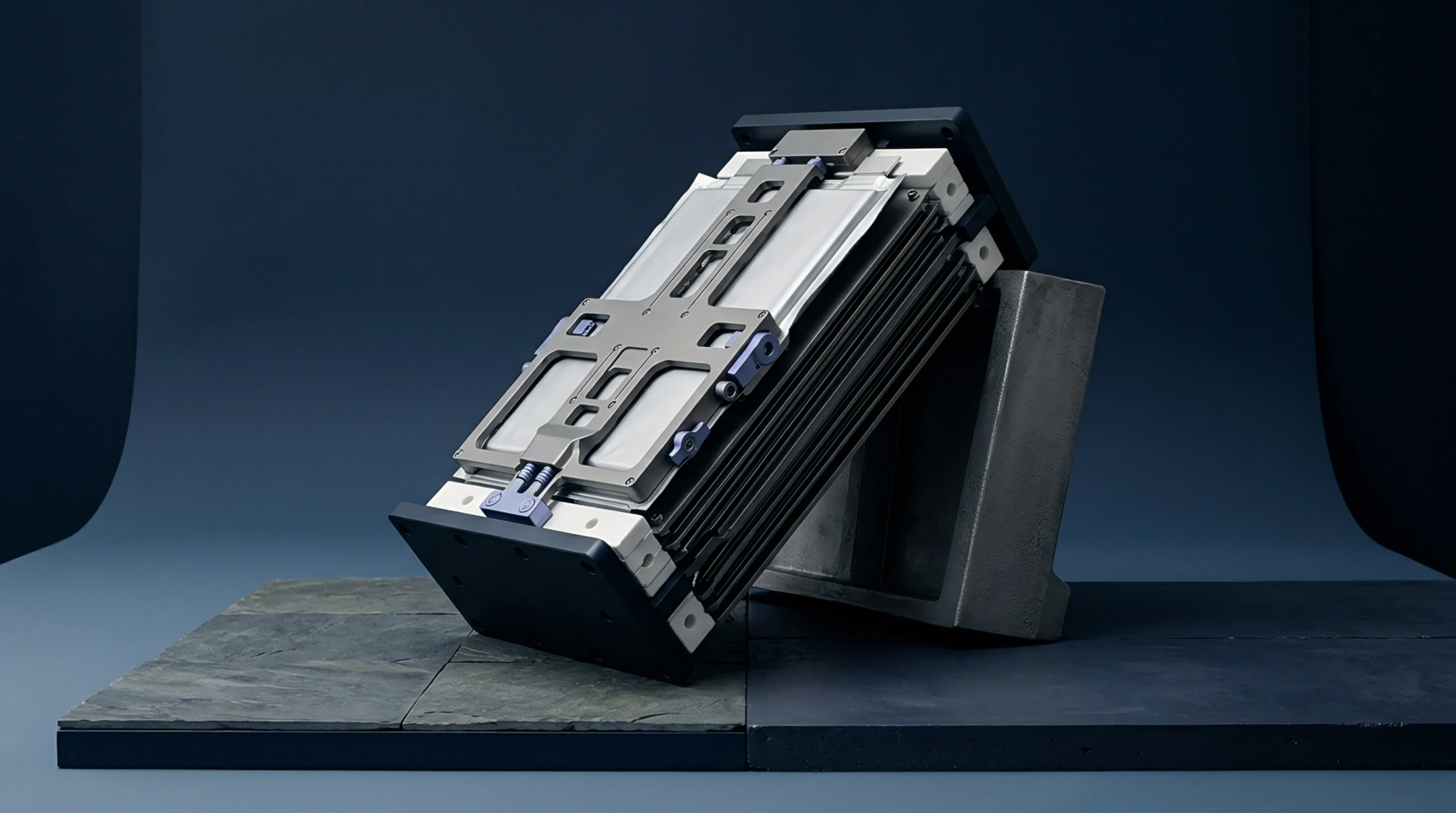
Conducting these measurements requires an isothermal calorimeter that maintains a constant boundary temperature while absorbing heat generated by the cell. Unlike environmental chambers that only control air temperature, the calorimeter physically clamps the cell between high-conductivity plates to sink all thermal energy immediately. Sensors measure the heat flow through these plates in real time during the electrical cycles.
This provides a direct measure of both reversible and irreversible heat generation throughout the state of charge range.
Sourcing Application
Automotive engineers use these thermal profiles to evaluate cell performance under aggressive driving cycles. Isothermal testing reveals the heat signature of different anode and cathode chemistries, showing which cell models generate less heat during fast charging. This is a required input for choosing between different supplier options.
Technical Limitations
Testing must be performed within specific thermal limits to prevent the cell from undergoing thermal runaway. If the cell starts to overheat despite the cooling plates, the test is terminated to protect the equipment. Accurate results depend on uniform surface contact, meaning that pouch cells must be kept under a controlled clamping pressure.