Meaning
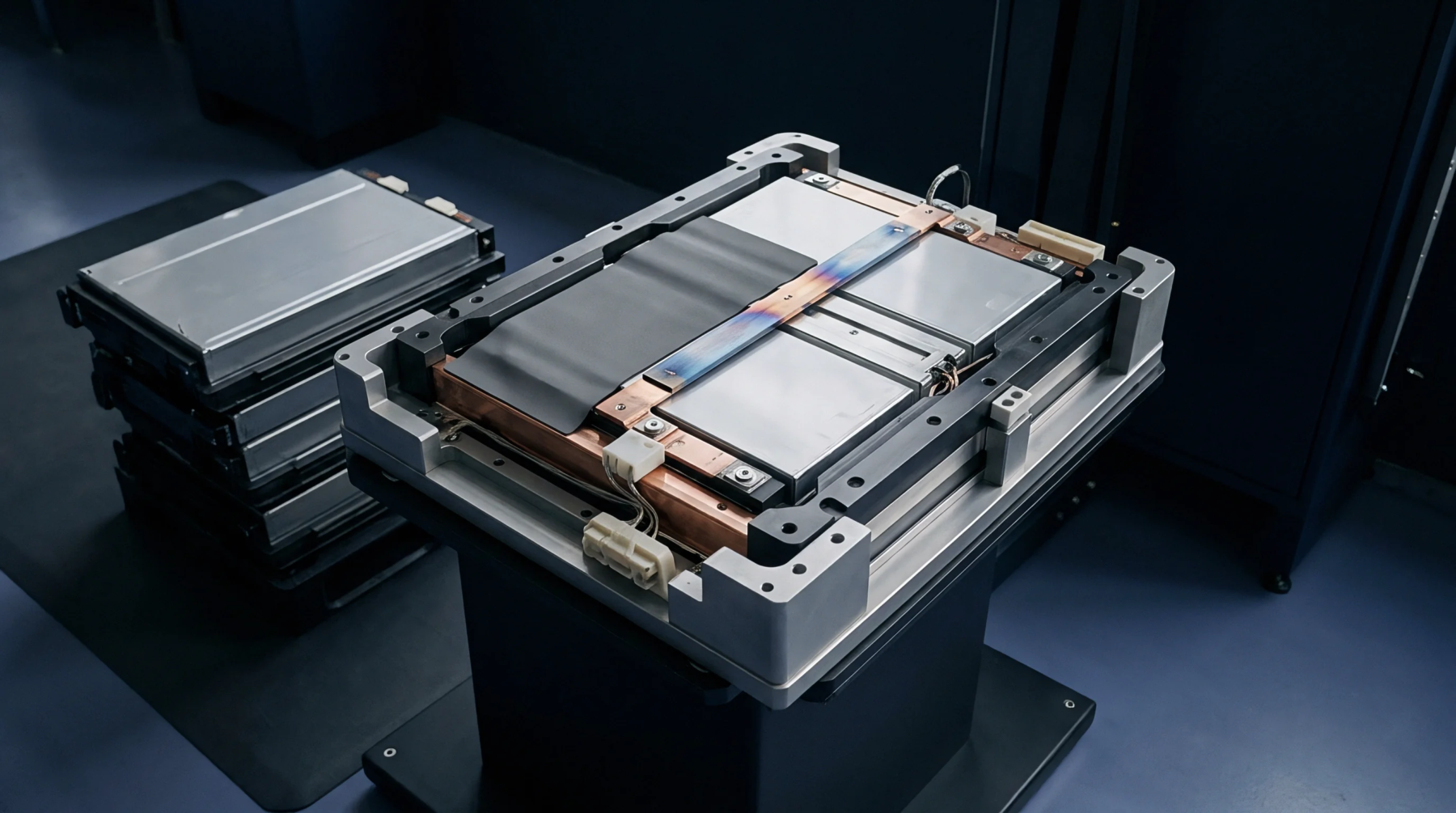
Gradual weakening of a laser fused joint under repeated thermal or mechanical stress cycles threatens the hermetic seal and structural bond of battery pack components. This failure mode is particularly relevant for the electrical interconnects that join individual cells into a larger module or pack. Laser weld fatigue occurs as a result of the constant expansion and contraction of the battery components during charge and discharge cycles.
Small cracks can initiate at the grain boundaries of the weld and propagate over time until the joint loses its electrical conductivity or mechanical strength. This process is monitored through vibration testing and thermal cycling to ensure the longevity of the battery assembly.
Joint Integrity
Microstructural characteristics of the fused metal determine the initial strength and the resistance to cracking under repeated loading. A high quality weld requires precise control over the laser power, pulse duration and beam focus to ensure a deep and consistent bond. Laser weld fatigue is often initiated by small defects such as porosity or inclusions that act as stress concentrators within the joint.
As the battery is subjected to the vibrations of a moving vehicle, these defects can lead to the premature failure of the electrical connections. Engineers use ultrasonic inspection and x ray imaging to verify the quality of the welds during the manufacturing process.
Thermal Stress
Rapid temperature changes during high power operation cause the different materials in the battery pack to expand at different rates.
Inspection Standard
Rigorous testing protocols are used to validate the durability of the laser welded joints before the battery pack is approved for mass production. These tests involve subjecting the module to thousands of cycles of mechanical shock and thermal stress while monitoring the electrical resistance of the joints. If the resistance increases beyond a certain threshold, it indicates that laser weld fatigue is progressing and the joint is failing.
The data from these tests is used to refine the weld parameters and the geometry of the interconnects. Ensuring the long term stability of these connections is necessary for the safe and reliable operation of large scale energy storage systems. Preventing the onset of fatigue in laser welds is a priority for automotive manufacturers seeking to improve the reliability of electric vehicle battery packs.