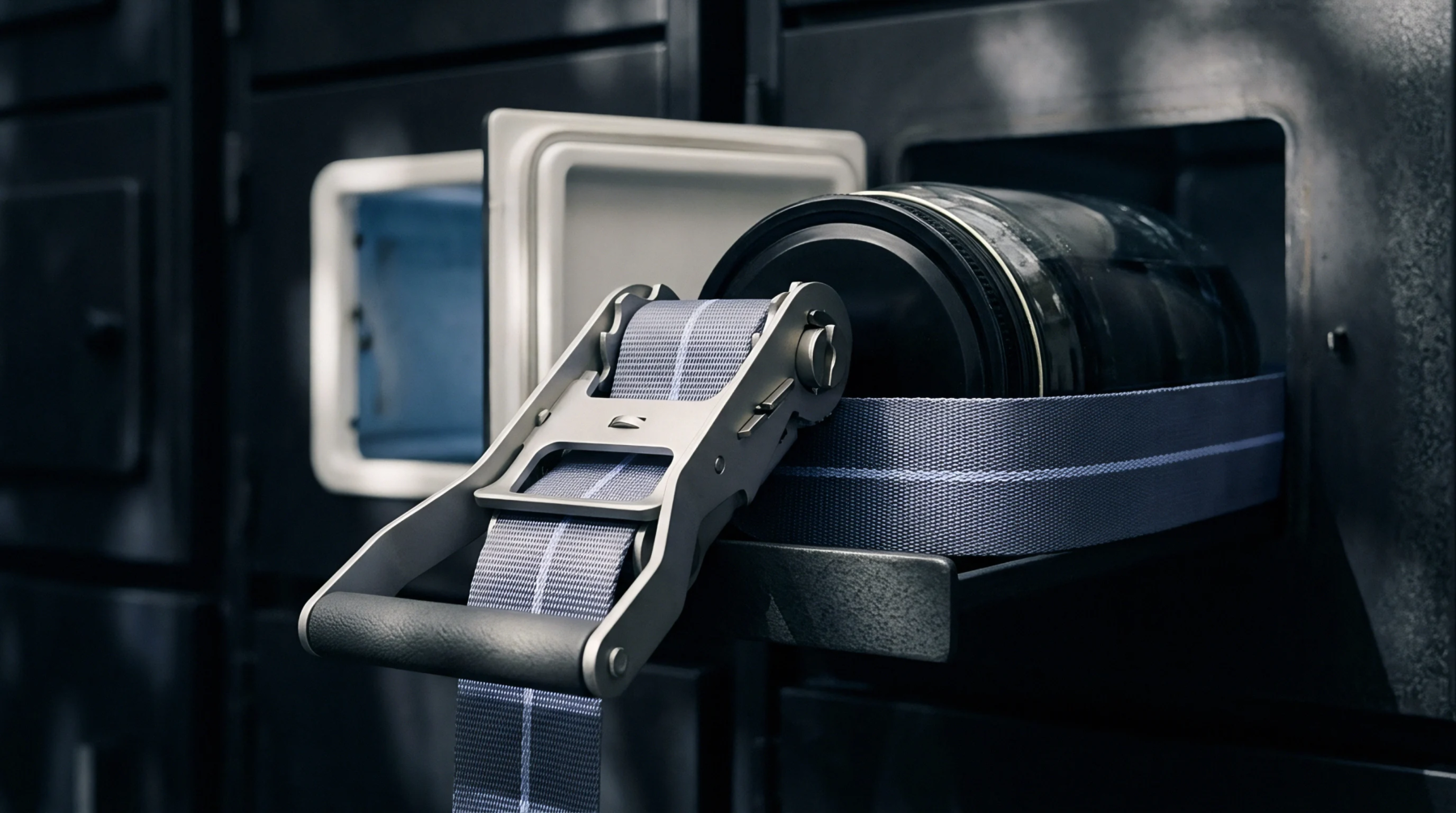
Stress Coupled Amorphous Phase Stability in Silicon Alloy Anodes
Controlled stack pressure suppresses terminal crystalline phase transitions in silicon alloy anodes, doubling cell cycle life through mechanical containment.
Controlled stack pressure suppresses terminal crystalline phase transitions in silicon alloy anodes, doubling cell cycle life through mechanical containment.
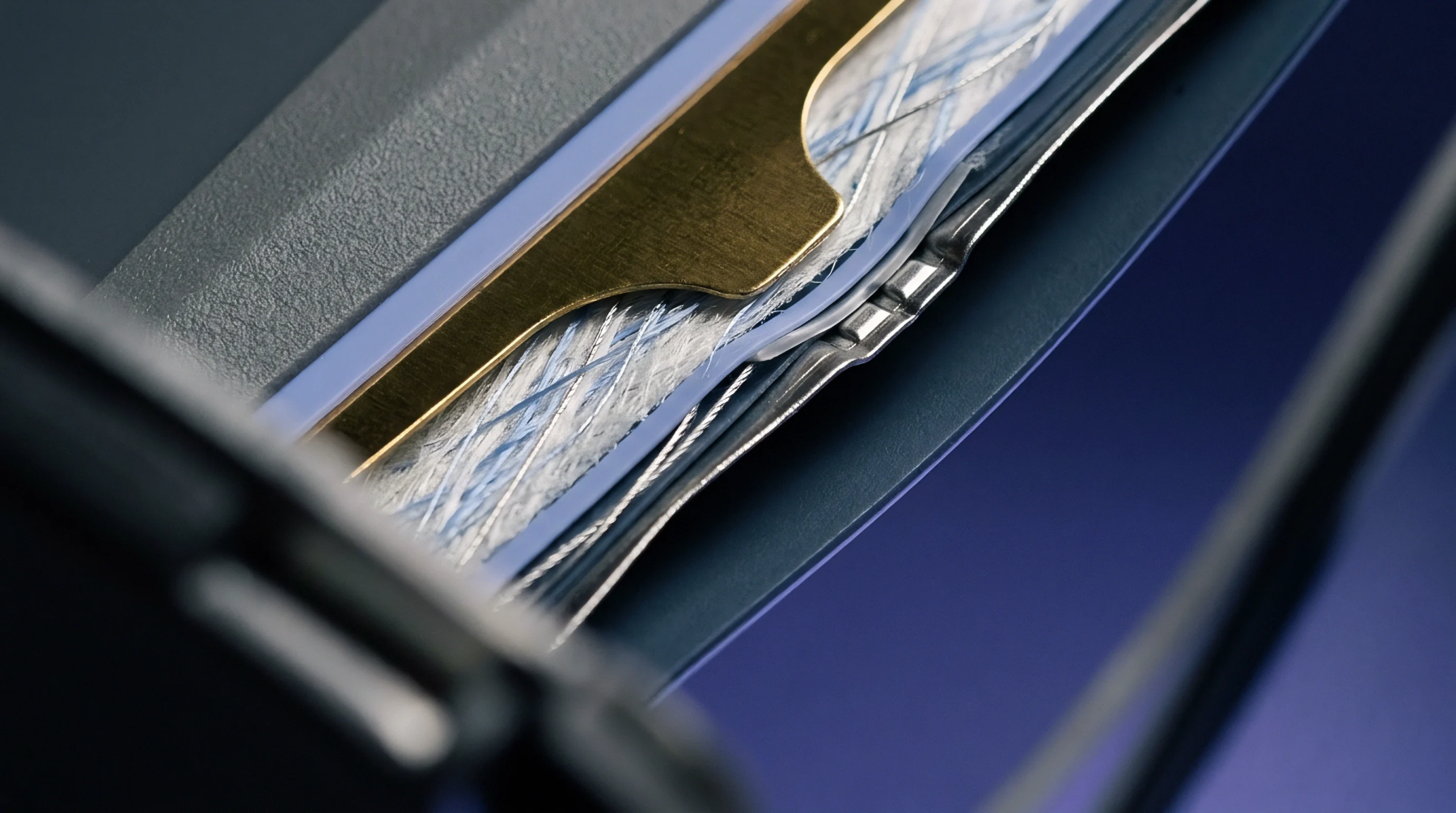
Laser-welded 3003 aluminum cell headers under sulfide swelling require lower bead tensile stress below fifty megapascals to prevent stress corrosion cracking.
Automated volumetric dispensing accuracy depends on balancing line pressure drops against non-Newtonian shear thinning profiles across operating flow rates.

Non-Newtonian gap filler rheology controls high-shear dispensing speeds, wet squeeze forces, and long-term settlement stability in battery pack assembly.

Shear-thinning gap filler viscosity drops under high dispense shear rates, requiring dynamic force control during module squeeze to prevent voids and structural cell damage.
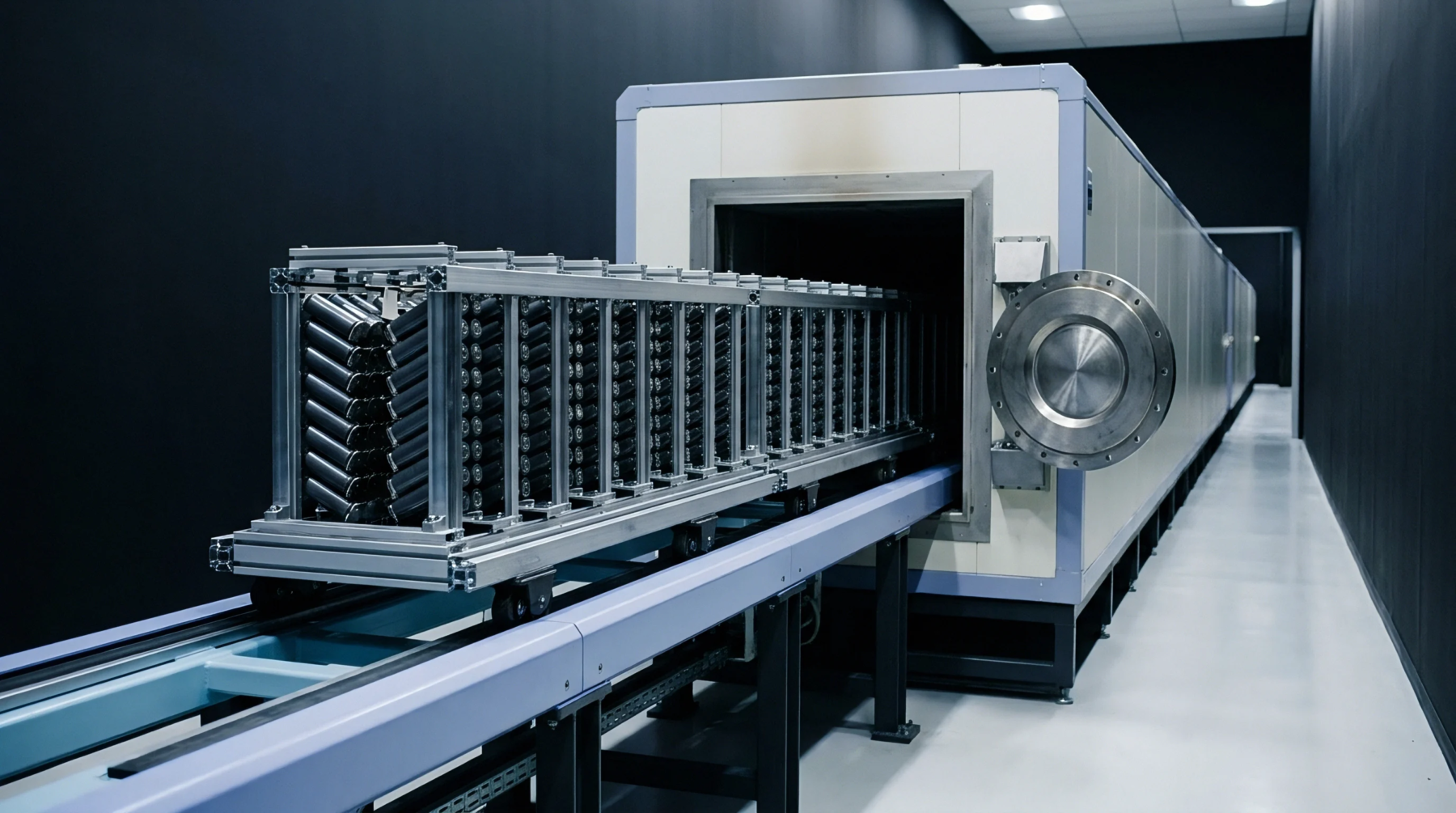
Argon void modeling links powder atomization physics to HIP kinetics, allowing buyers to set strict gas limits that prevent tool strength loss.
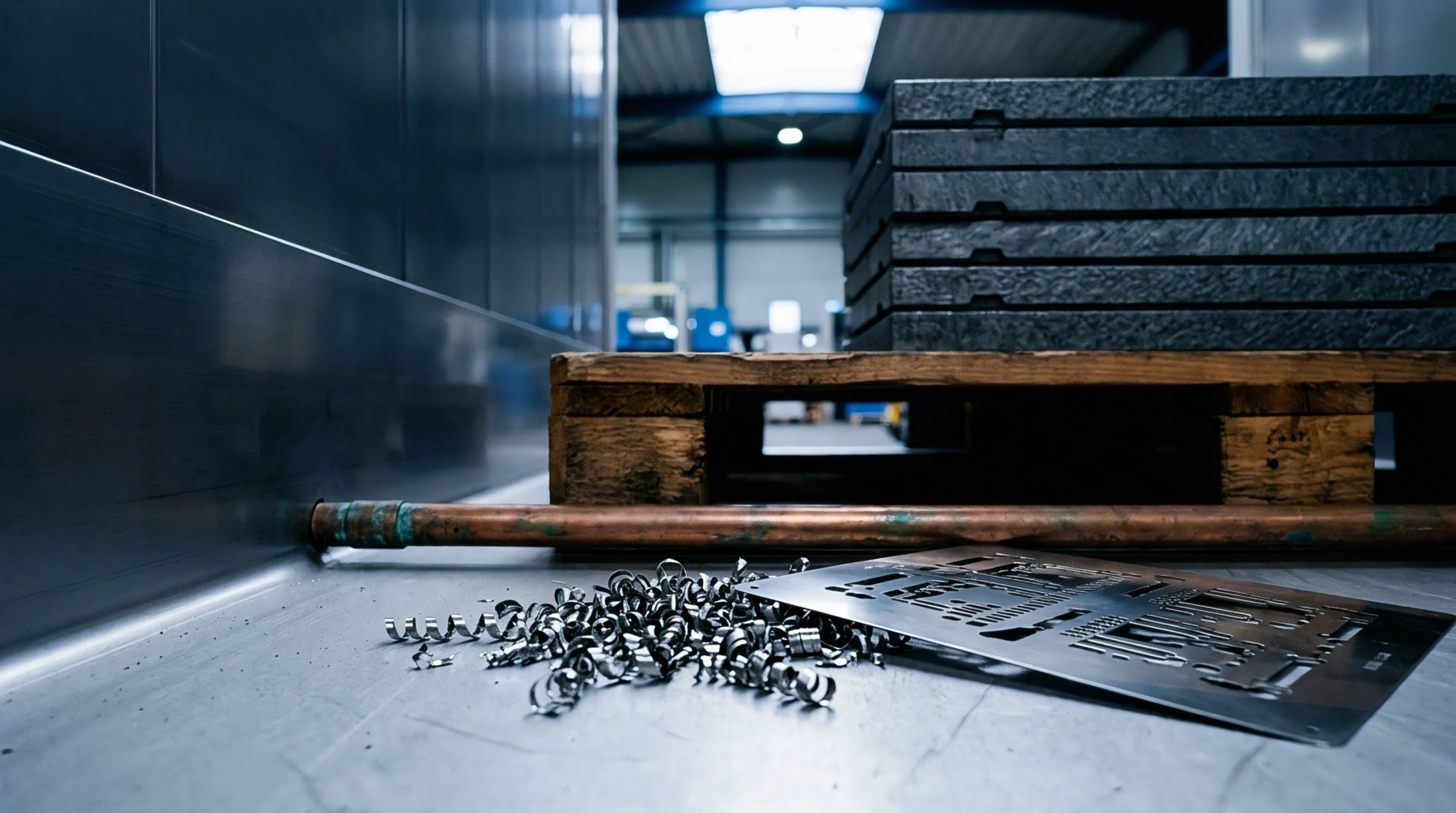
Thermal interface materials require precise thickness and pressure control to eliminate contact resistance without inducing structural stress on battery cells.

Solid-state prismatic expansion demands dynamic stack compression and strict header weld strain limits to prevent interfacial delamination and capacity fade.
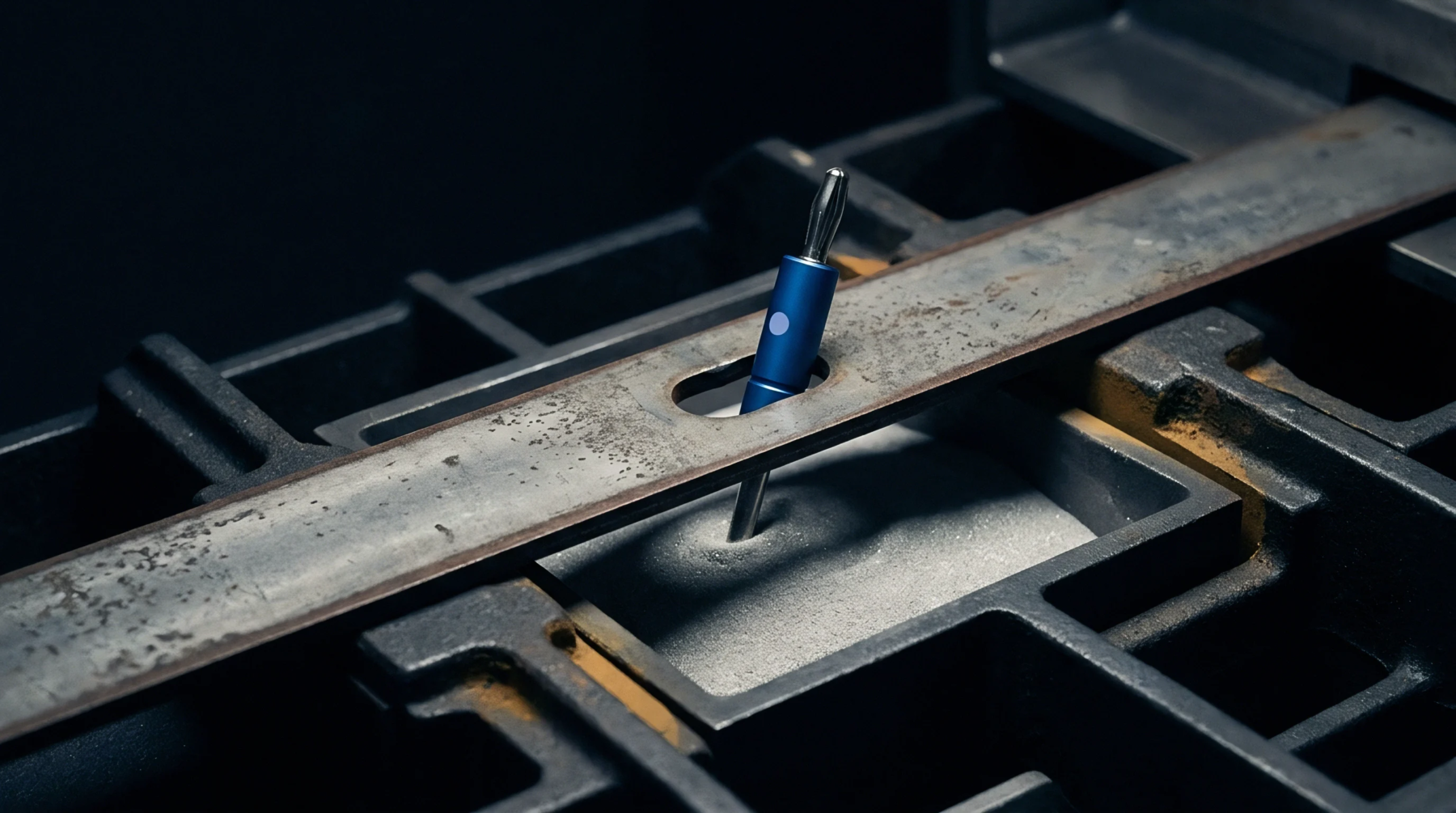
Tightening housing floor machining planarity below 0.2 mm slashes thermal paste volume requirements, preventing multi-million dollar annual BOM overruns.
Expertise is a utility, not a secret. sentiention™ publishes its working knowledge as open reference: intelligence layer covering the materials it sources, the markets it enters, and the reference that serves both.