Meaning
Force measurement technology translates mechanical strain into precise digital data for industrial weighing systems. Load cell integration connects these sensors to signal conditioners or programmable logic controllers through standardized analog or digital communication protocols. Proper installation requires alignment with structural mounting points to ensure the load sensor accurately captures vertical gravity loads while minimizing parasitic forces from thermal expansion or vibration.
System Architecture
Accurate data acquisition requires an initial calibration of the transducer interface within the host machine. Analog load cell integration necessitates high resolution excitation voltage stability to maintain signal integrity across long cabling runs. Digital alternatives reduce noise interference by performing conversion directly at the source.
This architecture prevents drift when industrial environments subject the hardware to electromagnetic fields or fluctuating ambient temperatures.
Operational Calibration
Calibration sequences define the relationship between millivolt output and measured mass values during a controlled test phase. Technicians adjust the gain on the signal amplifier to match the rated capacity of the sensor to the expected input range of the instrumentation. Zero balance offsets ensure the system provides a stable baseline reading before applying a load.
Verification routines using certified test weights confirm that the final signal mapping matches the required sensitivity throughout the working range.
Component Compatibility
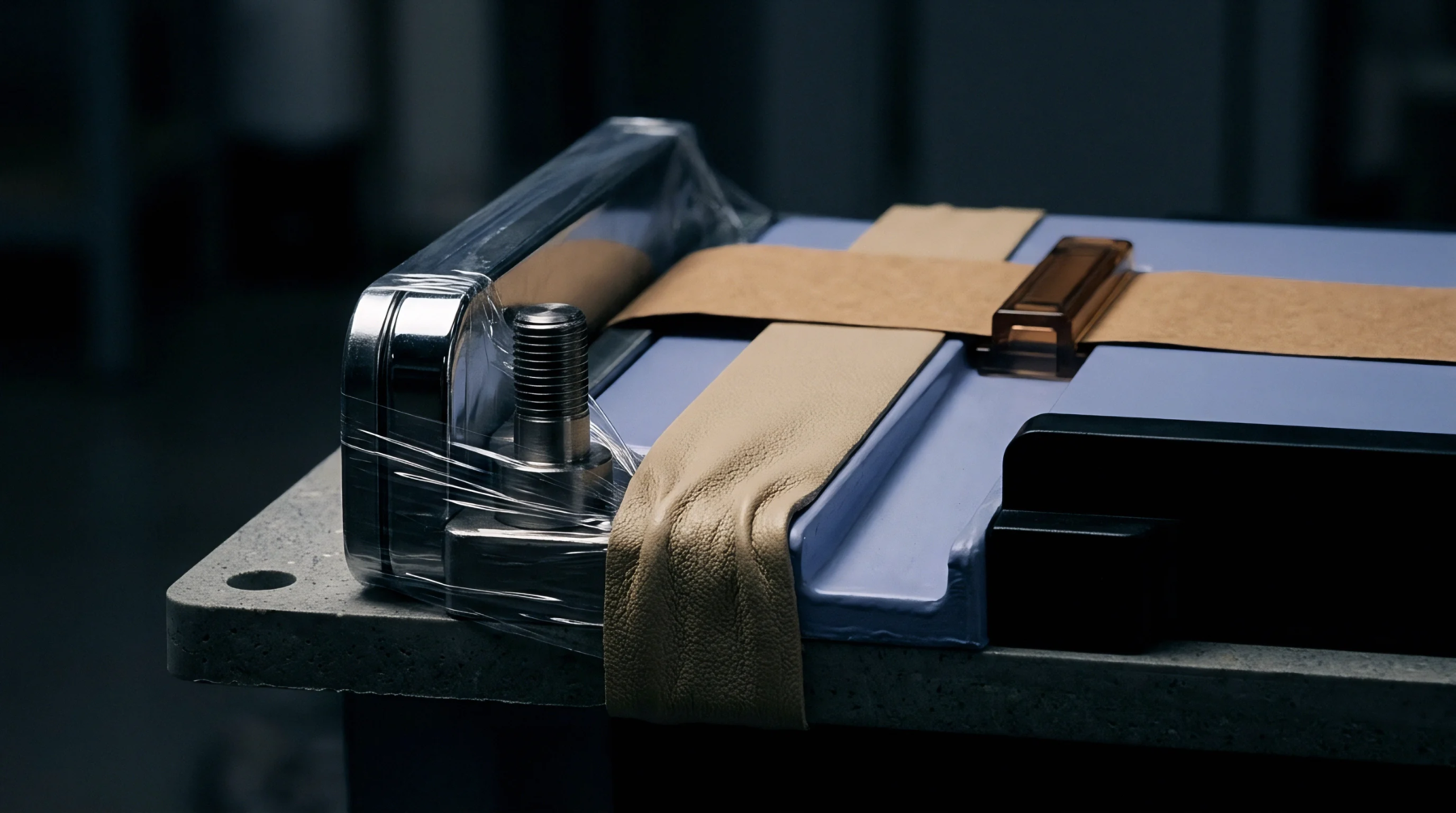
Mechanical interfaces govern the transfer of load from the weighing platform to the strain gauge housing. Bolted assemblies must maintain uniform torque to prevent non-linear performance or signal hysteresis under changing stress states. Selecting specific mounting hardware depends on the material stiffness of the support structure and the environmental isolation required for the application.
Rigid connections transfer shocks that damage sensitive internal elements while flexible coupling options protect the sensor from shear force and off-axis torque.