Meaning
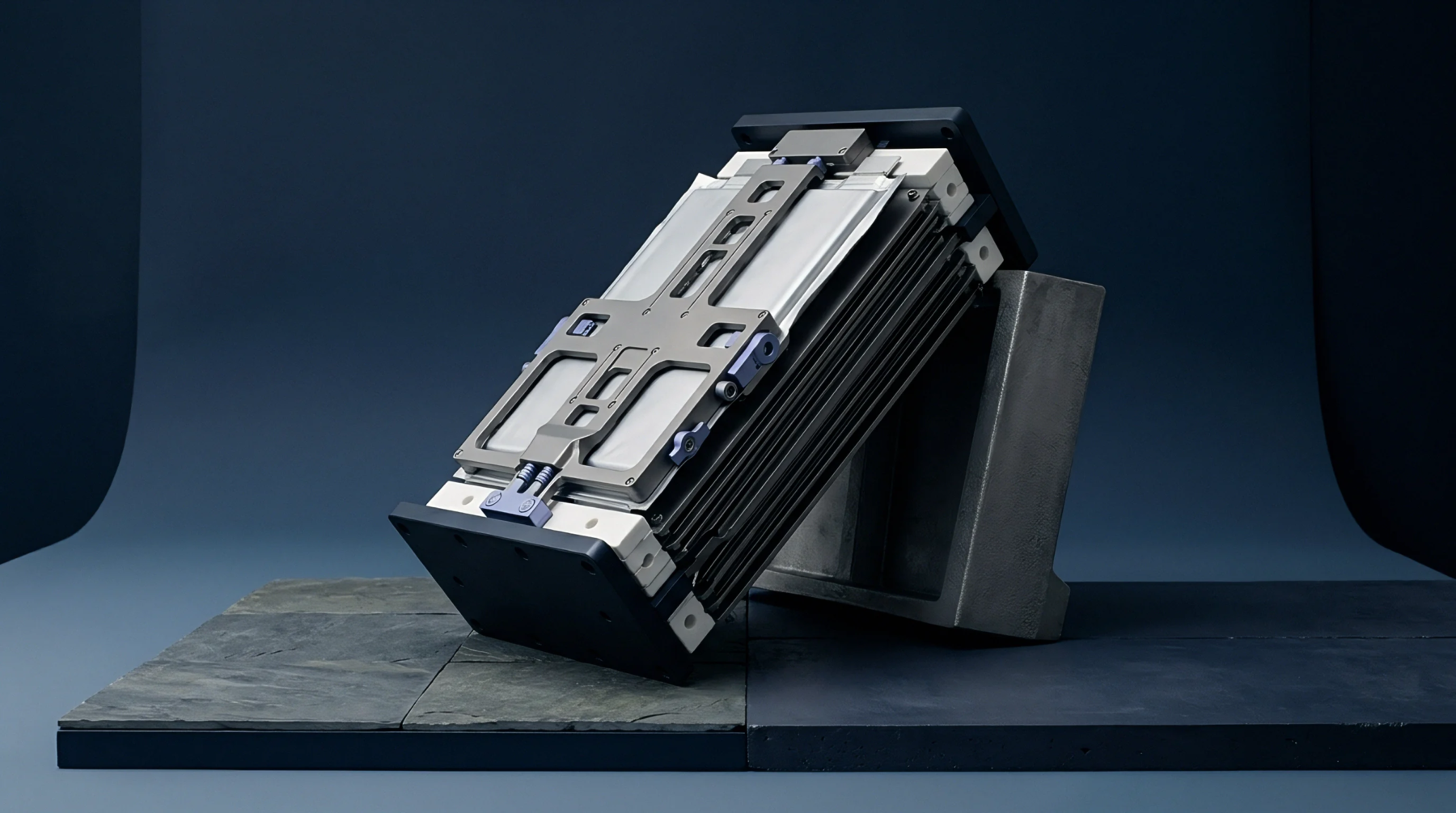
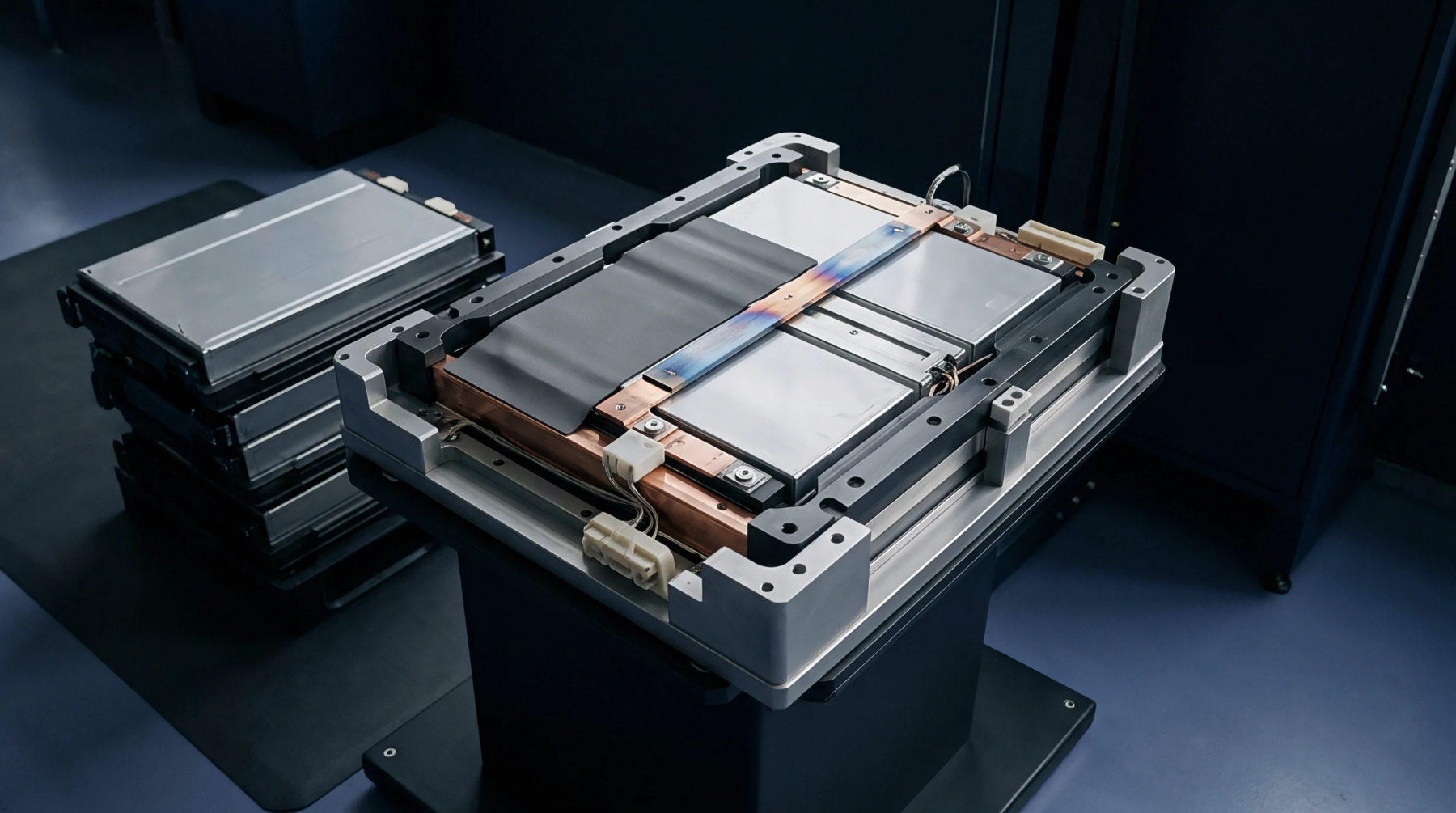
Closed-cell elastomeric materials with microscopic pore structures provide a controlled, resilient spring force to manage the mechanical expansion of battery cells. This microcellular foam is positioned between cells within a module to absorb swelling while maintaining the necessary compressive force to prevent delamination. Sourcing teams specify these materials to ensure the structural and electrochemical stability of the battery pack over its lifetime.
Compression Mechanics
Cell expansion during charging and aging exerts high force against the module walls if not absorbed by a compressible medium. The foam undergoes deformation to accommodate this swelling, providing a stable force response over a wide range of strain. This mechanical behavior prevents the pressure from exceeding the limits that would deform the cell casing or damage the module frame.
Such foam must resist permanent deformation to maintain this pressure throughout the service life of the pack, ensuring that the internal components of the cell remain in intimate electrical contact.
Thermal Management
Low thermal conductivity of the foam allows it to double as a barrier that slows heat transfer between adjacent cells. This isolation is useful in preventing the thermal propagation of a failing cell to its neighbors within the module. Some configurations combine the foam with aerogel or other flame-retardant materials to enhance this protective effect.
The selection of the foam thickness and density must balance the mechanical and thermal requirements of the pack.
Sourcing Criteria
Sourcing managers evaluate the compression-deflection curves and aging data of different polymer formulations before selection. Rigorous comparison ensures the selected material matches the specific operating environment of the battery system.