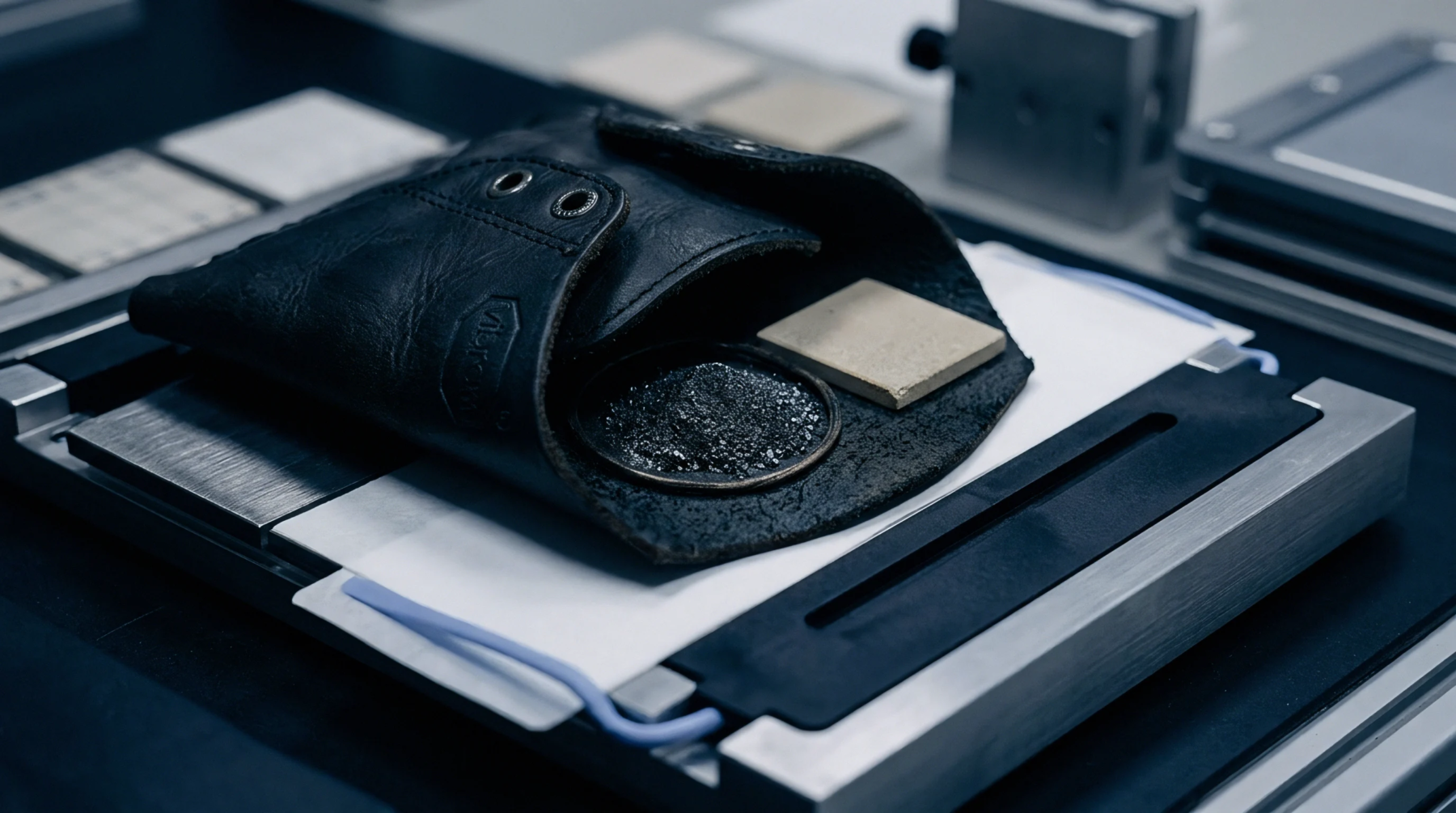
Reference Electrode Placement Techniques in Commercial Pouch Battery Formats
Micro-wire reference probes resolve pouch anode plating limits but invalidate transport certificates and introduce phase artifacts.
Micro-wire reference probes resolve pouch anode plating limits but invalidate transport certificates and introduce phase artifacts.

Dynamic de-embedding of fixture inductance strips reactive voltage transients from cell measurements, preventing false DCIR sorting rejects in high-speed trays.

Kelvin probe fixtures eliminate contact resistance in high-throughput sorting, but dynamic wear and loop inductance require rigid tooling and routine calibration.

AC 1 kHz checks catch weld defects, while DC pulse tests quantify true polarization thermal loads essential for cell grading and pack warranty validation.
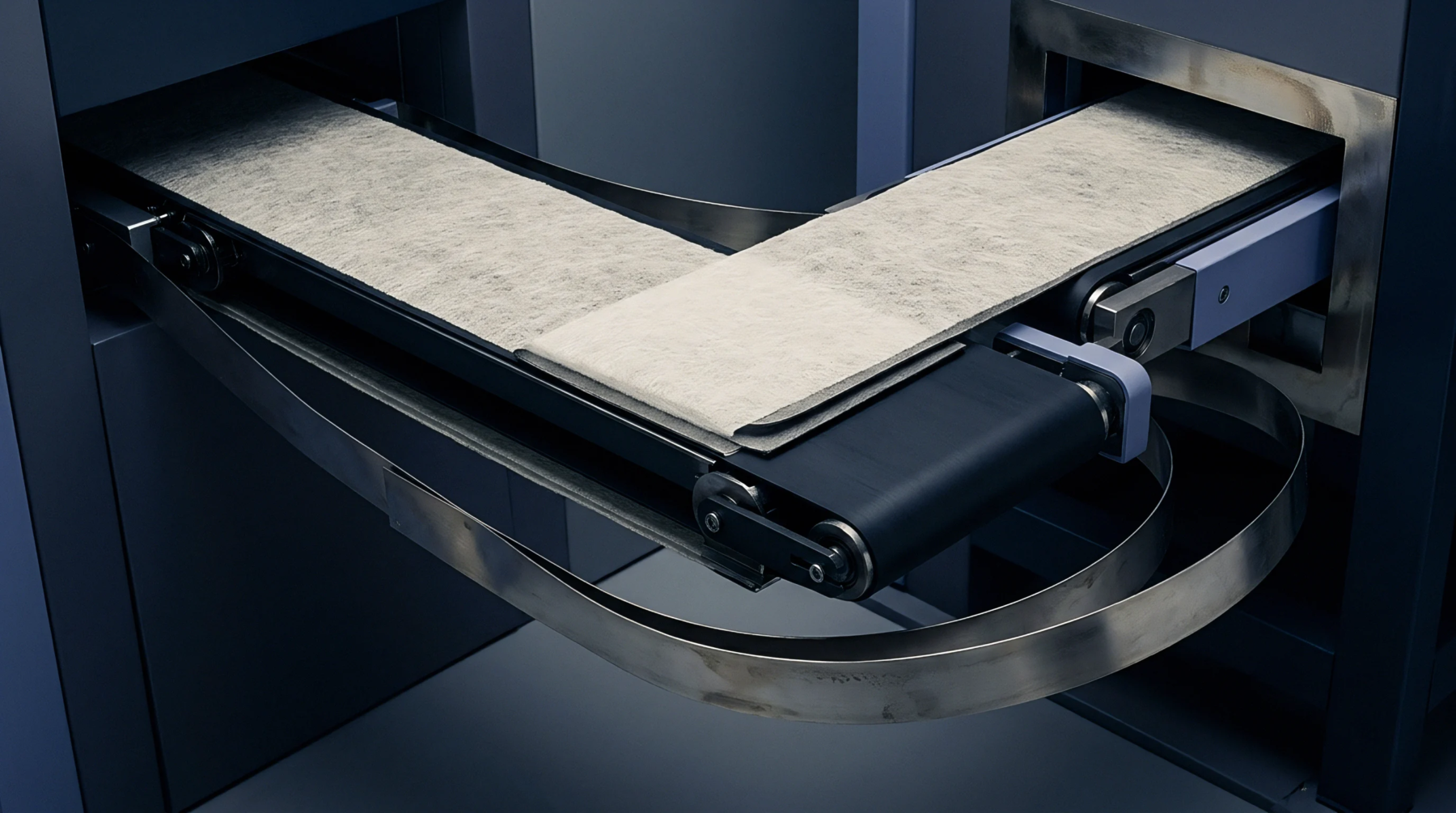
True cell impedance testing requires dedicated four-point Kelvin paths, inductive loop cancellation, and mechanical scrub to bypass contact resistance.

Four-wire Kelvin sensing isolates drive current from potential sensing, eliminating lead and contact resistance errors in sub-milliohm battery impedance tests.
Expertise is a utility, not a secret. sentiention™ publishes its working knowledge as open reference: intelligence layer covering the materials it sources, the markets it enters, and the reference that serves both.