Meaning
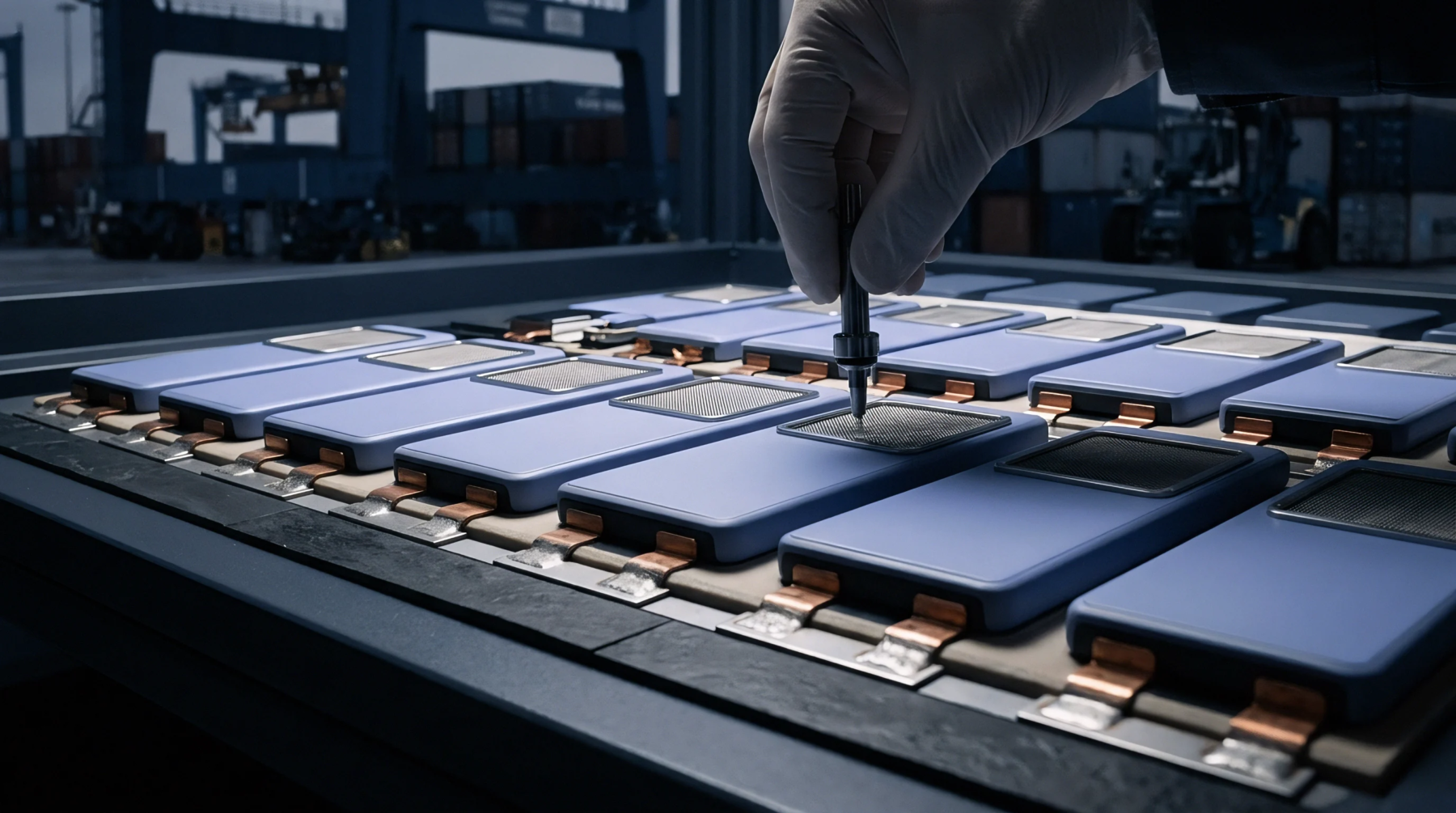
Mechanical housing provides the physical protection and load bearing capacity required to integrate a battery system into a vehicle or stationary application. Engineering of the pack structural enclosure focuses on shielding the cells from external impacts, moisture ingress, and vibration. This component often serves as a part of the vehicle chassis, contributing to the overall torsional stiffness.
Materials such as extruded aluminum or high strength steel are typically chosen for their strength to weight ratios.
Safety Function
Crashworthiness is a primary requirement for any battery system used in transportation. The pack structural enclosure must deform in a controlled manner during a collision to prevent the intrusion of sharp objects into the cell modules. Fire resistant linings are often added to the interior surfaces to contain potential thermal events.
Sealing Requirement
Environmental isolation is achieved through the use of gaskets and high precision welding at the joints. A robust pack structural enclosure maintains an IP67 or higher rating to ensure that water cannot reach the high voltage electronics. Pressure equalization vents allow the internal atmosphere to breathe without admitting humidity.
Weight Optimization
Integration of cooling channels directly into the base plate reduces the number of separate parts. A well designed pack structural enclosure minimizes dead weight while providing the mounting points for the battery management system and the busbars. Mass reduction at the enclosure level allows for more active material to be carried within the same total weight limit.