Meaning
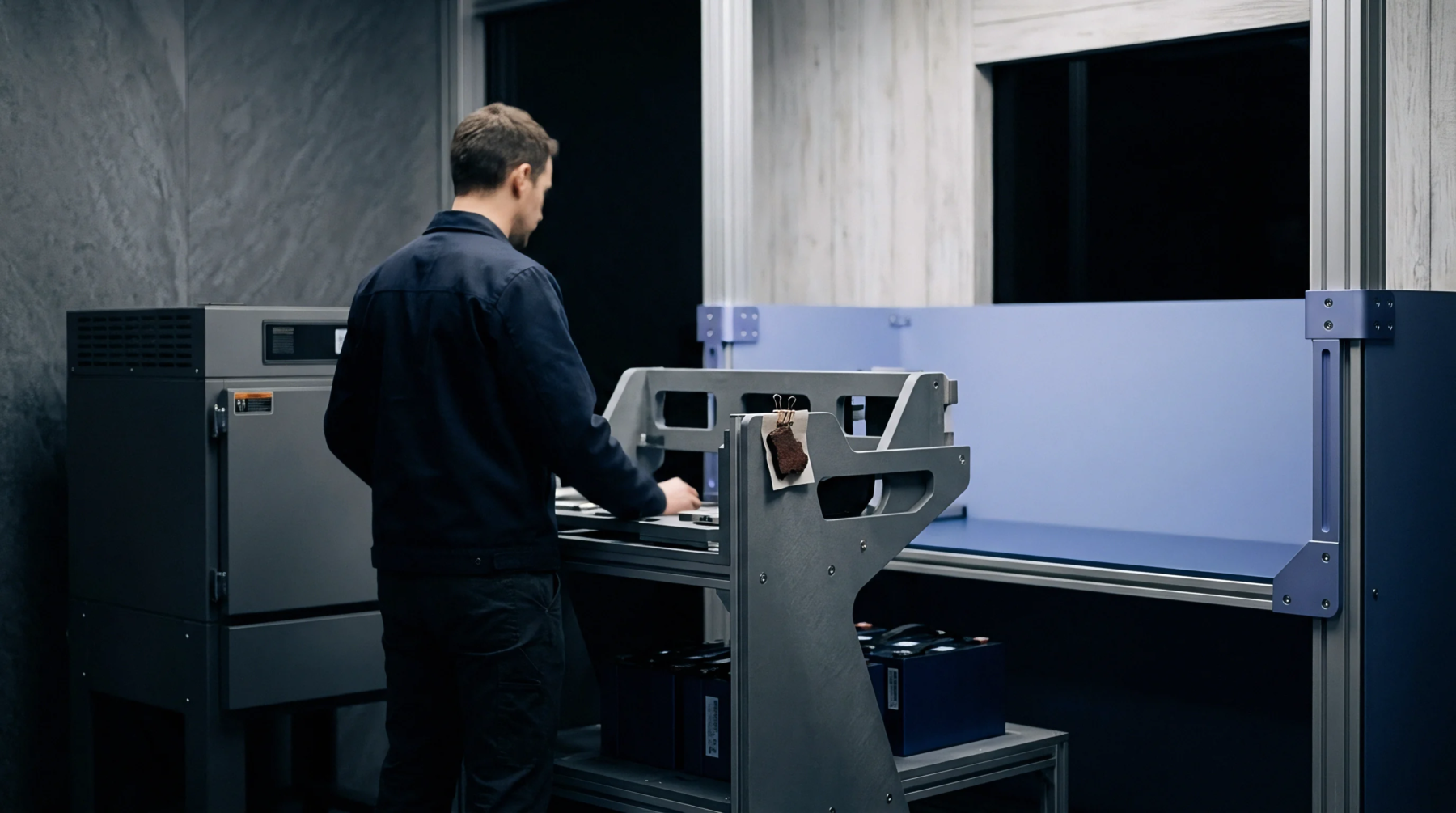
A manufacturing step removes the gases generated during the initial formation cycles of a soft-shelled battery to ensure a stable package. Pouch cell degassing typically involves puncturing a temporary gas pocket and applying a vacuum to extract the accumulated air and reaction byproducts. The cell is then permanently sealed to prevent any moisture or oxygen from entering.
This process is essential for preventing the battery from swelling during its service life.
Process Sequence
Puncturing the gas pocket occurs in a specialized chamber that controls the environment after the initial charging cycles are complete. The pouch cell degassing must be precisely managed to avoid removing the liquid electrolyte along with the gas. Automated systems handle the piercing and resealing to maintain high throughput.
Quality Assurance
Identifying defects in the formation process is possible by monitoring the volume of extracted gas. If an unusual amount is present, the pouch cell degassing stage reveals a problem with the electrode chemistry. Careful analysis of the gas helps maintain high standards for the finished product.
Mechanical Integrity
Removing gas pockets ensures that the internal components of the battery remain in close contact for optimal ion transport. Effective pouch cell degassing prevents localized high resistance and heat buildup. This leads to a more durable cell that can withstand the rigors of automotive use.