Meaning
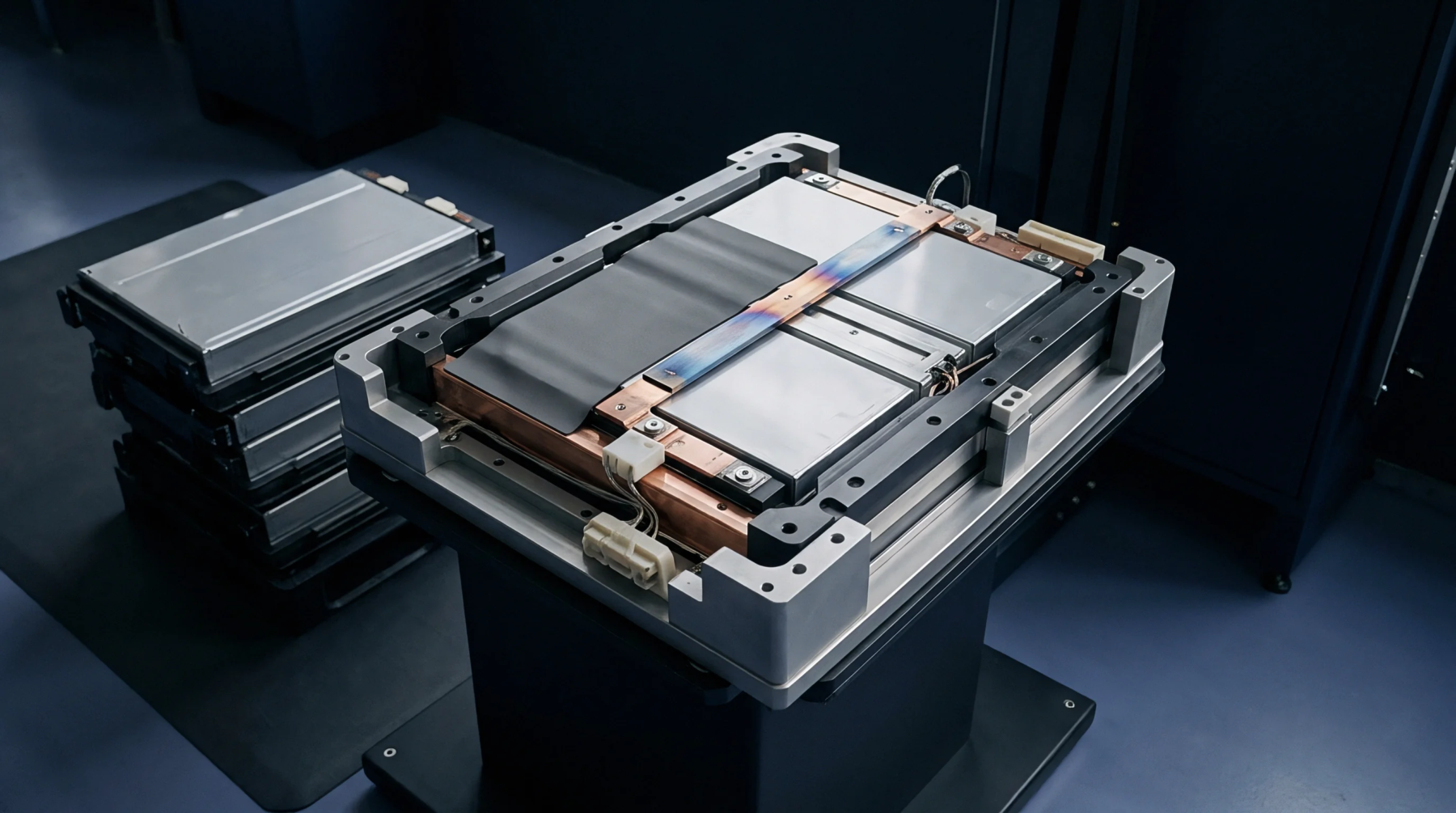
Sealed electrochemical energy storage units housed in rigid, rectangular metallic or plastic casings optimize volume and packaging density in battery packs. The use of prismatic lithium-ion cells is widespread in electric vehicle and stationary energy storage applications due to their efficient space utilization and durable mechanical protection. This form factor contrasts with cylindrical and pouch cell designs.
Mechanical Design
Internal electrode assemblies are either wound or stacked and then inserted into the rectangular can before the top cover is welded in place. Most prismatic lithium-ion cells incorporate integrated safety vents and threaded terminals to simplify pack assembly and enhance pressure relief. The rigid exterior resists moderate swelling that occurs during charge and discharge cycles.
Sourcing Advantage
Large-capacity formats allow pack designers to use fewer individual cells, which reduces the complexity of the battery management system and connection busbars. Procurement managers favor prismatic lithium-ion cells for high-power applications because they offer a mature, standardized supply chain with highly competitive pricing. This standardization streamlines the sourcing and qualification processes.
Integration Challenge
Thermal management must be carefully designed because the flat, broad surfaces of these cells can create uneven temperature gradients if not cooled uniformly. Additionally, the mechanical layout must account for the expansion forces of the prismatic lithium-ion cells to prevent premature degradation of the active materials. Stiff compression pads are typically placed between cells to maintain optimal pressure, which ensures a longer cycle life and prevents the cells from shifting or suffering physical damage during high-vibration operations.