
Primary UN 38.3 Transport Testing Requirements for Lithium Cell Shipments
UN 38.3 qualification requires passing T.1-T.8 abuse tests and securing a standardized test summary certified at 30% state of charge for air carriage.
UN 38.3 qualification requires passing T.1-T.8 abuse tests and securing a standardized test summary certified at 30% state of charge for air carriage.

Uncertified lithium battery consignments move legally under Special Provision 310 and PI 910 packaging with state competent authority flight permits.

Prototype cell shipments require competent authority permits and Packing Group I containment while contracts shift all carrier diversion risks to shippers.

Subcontractor cell certification gaps expose shippers to strict aviation liability that contracts cannot shift without direct manufacturer test assignments.
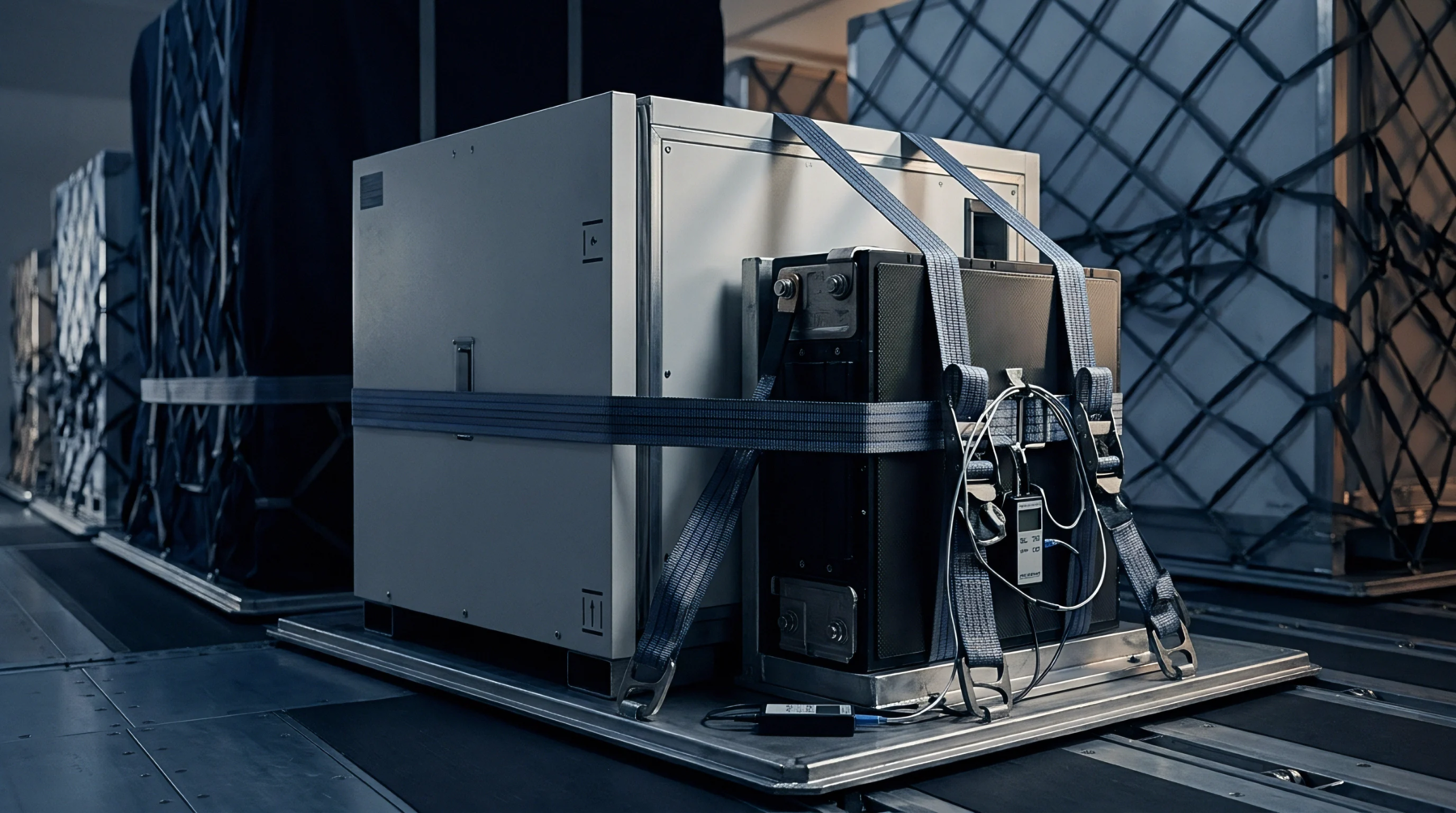
Compliant test summaries and strict state of charge verification insulate shippers against carrier refusals and redirect downstream demurrage costs to suppliers

Evanescent fiber-optic signal separation detects sub-micron lithium plating in pouch cells before voltage shifts appear, requiring validated hermetic tab seals.
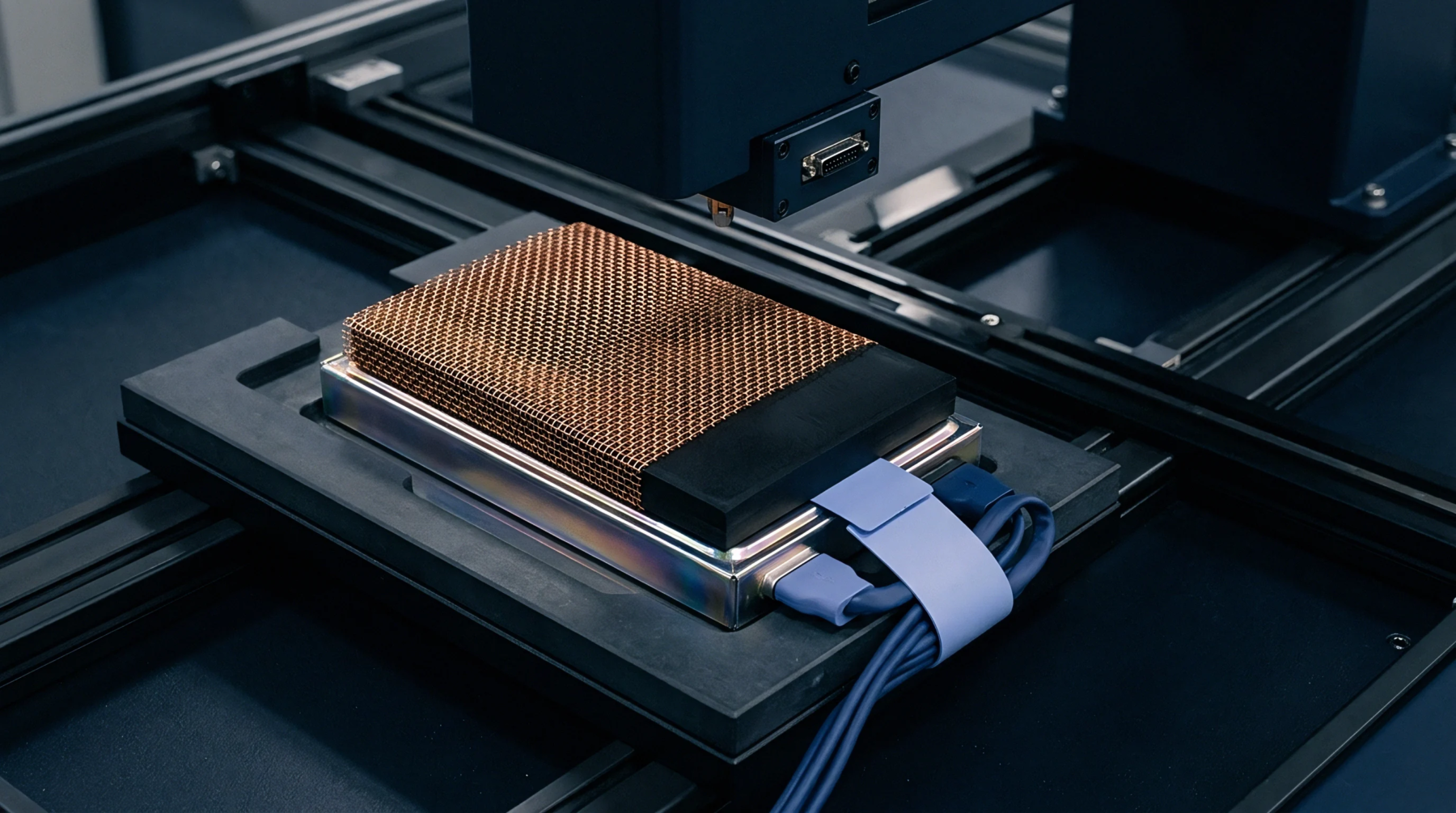
Air freight clearance for lithium batteries demands a fully compliant UN 38.3 test summary matching cell serials, state of charge, and IATA packing rules.

Uncertified cell freight moves legally under Special Provision exemptions; contract terms must shift dangerous goods declaration liabilities to origin shippers.

Buyers secure full indemnification and third-party laboratory verification before accepting lithium transport summaries to prevent impoundment liabilities.

UN 38.3 test summaries supply ten mandatory technical data points verifying cell safety across global freight networks under international shipping laws.
Expertise is a utility, not a secret. sentiention™ publishes its working knowledge as open reference: intelligence layer covering the materials it sources, the markets it enters, and the reference that serves both.