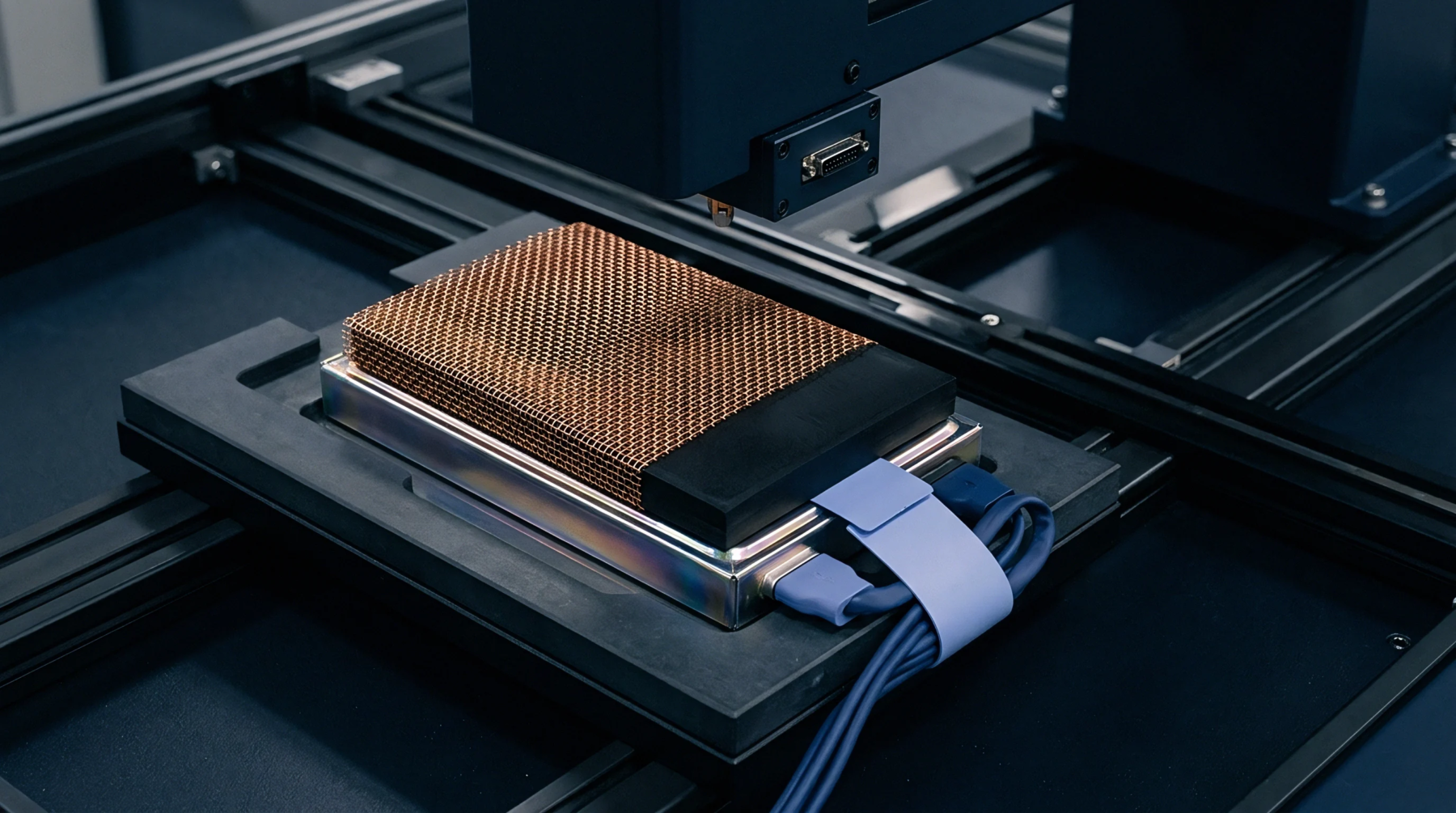
UN 38.3 Test Summary Verification Requirements for Air Freight Clearance
Air freight clearance for lithium batteries demands a fully compliant UN 38.3 test summary matching cell serials, state of charge, and IATA packing rules.
Air freight clearance for lithium batteries demands a fully compliant UN 38.3 test summary matching cell serials, state of charge, and IATA packing rules.
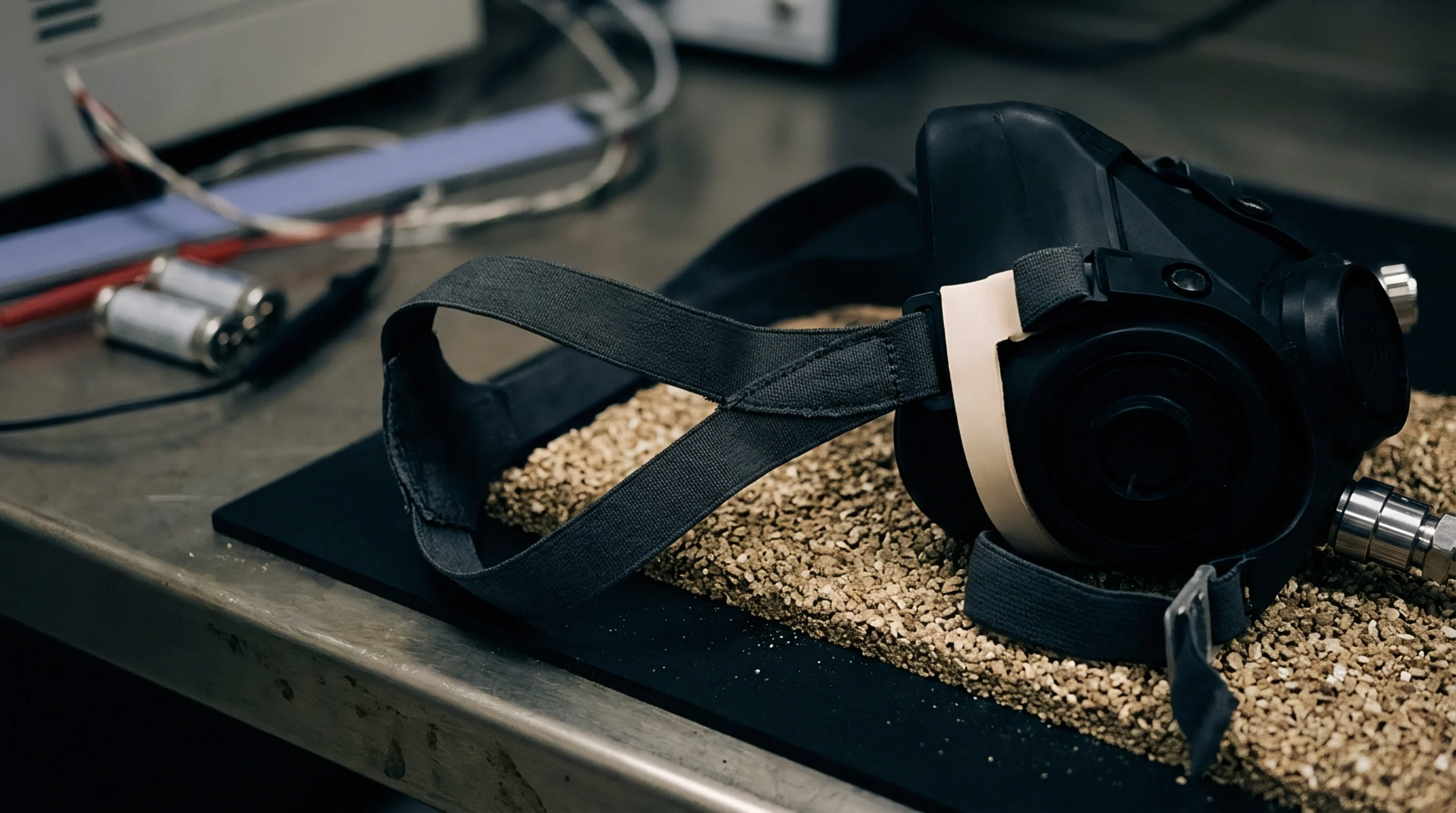
Managing transsemantic battery compliance requires direct alignment of cell test summaries, customs records, and shipping labels with destination border laws.

Auditing UN 38.3 dossiers requires verifying full lab reports against 38.3.5 summaries, checking ILAC accreditation, and confirming physical cell mass tolerances.
Validating ISO 17025 lab schedules and continuous cell batch traceability prevents air transport cargo rejection and shifts regulatory liability to suppliers.

Buyers secure full indemnification and third-party laboratory verification before accepting lithium transport summaries to prevent impoundment liabilities.
Contractual risk transfer for battery logistics requires strict UN 38.3 documentation covenants, state-of-charge limits, and un-capped seller indemnities.
UN 38.3 test summaries supply ten mandatory technical data points verifying cell safety across global freight networks under international shipping laws.
Subcontracted battery test summary defects trigger customs seizures, exposing importers to demurrage and fines solvable only via uncapped indemnities.
Customs clearance for imported cells requires an authenticated UN 38.3.5 test summary, compliant SDS, and validated laboratory scopes to pass border entry audits.

UN 38.3 limits lithium cell solvent leakage during transport through strict mass loss thresholds and zero visual electrolyte loss criteria across T.1-T.8 tests.

Cross-border battery contracts must pair UN 38.3 compliance warranties with uncapped indemnities and standby letters of credit to offset demurrage and seizure risks.
Auditing freight forwarder dangerous goods acceptance requires validating UN 38.3.5 test summaries, 30 percent state of charge limits, and packaging integrity.

Importing lithium batteries demands verifying UN 38.3.5 test summaries, ISO 17025 lab scope, state of charge limits, and importer dossier records.
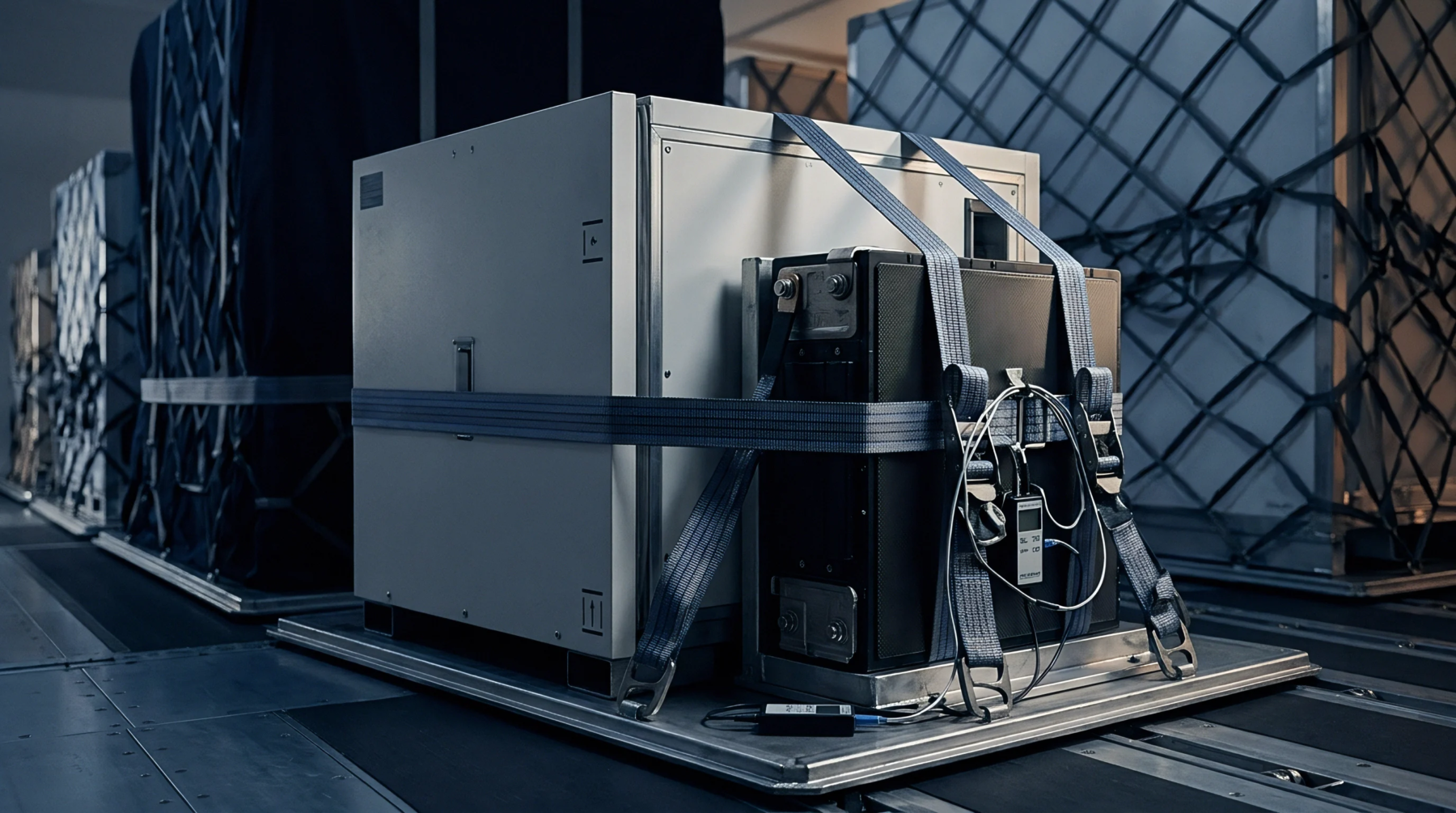
Lithium cell shipments require UN 38.3 bench qualification, 30 percent state-of-charge air caps, Class 9 packaging, and verified 10-field test summaries.
Expertise is a utility, not a secret. sentiention™ publishes its working knowledge as open reference: intelligence layer covering the materials it sources, the markets it enters, and the reference that serves both.