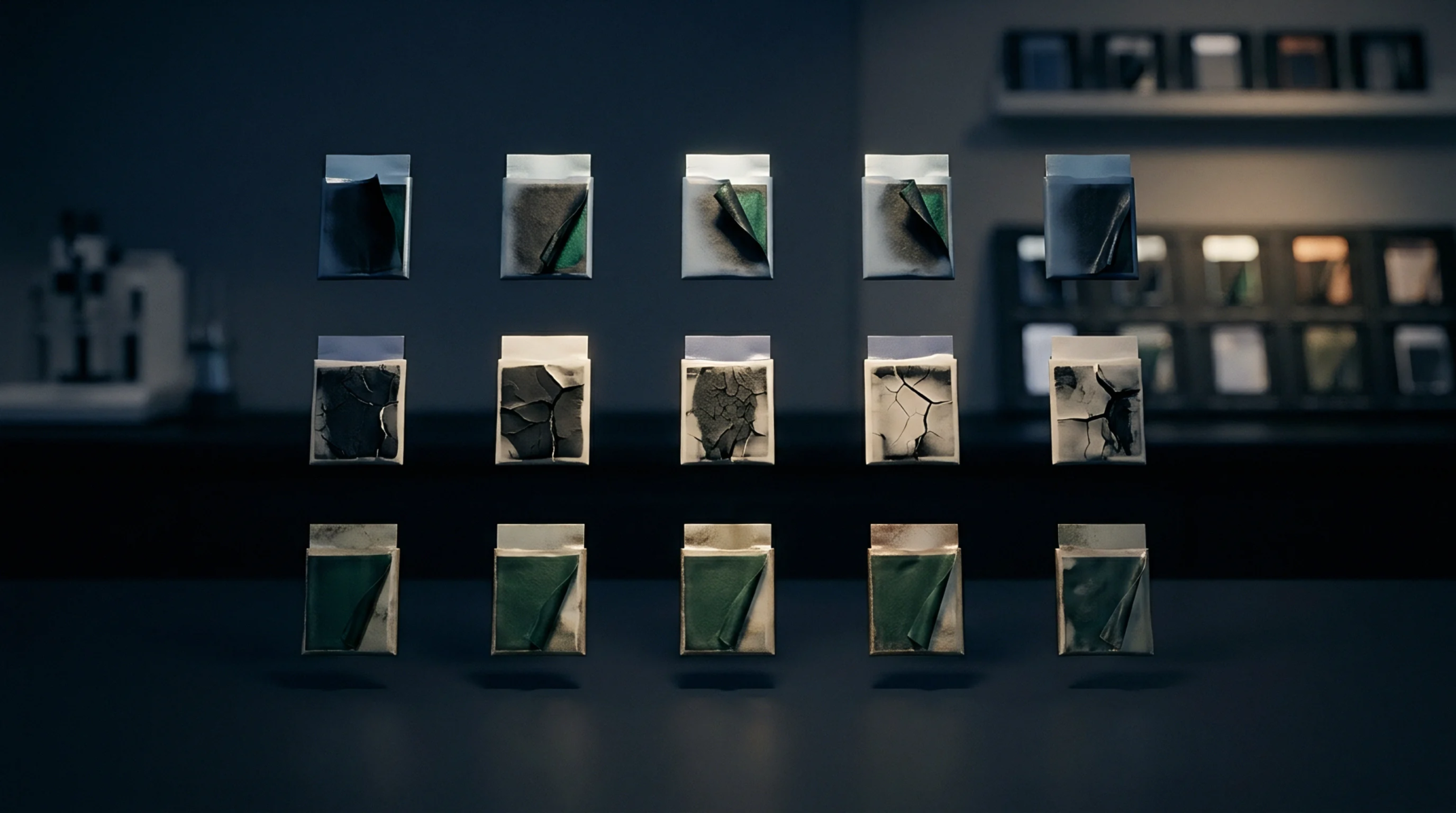
Defect Passivation Temperature Windows in Sodium Ion Anode Production
Optimal defect passivation windows between 1100°C and 1300°C balance hard carbon surface area reduction, initial efficiency, and long-term cycle degradation.
Optimal defect passivation windows between 1100°C and 1300°C balance hard carbon surface area reduction, initial efficiency, and long-term cycle degradation.
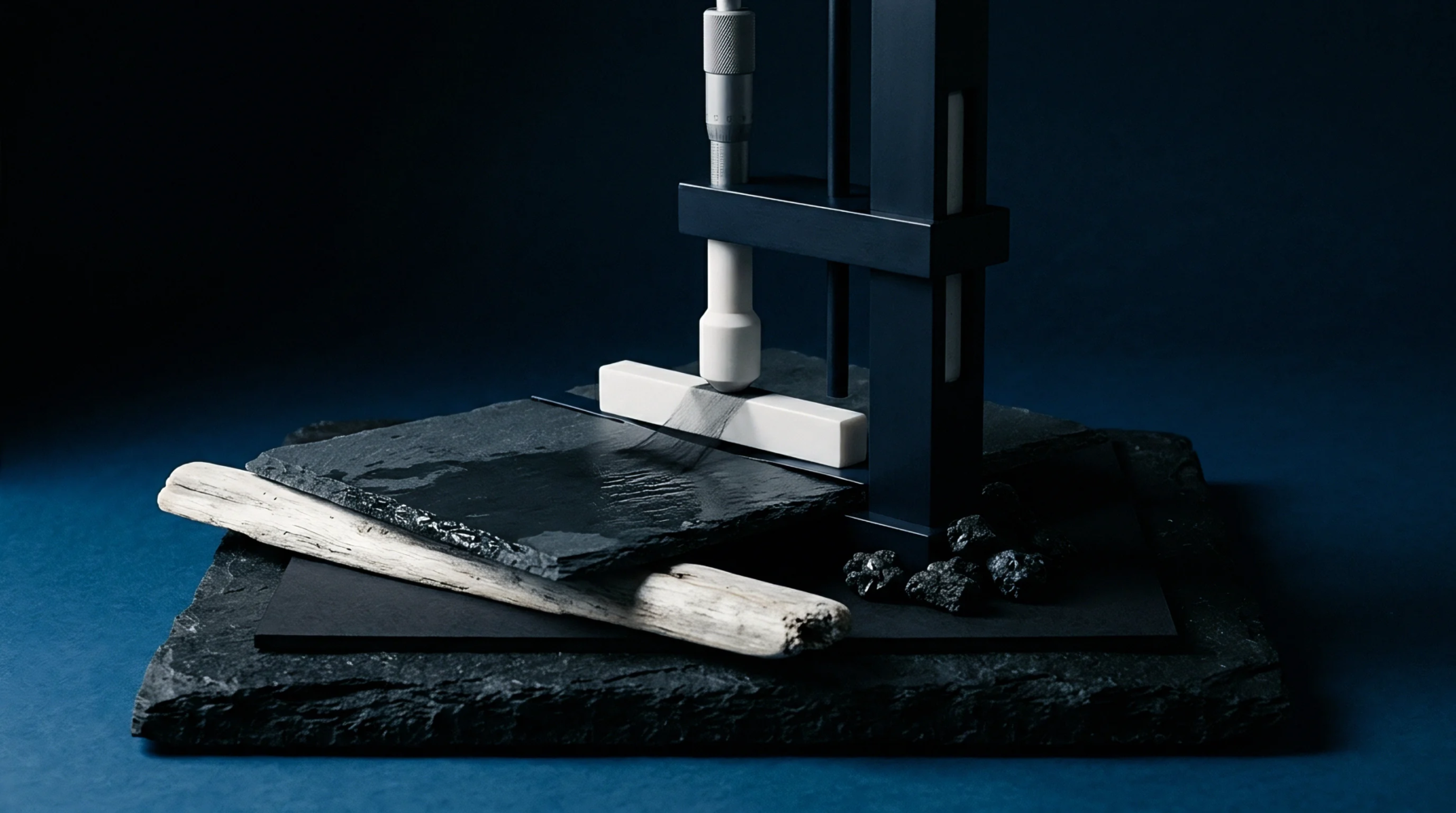
Acid deashing and controlled oxygen removal during thermochemical dehydration reduce ash below 300 ppm to enable hard carbon initial coulombic efficiency above 85 percent.
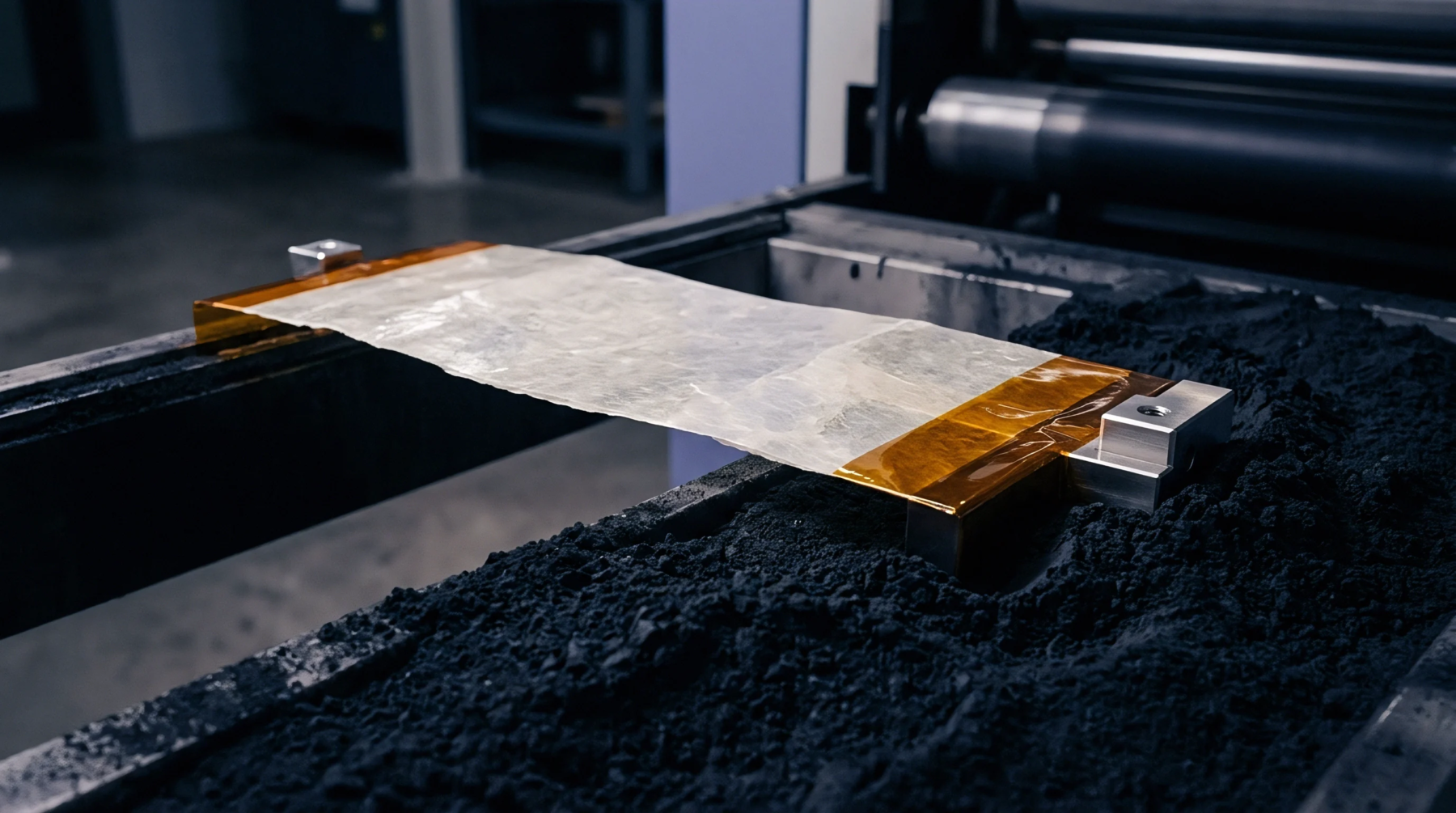
Thermomechanical strain relaxation at 1400 °C coupled with gas-phase defect passivation elevates hard carbon initial efficiency past 90 percent.
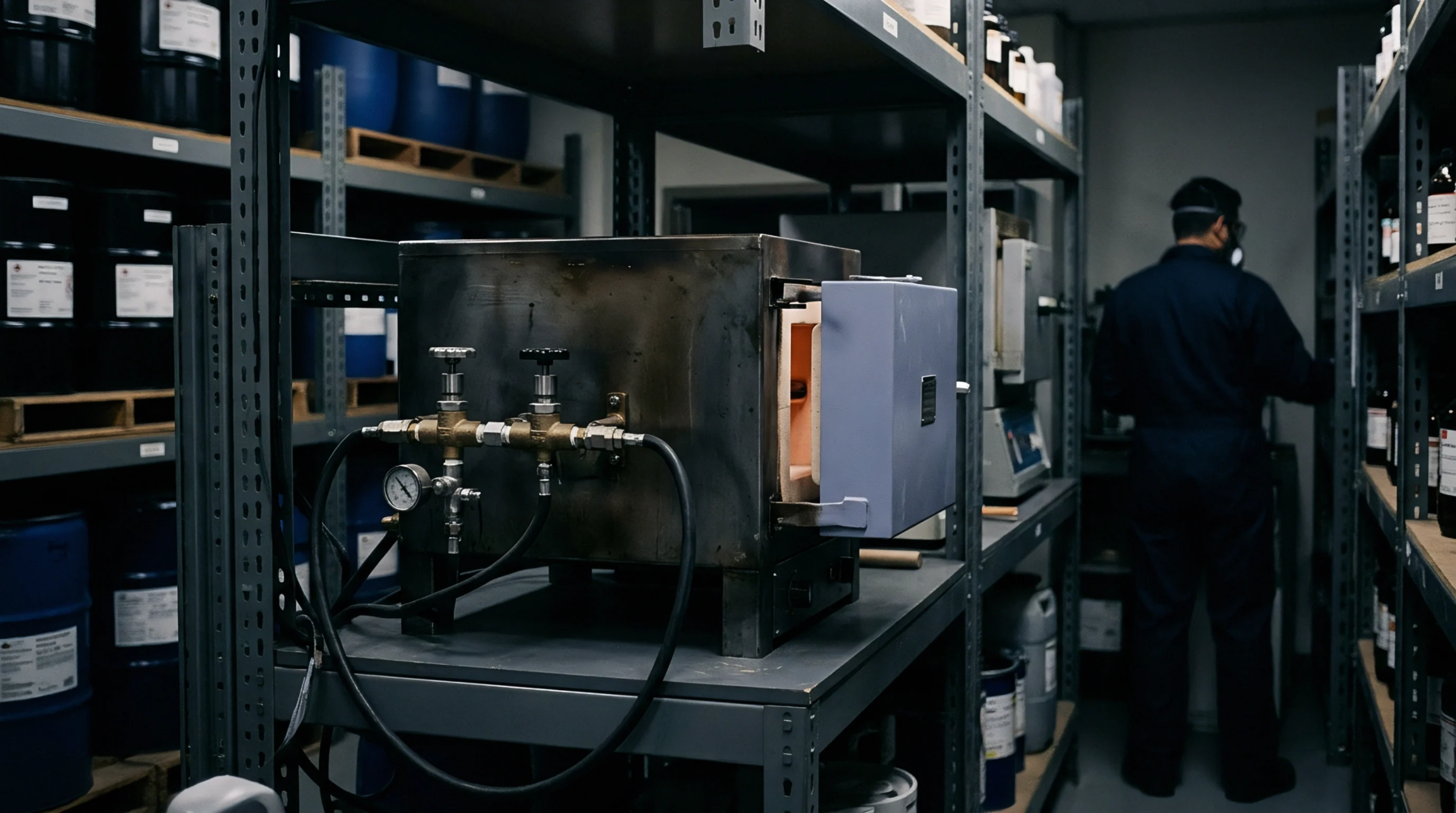
Thermal processing of hard carbon precursors regulates d002 interlayer spacing and closed microporosity to optimize sodium storage capacity and coulombic efficiency.
Hard carbon performance depends on precursor crosslinking and thermal calcination profiles that balance interlayer spacing, closed porosity, and surface area.
Expertise is a utility, not a secret. sentiention™ publishes its working knowledge as open reference: intelligence layer covering the materials it sources, the markets it enters, and the reference that serves both.