Meaning
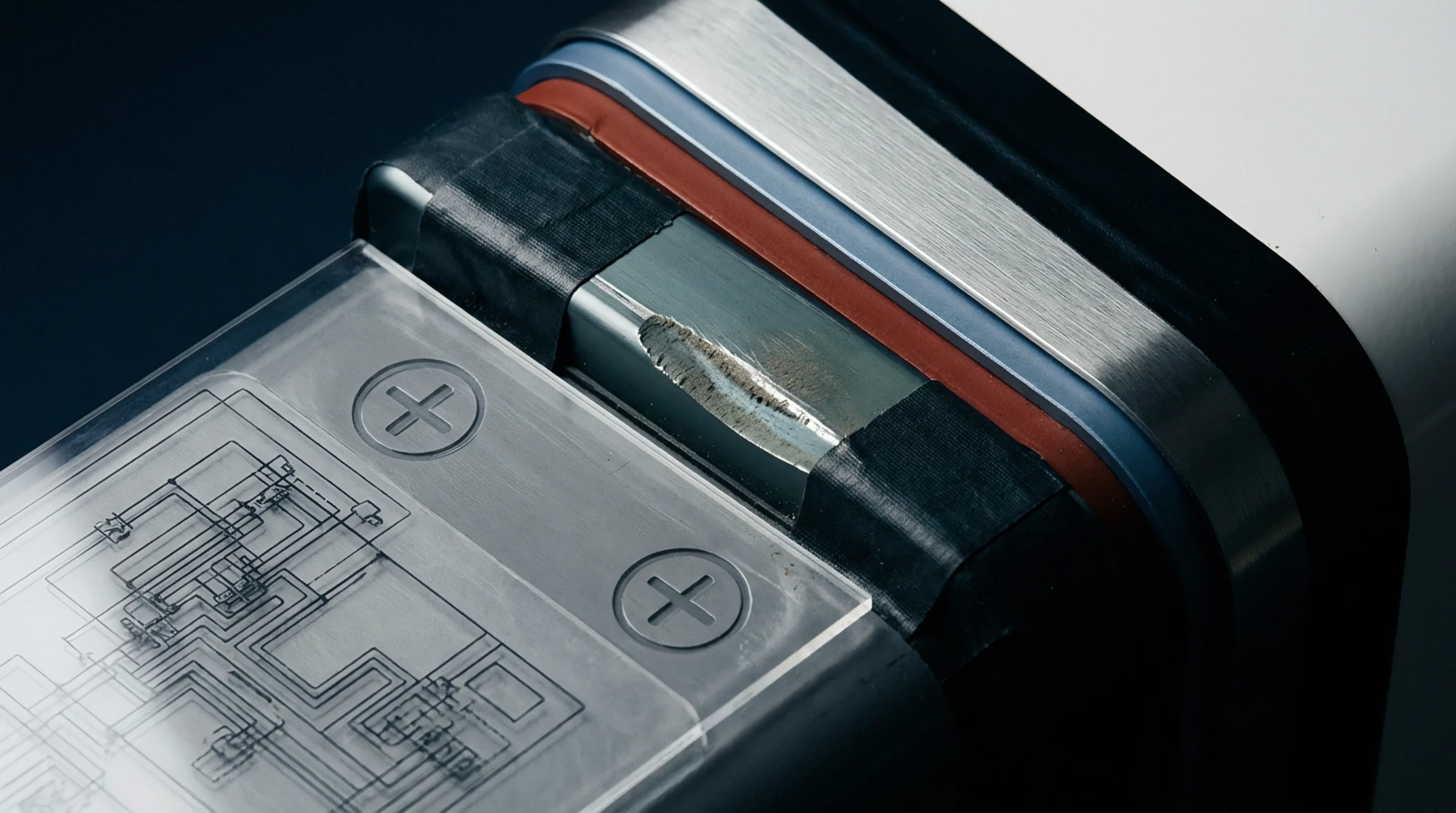
Standardized physical challenge that subjects battery units to repeated high force decelerations to replicate severe transit impacts or accidental drops. This t4 mechanical shock test is part of the UN 38.3 sequence and evaluates the internal assembly integrity of cells and larger battery modules. It measures if the electrode connections or internal protection circuits can withstand forces equivalent up to one hundred and fifty times the force of gravity.
The test sequence stops once the units have been shocked eighteen times across six perpendicular directions. Quality engineers use this protocol to ensure that power cells do not develop internal short circuits during shipping or usage in vibration-heavy environments.
Force Application
Acceleration curves are tailored to match the specific mass and size of the energy storage item being evaluated. During a t4 mechanical shock test the lab secures the items to a calibrated table that moves with precise speed and impact limits. These shocks are delivered in rapid bursts to see if any spot welds at the tabs become fractured or lose conductivity.
If the internal structure is not secured well, the shifting layers will cause voltage fluctuations that damage the device logic. Observation of the battery happens both during the impact and throughout a week-long recovery period. Reliable results indicate that the casing material is sufficient to shield the chemical components from massive physical trauma.
Internal Integrity
Stability of the battery jelly roll or stack is checked to confirm that no movement occurred during the session. Evidence from the t4 mechanical shock test shows whether the separators remained in their correct place or shifted to expose metal components. Movement inside the cell casing is the primary cause of sudden failure after a battery appears to survive a drop unharmed.
Using high voltage meters, technicians verify that there is no change in the open circuit voltage of the units post-impact. This documentation is required for manufacturers to obtain insurance for large scale shipping operations across oceans. Testing avoids the hidden damage that could lead to consumer fires later in the life of the product.
Regulatory Verification
Inclusion in the transport safety summary provides buyers with the assurance that the goods are robust enough for standard handling. A successful t4 mechanical shock test indicates that the battery is ready for the rigors of commercial logistics and final use in handheld devices. If a supplier fails this section, it often indicates poor manufacturing precision or low quality raw material choices in the assembly process.
Auditors look for the specific pulse duration and peak acceleration recorded in the laboratory files. This transparency helps clear international customs by providing proof that the products are not prone to self ignition after common logistics delays. Verified passes set a baseline for mechanical expectations between suppliers and original equipment producers.