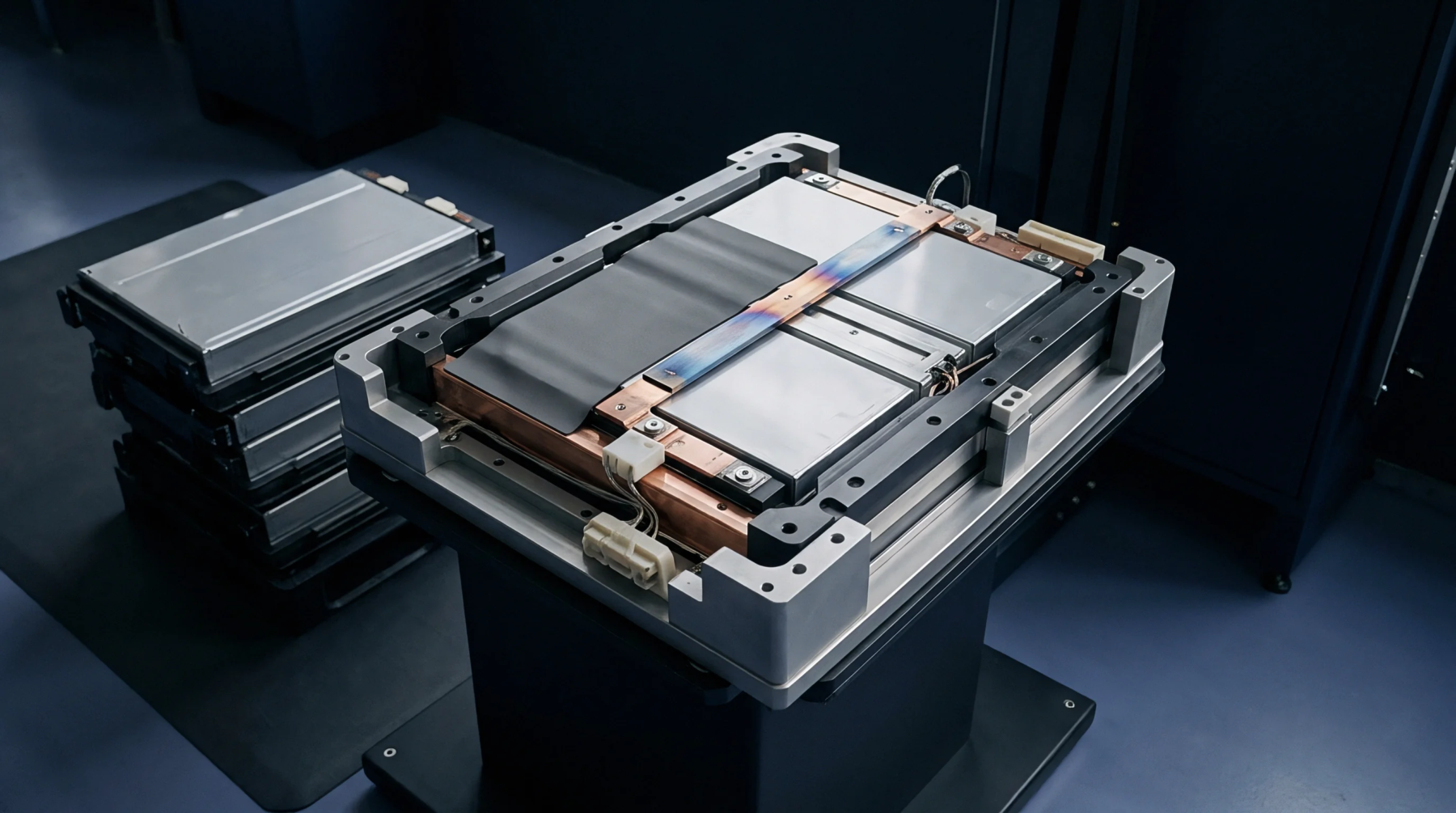
Statistical Sampling Plans for Incoming Prismatic Lithium Cell Shipments
Incoming prismatic cell sampling relies on ISO 3951-1 variable plans and ISO 2859-1 attribute plans to reject defective lots before module integration.
Incoming prismatic cell sampling relies on ISO 3951-1 variable plans and ISO 2859-1 attribute plans to reject defective lots before module integration.
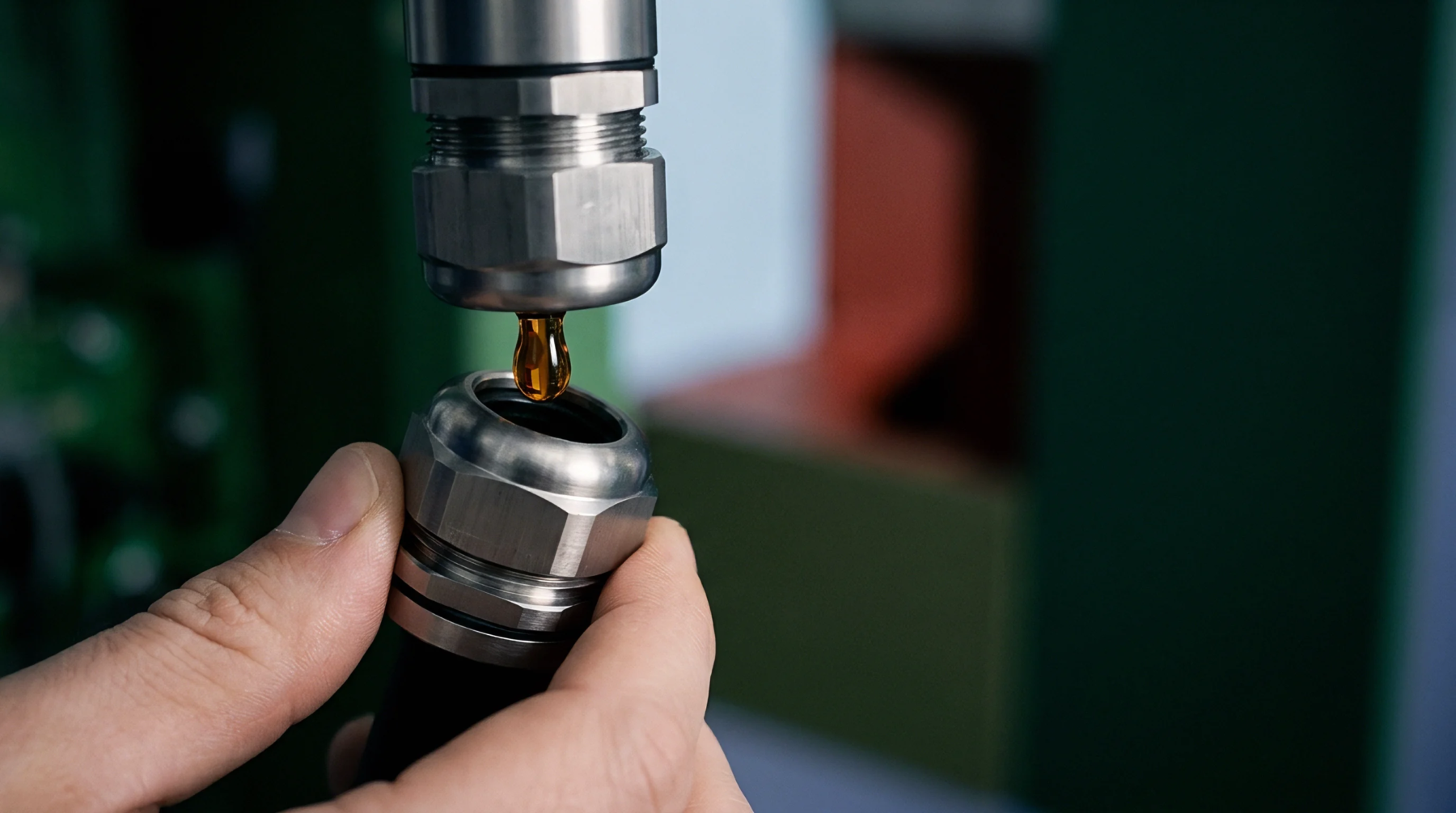
Sub-micron seal defects drive long-term carbonate solvent effusion via Knudsen diffusion, elevating cell impedance and risking transport safety compliance.
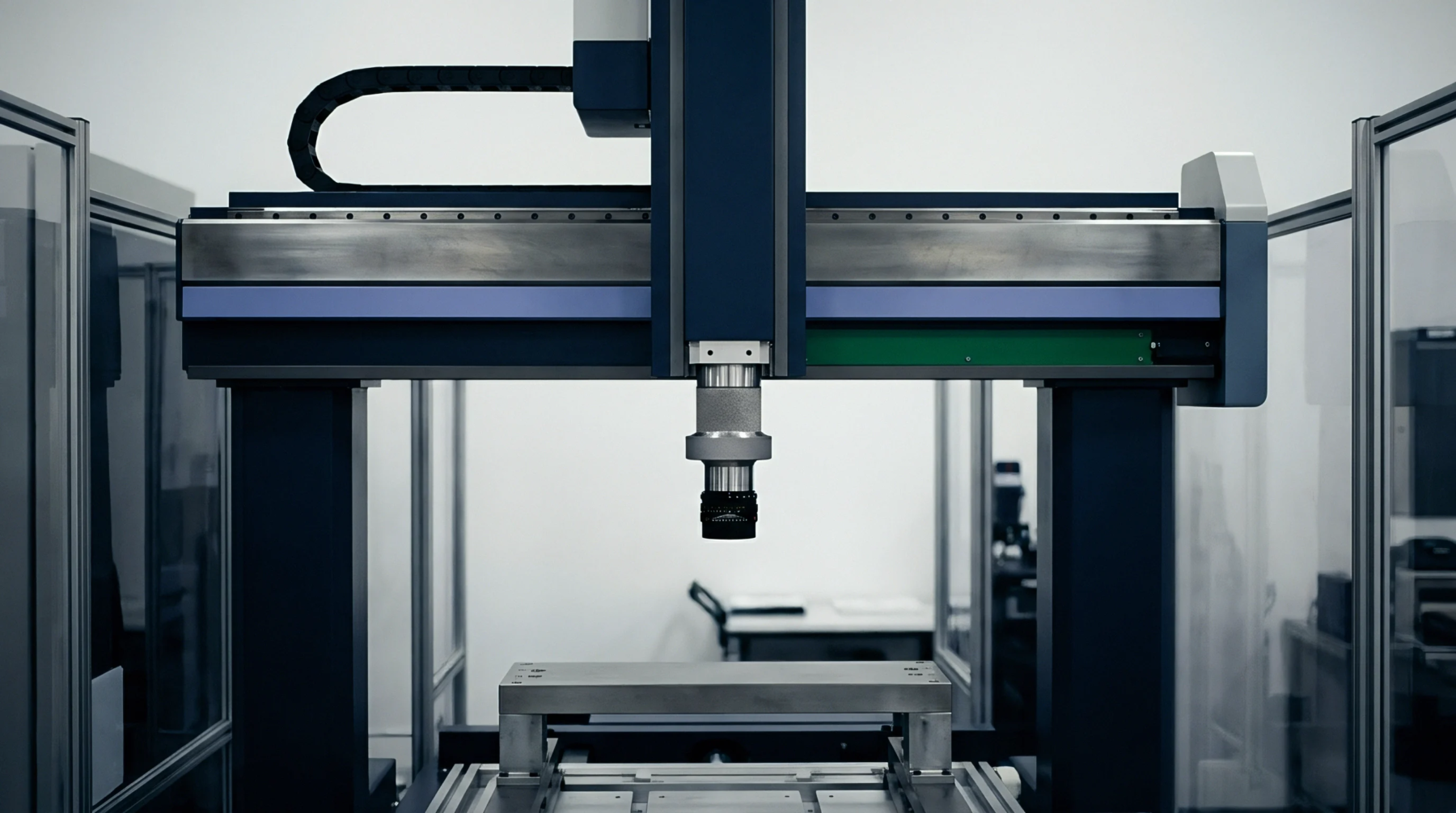
Micro leak rates above 1.0e-6 mbar L/s drive moisture ingress and hydrofluoric acid formation, degrading lithium ion cell capacity and triggering transport failure.
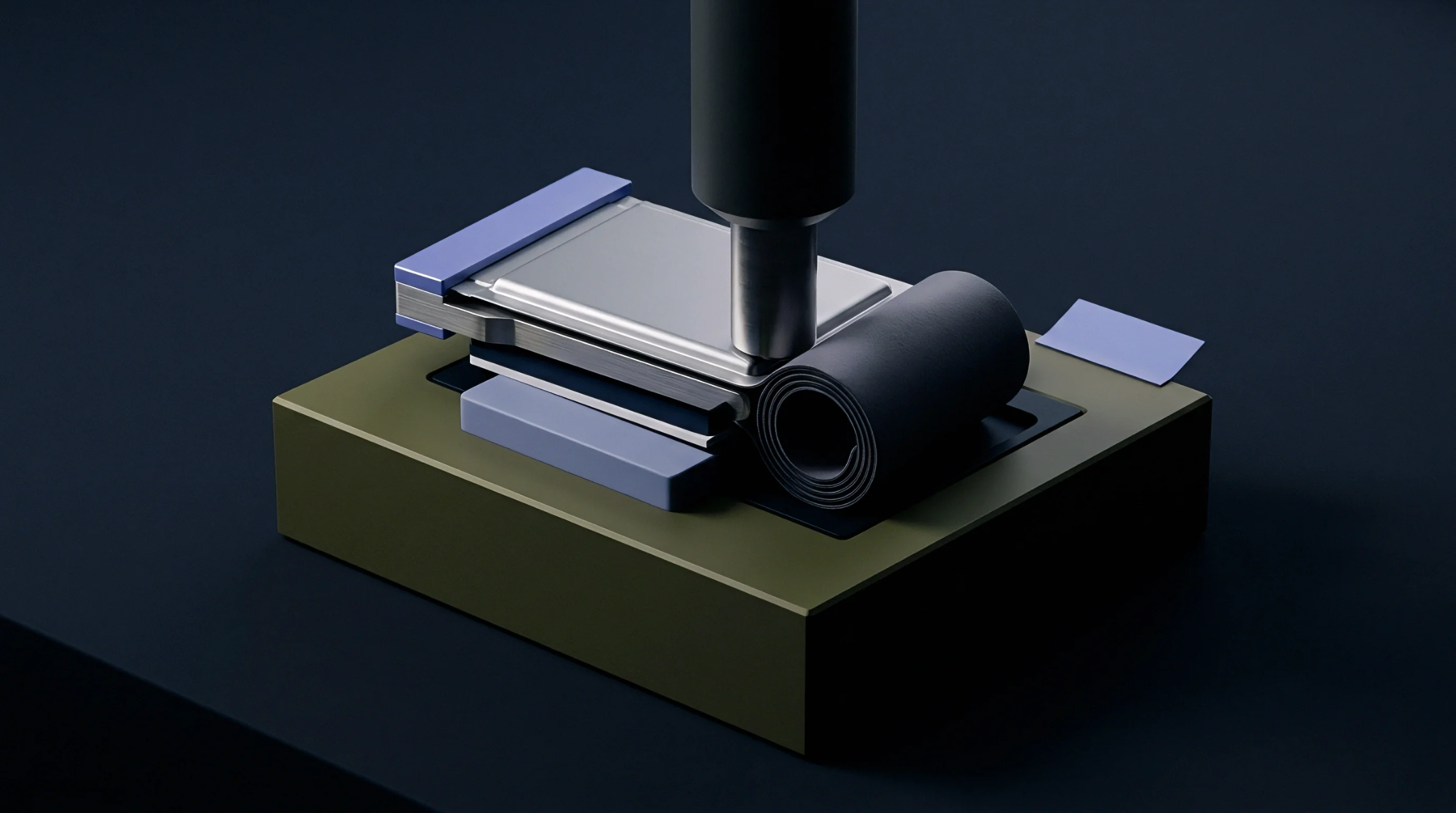
Helium mass spectrometry isolates sub-micron battery seal defects down to 10-12 mbar·L/s, preventing field electrolyte drying and moisture ingress.
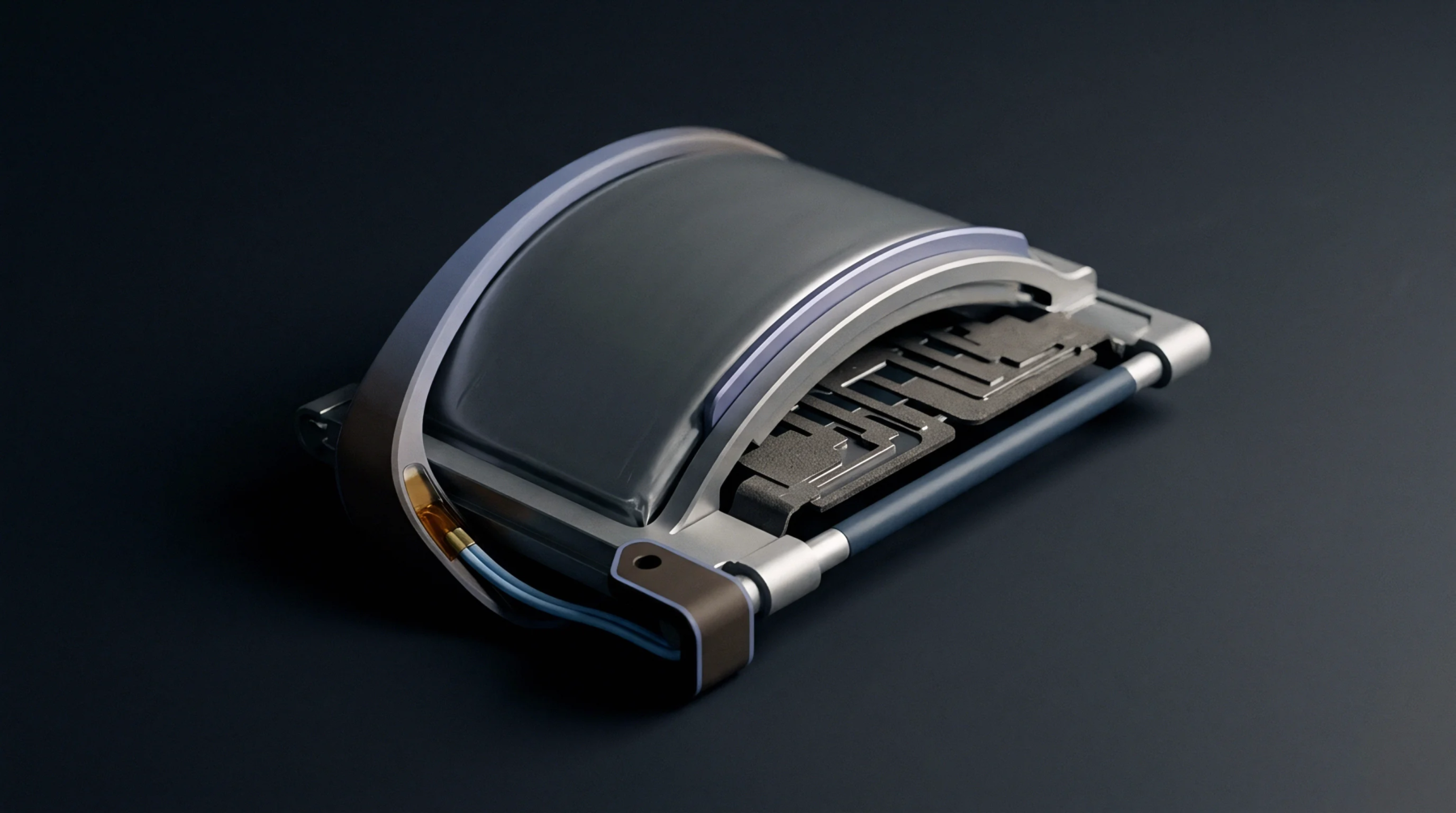
Standard air equivalent leak conversions transform empirical helium mass spectrometer readings into precise air ingress and solvent loss metrics for pouch cells.

Electrolyte solvent headspace analysis detects micro-leaks down to 1E-8 mbar L/s by quantifying vaporized carbonate signatures from battery seal fissures.
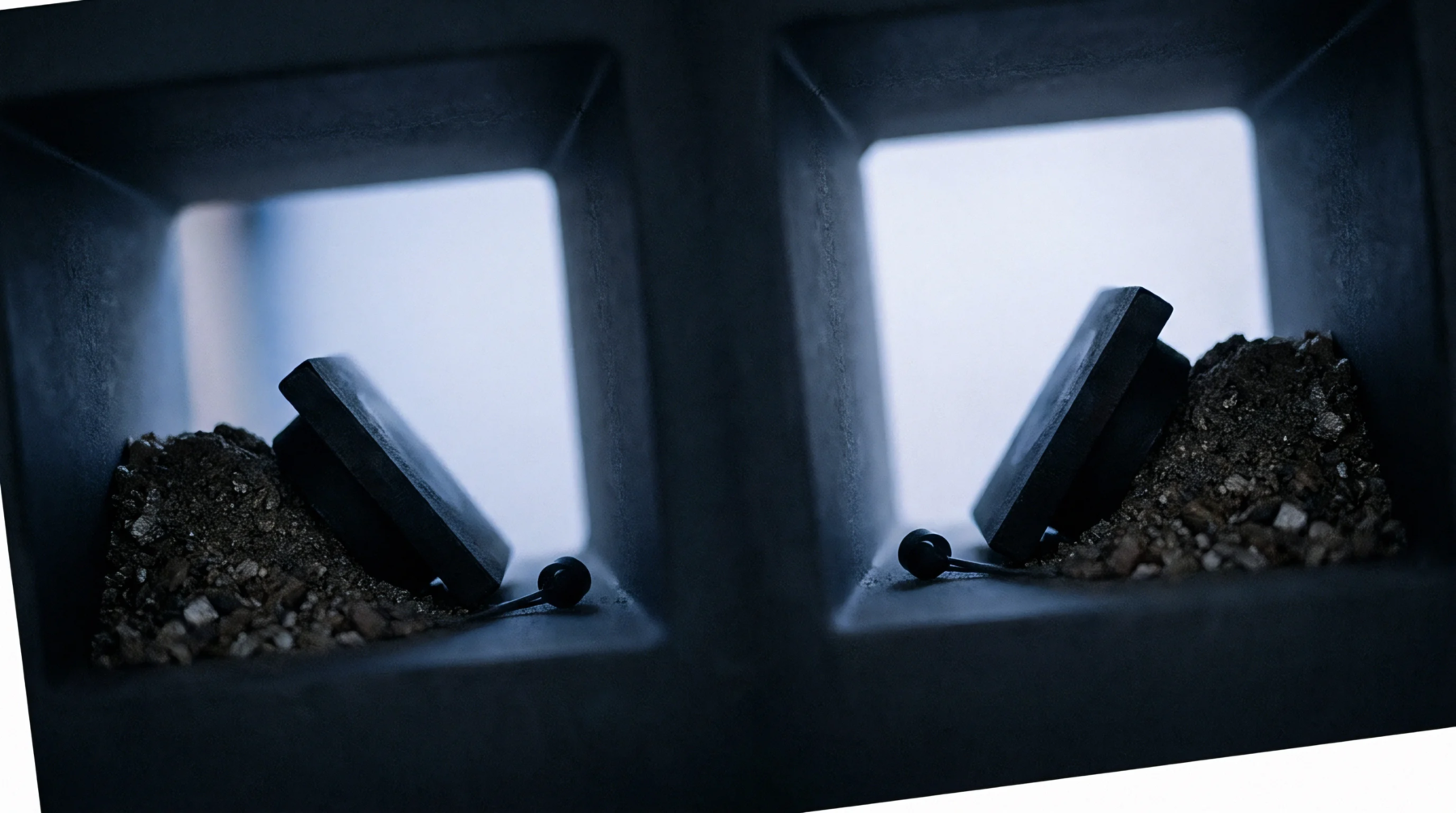
Solvent egress quantification demands micro-gravimetric balance tracking with air buoyancy corrections and chemical speciation to verify hermetic seal limits.
UN 38.3 limits lithium cell solvent leakage during transport through strict mass loss thresholds and zero visual electrolyte loss criteria across T.1-T.8 tests.
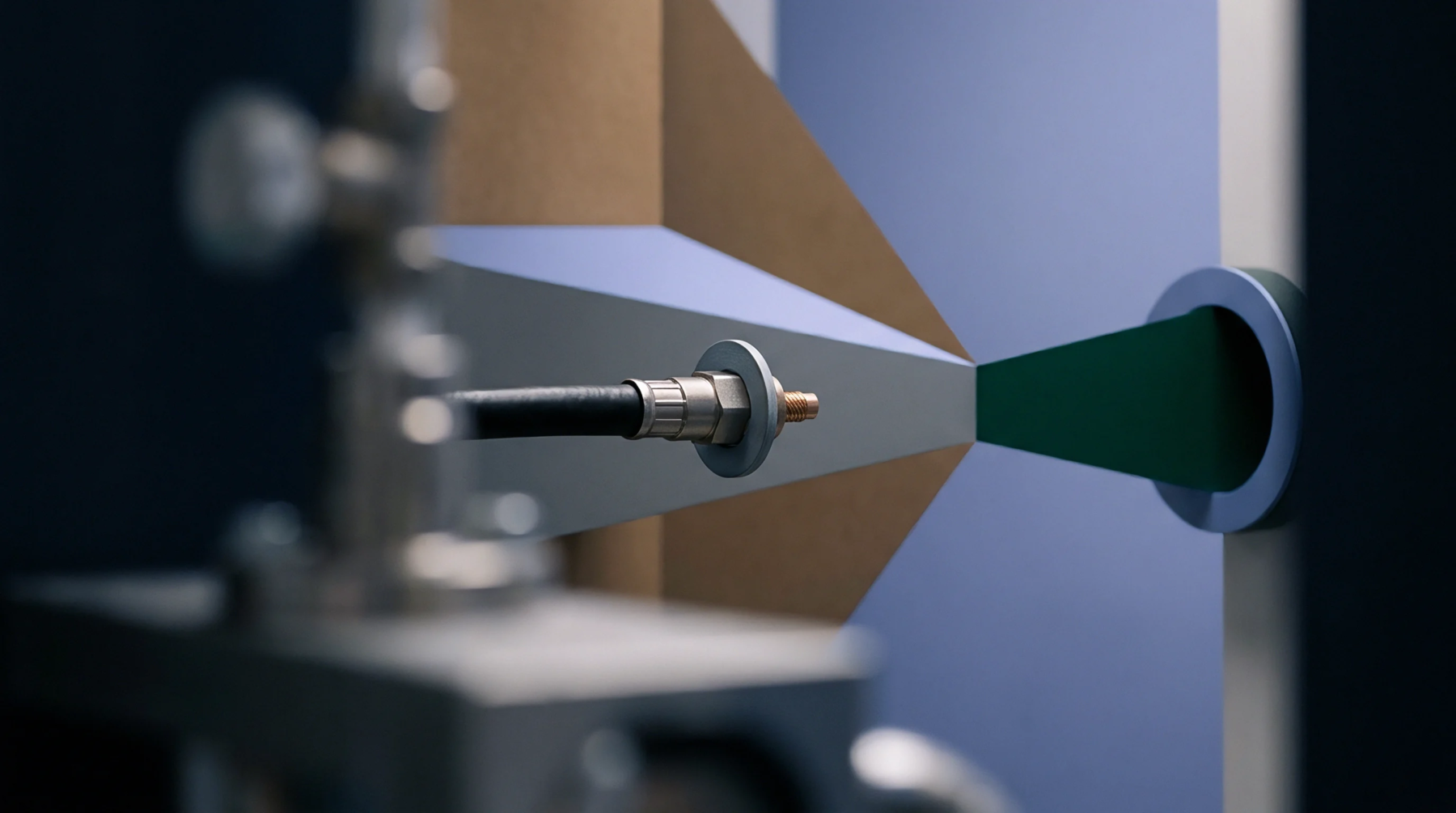
Inline helium mass spectrometry detects sub-micron battery envelope leaks down to 10-8 mbar l/s, preventing moisture-induced HF corrosion and solvent loss.
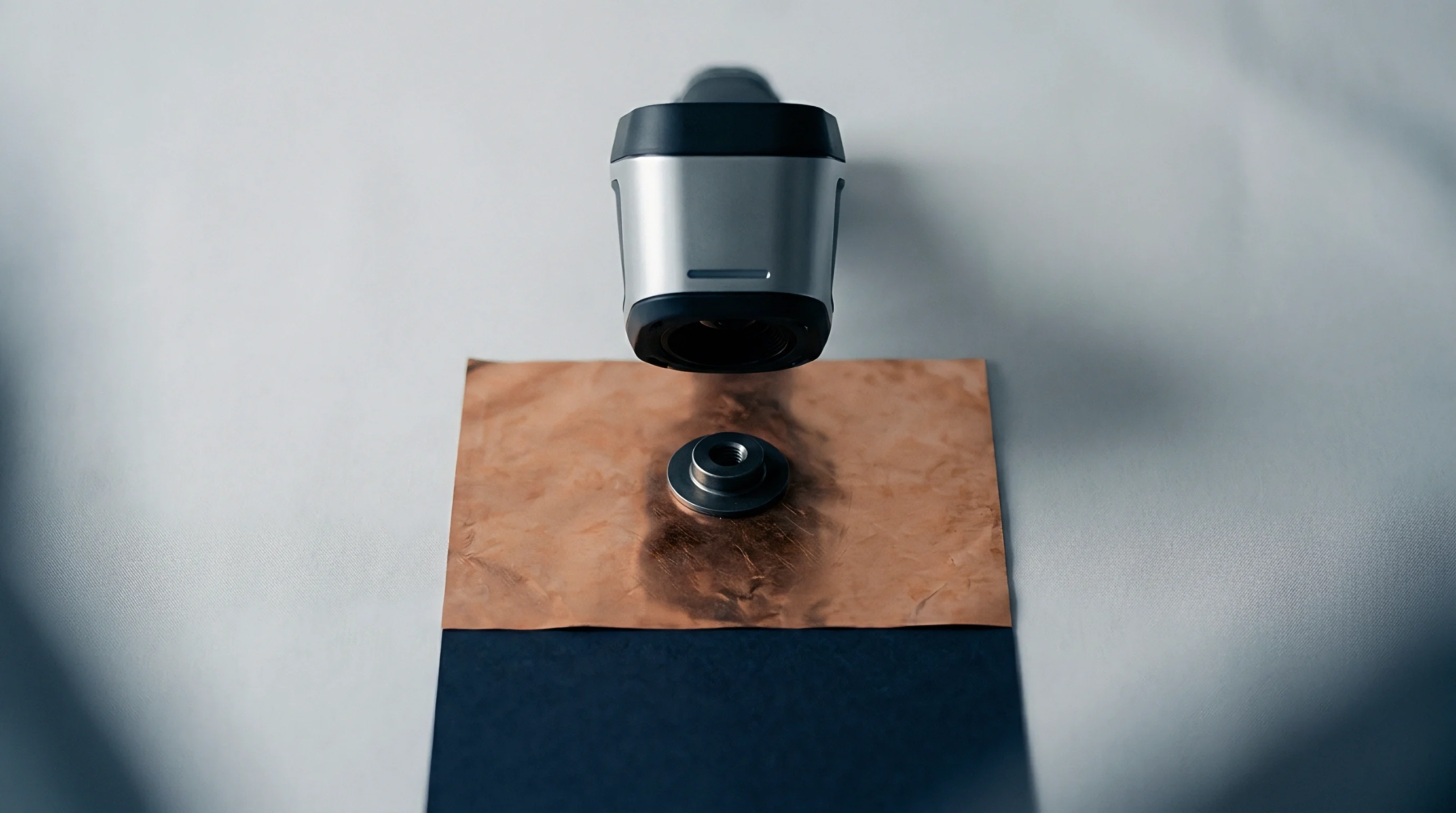
Heat seal micro-voids expand under altitude depressurization, requiring helium leak rates below 10^-6 mbar L/s to prevent electrolyte dry-out and UN 38.3 failure.
Commercial pouch cell procurement contracts require specifying helium mass spec leak thresholds below 2.69 × 10⁻⁶ mbar·L/s to prevent moisture ingress and HF acid formation.

Helium leak rates overstate organic solvent vapor outgassing by orders of magnitude due to Knudsen flow transitions and lower internal solvent partial pressures.

Immediate AC-IR screening and differential capacity testing reveal hidden transit degradation and cell capacity variance in sodium ion shipments.
Expertise is a utility, not a secret. sentiention™ publishes its working knowledge as open reference: intelligence layer covering the materials it sources, the markets it enters, and the reference that serves both.