Meaning
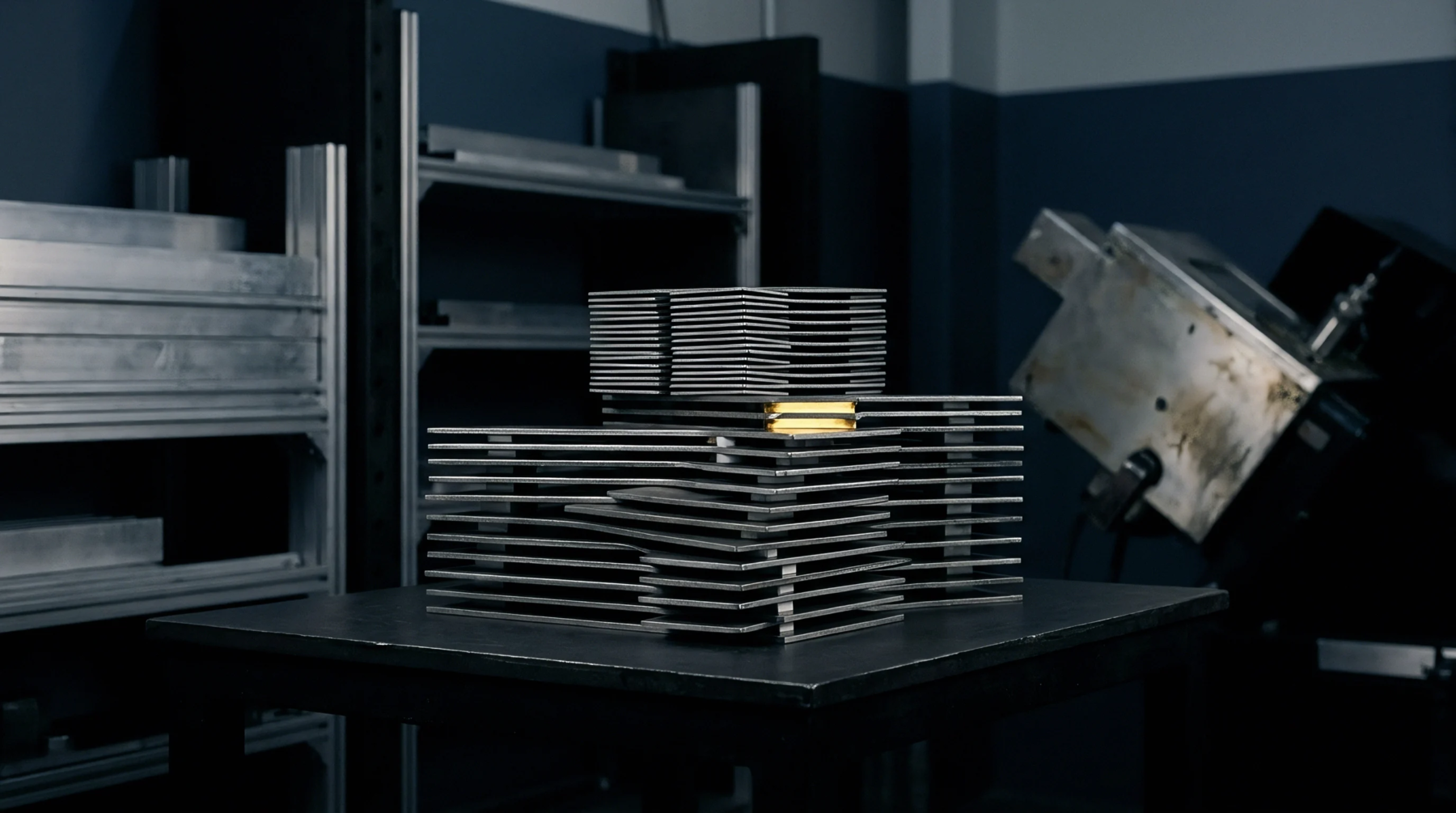
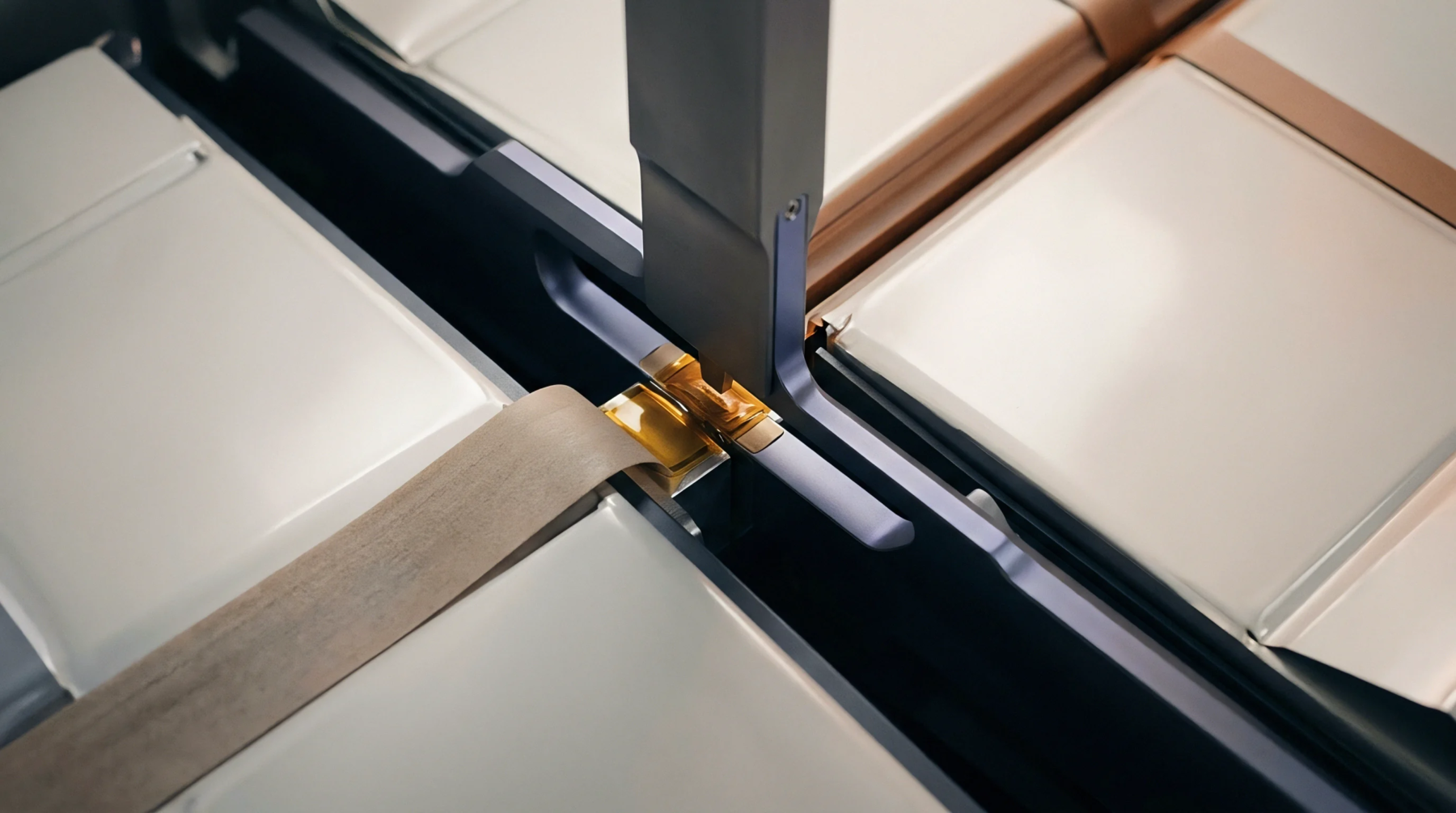
Liquid cooled heat transfer equipment functions as a high density metal interface for removing heat from solid state electronics or battery modules. A thermal cold plate contains internal channels that circulate fluid to absorb waste heat from mounted components. These devices maintain operating temperatures within safe limits for high power density systems.
Heat dissipation efficiency depends on the internal flow path geometry and the thermal conductivity of the base metal.
Cooling Efficiency
Internal channel routing defines the pressure drop and heat transfer rate of the unit. Designers select copper or aluminum to manage thermal resistance between the heat source and the liquid coolant. Turbulent flow profiles within the channels improve heat extraction during high load operation.
Optimal surface contact between the plate and the heat source prevents localized hot spots that threaten system longevity.
Operating Pressure
System integration requires proof testing to determine the maximum allowable working pressure for the internal fluid loop. Leak detection protocols verify the integrity of brazed joints and mechanical fittings under specific stress conditions. Expansion tanks manage liquid volume changes caused by temperature fluctuations in the cooling circuit.
Manufacturers document burst pressures to establish safety margins for various operational environments.
Flow Resistance
Friction against the internal channel walls reduces the rate of coolant circulation during normal operation. Fluid viscosity influences the pumping power needed to sustain an effective temperature gradient across the assembly. Precise channel dimensions provide a consistent hydraulic performance that supports the thermal requirements of the connected electronic load.
Higher coolant velocity creates a sharper temperature drop across the plate surface.