Meaning
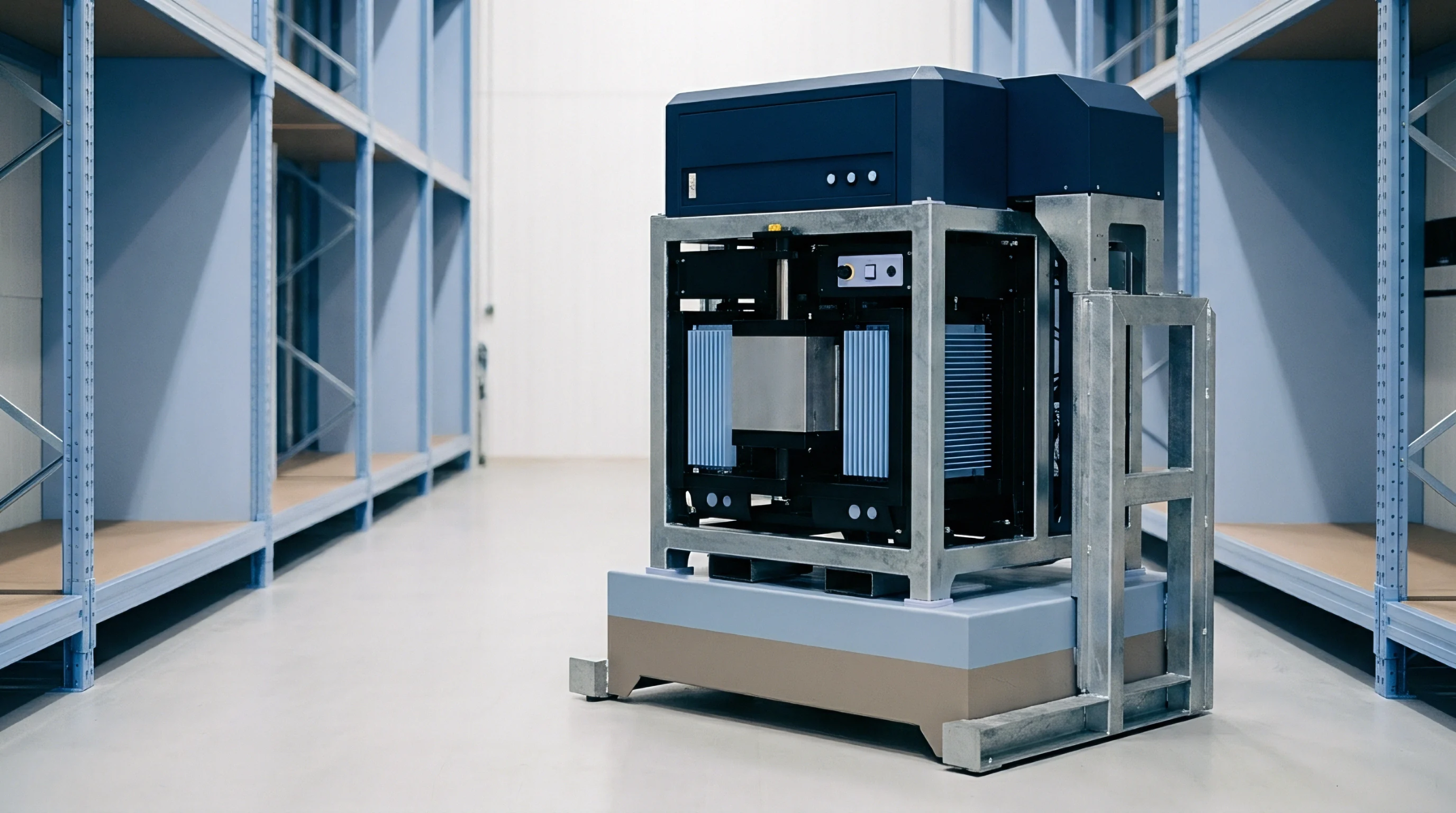
Dimensional changes in a mechanical test fixture caused by temperature fluctuations during cell cycle testing introduce large errors in recorded displacement data. This metrological error, designated as thermal expansion fixture drift, occurs when temperature changes in the environmental chamber cause the metal plates or columns of the test press to expand or contract. It directly affects the assessment of cell swelling and breathing behavior during thermal and mechanical characterization.
The phenomenon is relevant for all high-precision displacement tests where temperature is not held constant.
Error Sources
Temperature changes within the environmental chamber cause the mechanical components of the fixture to expand or contract. During testing, this thermal expansion fixture drift is superimposed on the physical displacement of the cell, leading to incorrect calculations of cell swelling. Sourcing departments must ensure that the test laboratories use fixtures made of materials with low thermal expansion coefficients to minimize this drift.
This precaution is essential for generating reliable displacement data.
Compensation Technique
Baseline calibration tests with a non-expanding reference block are used to map and subtract the fixture’s thermal behavior. By applying a compensation curve to the raw test data, the effects of thermal expansion fixture drift can be neutralized. Sourcing engineers require test reports to show that this compensation has been applied to guarantee the accuracy of the cell displacement curves.
This correction protocol is necessary to obtain precise measurements during dynamic temperature cycling.
Sourcing Standard
Sourcing specifications frequently mandate the use of drift compensated fixtures to ensure the comparability of cell data. Procurement teams use these standardized test reports to compare the mechanical behavior of cells from different suppliers. Eliminating the measurement error caused by thermal expansion fixture drift allows for fair and accurate supplier evaluations.
This standard ensures that the selected cells meet the strict dimensional tolerances required for high-density battery module designs, reducing the likelihood of mechanical interference or failure during vehicle assembly and operation.