Meaning
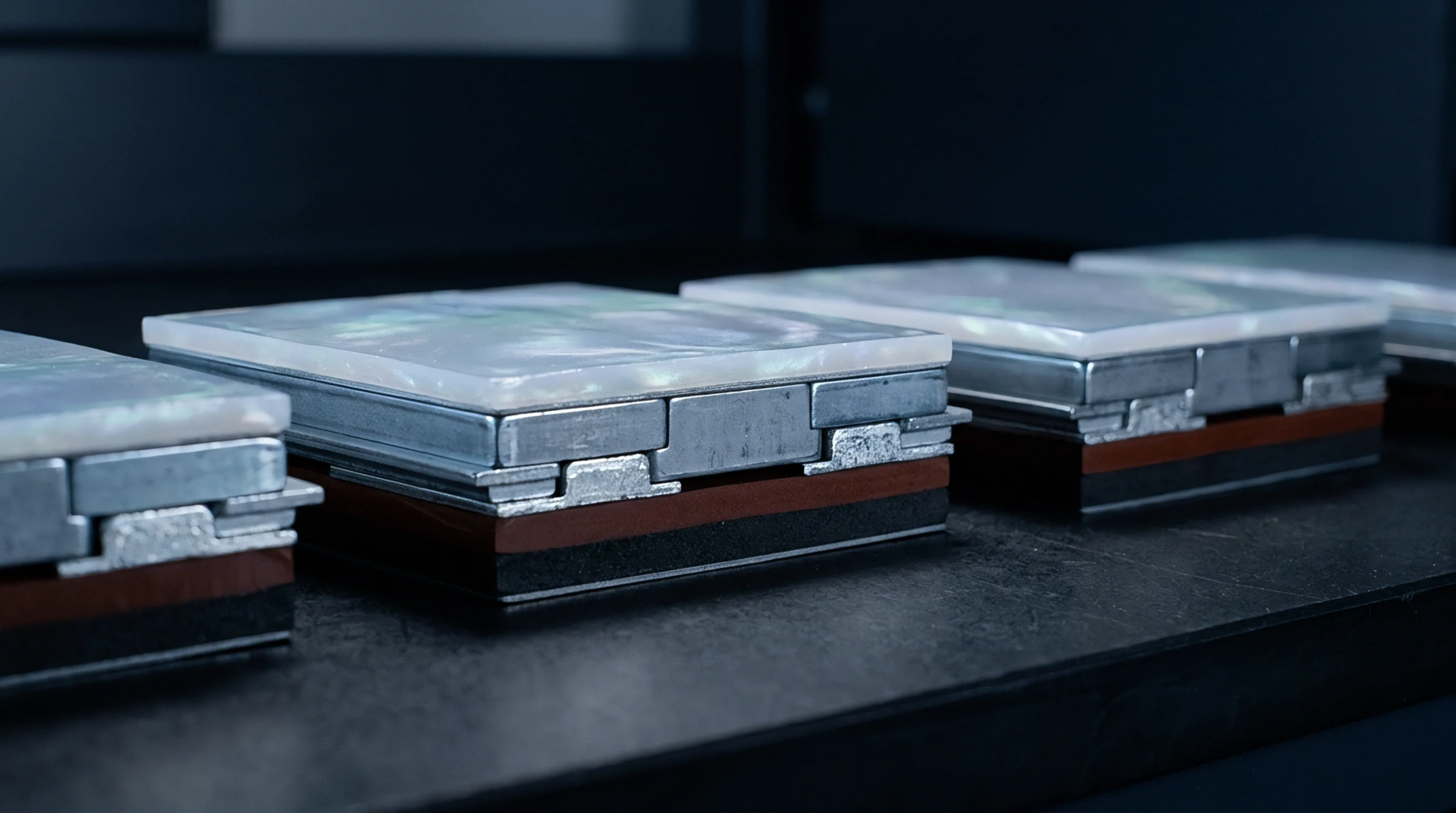
Dimensional variation analysis combines individual component tolerances to predict the overall boundary limits of an assembled battery module. This analysis helps to ensure that the accumulated variations of the cells, spacers, and housing components do not exceed the design limits of the assembly. By performing this calculation, engineers can prevent assembly interference and ensure that the correct preload is applied to the cells.
The analysis can use either a worst-case scenario or statistical methods such as Root Sum Squares.
Analytical Method
Worst-case analysis assumes that all components are manufactured at their extreme tolerance limits in the direction that produces the maximum or minimum overall dimension. While this method guarantees that every assembly will fit, it often results in overly conservative tolerances that increase manufacturing costs. Statistical analysis, on the other hand, assumes that the component dimensions follow a normal distribution and calculates the probability of an assembly failing to meet the dimensional requirements.
This approach allows for wider component tolerances while maintaining a high yield rate.
Design Modification
Results of the stack up analysis are used to determine where adjustments can be made to improve the assembly yield without increasing costs. If the analysis shows a high probability of interference, engineers can change the nominal dimensions of the components, reduce specific tolerances, or introduce adjustable elements such as shims. This adjustment is critical for automated assembly lines where variation in component size can cause the pick-and-place robots to fault or damage the parts.
Procurement Impact
Tolerance stack up analysis directly influences the component specifications and supplier requirements. Sourcing managers use this analysis to balance the cost of high-precision components against the yield rate of the assembly line.