Meaning
Atmospheric pressure reduction verification operates as a mandatory safety assessment protocol for lithium battery transport compliance under international dangerous goods regulations. UN 38.3 altitude simulation evaluates secondary cells and multi-cell assemblies by subjecting hardware to extreme negative pressure conditions that mimic cargo hold environments during commercial aircraft flights. Laboratory chambers reduce internal pressure to eleven point six kilopascals or lower while maintaining ambient temperature for a duration of six hours.
Manufacturers apply this procedure to production prototypes before cells move into distribution channels, stopping short of evaluating chemical composition changes that occur during deep discharge cycles.
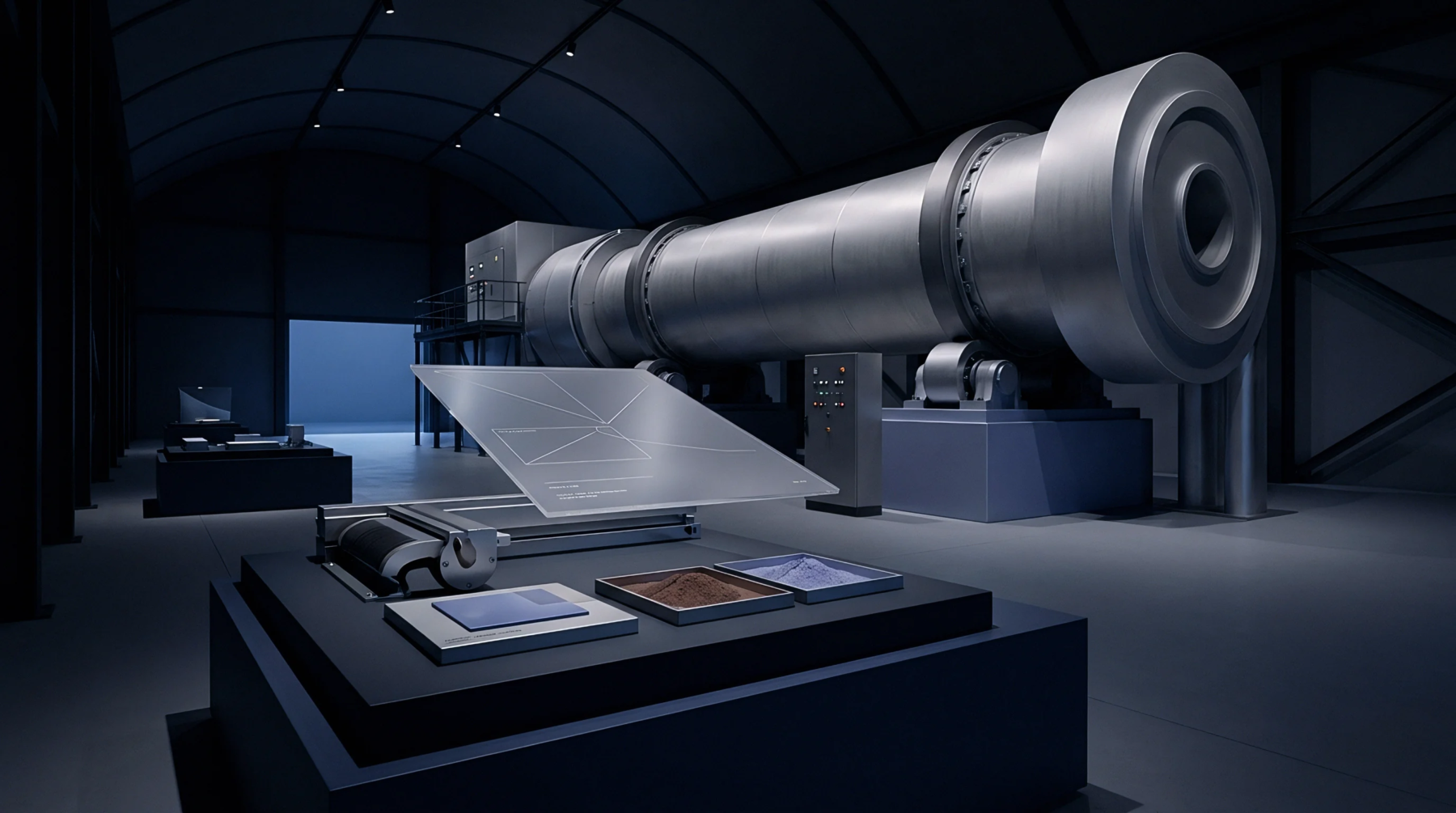
Test Chamber
Equipment execution requires sealed vacuum vessels capable of sustained low pressure without leakage during lengthy testing runs. Technicians mount test specimens inside the chamber racks while wiring thermocouple sensors to monitor surface temperatures throughout the evacuation sequence. Pumping systems draw down the atmosphere until the target pressure stabilizes within specified tolerances for the entire operational window.
Pressure transducers log chamber conditions continuously to prove that vacuum levels never drifted upward during the holding period.
Structural Integrity
Mechanical survivability dictates whether lithium hardware passes the verification without exhibiting signs of leakage, venting, disassembly, rupture or fire. Internal electrode layers experience outward mechanical stress when surrounding gases expand against packaging walls during the initial pressure drop. Weld joints and prismatic pouch seals must hold their structural boundaries against this internal pressure differential without losing electrolyte fluid.
Defective packaging designs fail at this mechanical boundary long before thermal runaway mechanisms initiate inside the active materials.
Commercial Gate
Logistics operators refuse cargo booking requests unless shippers present valid test summaries proving successful completion of the vacuum exposure sequence. Procurement officers verify compliance documentation before signing supply contracts for large format energy storage modules destined for global freight forwarding. Regulatory enforcement authorities inspect test reports at port facilities when verifying documentation for hazardous material shipments moving across international borders.
Market access depends entirely upon holding auditable proof that battery hardware survived the simulated flight environment without sustaining physical damage.