Meaning
Atmospheric pressure reduction mimics high altitude flight conditions to detect gas leaks or electrolyte loss in lithium metal and lithium ion cells. The un 38.3 test t.1 simulates the effects of low pressure environments encountered during air transport. Any failure during this phase results in the cell being deemed unsuitable for standard commercial aviation cargo.
Pressure Protocol
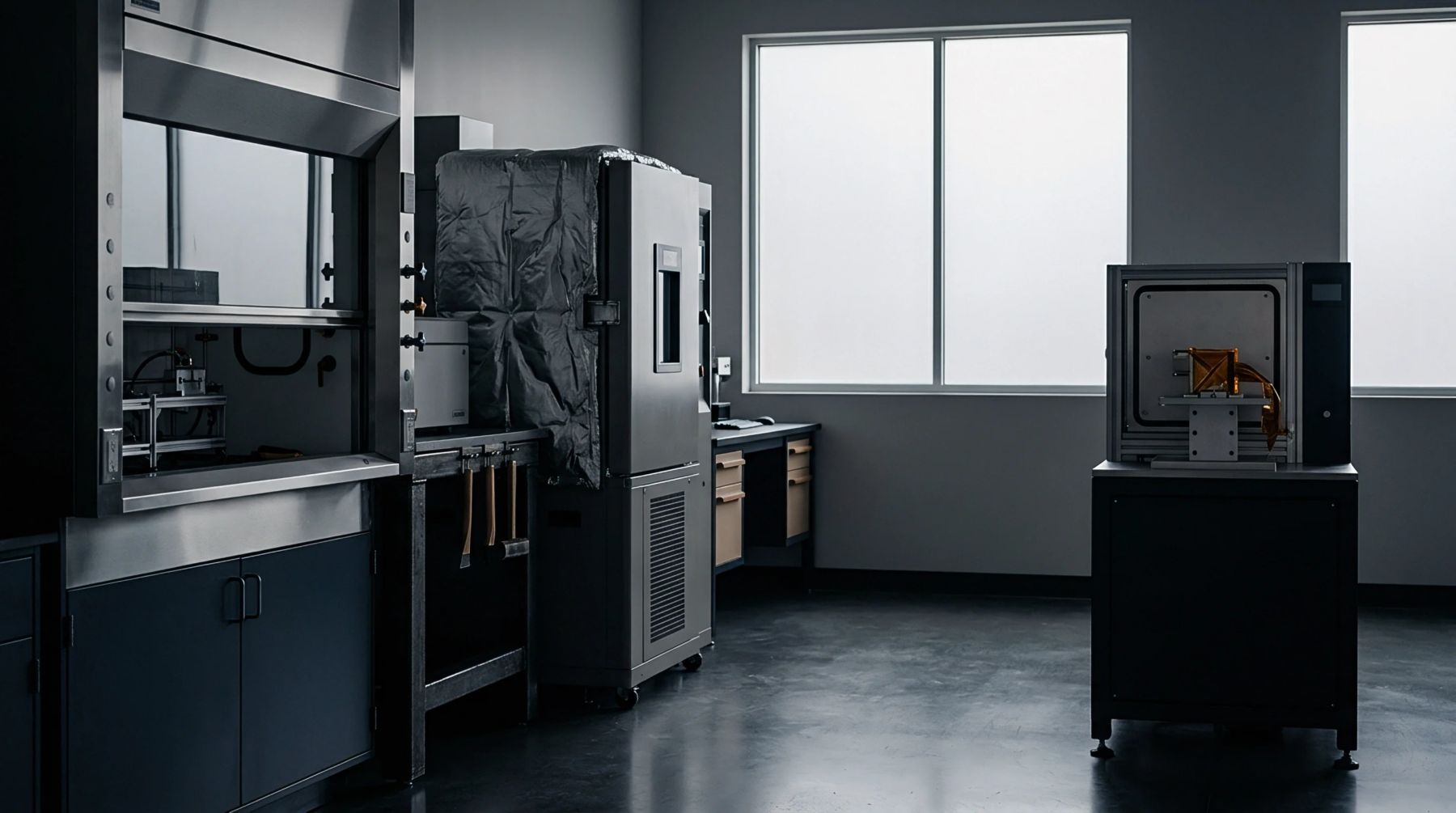
Testing involves placing cells in a vacuum chamber at a pressure of 11.6 kilopascals or less for a duration of six hours at an ambient temperature of 20 degrees Celsius. Personnel ensure the equipment maintains this specific pressure throughout the entire period to guarantee that any seal degradation becomes visible. A battery passes the evaluation if mass loss stays under 0.1 percent and no leakage or rupture appears during the observation window.
Verification Criteria
Compliance requires that the housing remains intact after the vacuum cycle concludes. Technicians check the voltage level to confirm that the open circuit voltage does not fall below 90 percent of the value held before the procedure. Short circuits or fire ignition patterns indicate a structural deficiency within the venting system or the casing seals.
Logistical Impact
Regulations demand that manufacturers complete these rigorous assessments before shipment to prevent spontaneous venting incidents in unpressurized aircraft cabins. Air carriers reject components lacking proof of successful testing because a single ruptured unit endangers the safety of the entire flight crew. Documentation of this specific outcome serves as a mandatory prerequisite for moving lithium energy storage devices across global transport networks.