Meaning
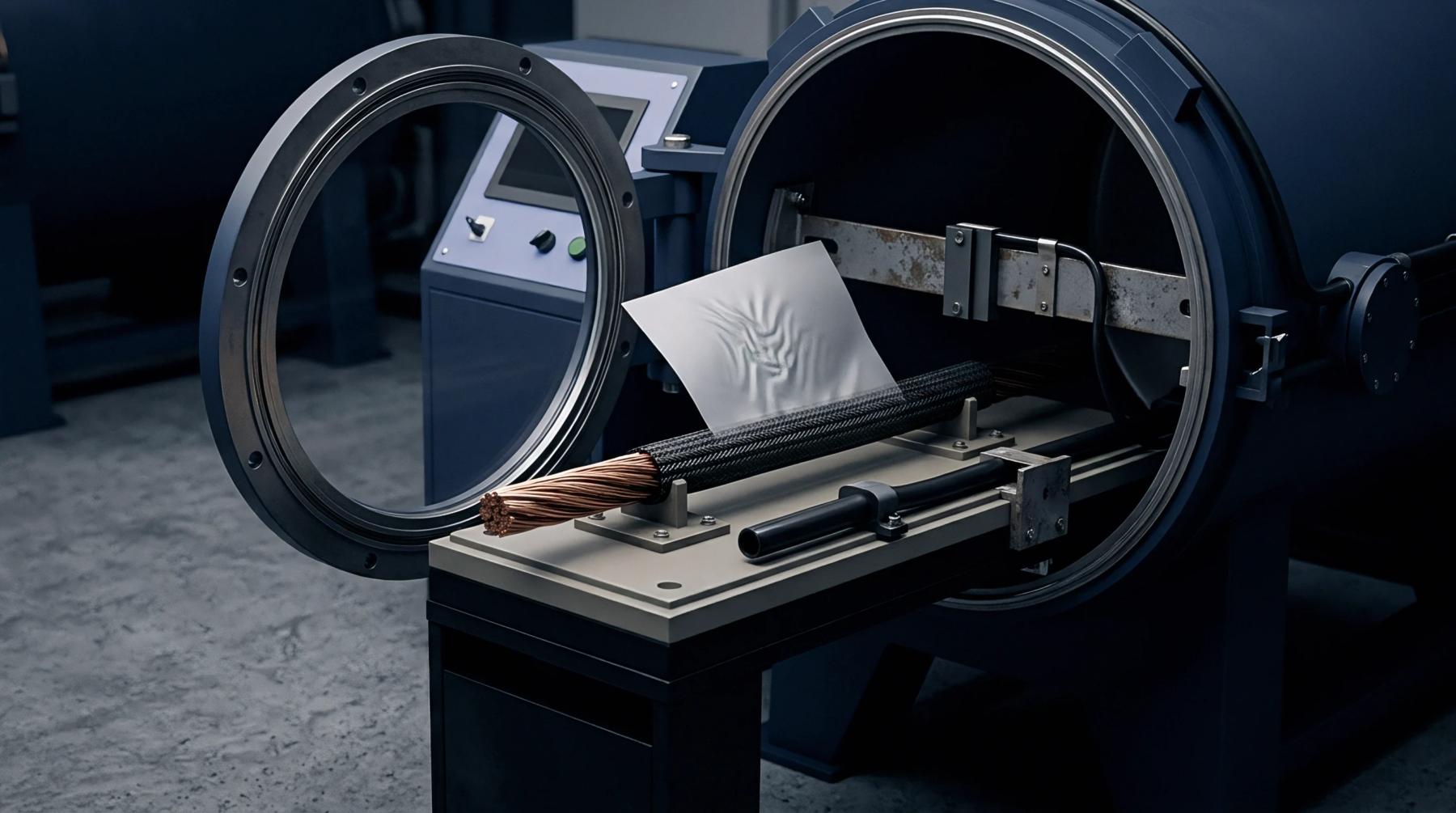
Metal joining technology relies on thermal processing inside a depressurized vessel to execute capillary wetting across closely fitted joint interfaces without atmospheric oxidation. Vacuum brazing achieves joint formation by heating assemblies within a sealed chamber evacuated to high levels of negative pressure, typically reaching pressures below ten to the minus four torr. This environment removes residual oxygen and moisture that would otherwise form barrier oxides on base metals during heating.
Capillary action draws liquid filler metal into joint clearances as narrow as twenty five micrometers once the specific liquidus temperature of the alloy is reached. Manufacturers apply vacuum brazing for complex cooling plates, high pressure fluid manifolds and battery thermal management heat exchangers where joint failure risks catastrophic coolant ingress into live electrical cells. Residual flux is entirely absent because the reducing atmosphere cleans joint surfaces through thermal desorption and vaporization of surface contaminants.
The boundary of the process lies in alloy vapor pressure limits, where volatile elements such as zinc or cadmium will boil off inside high vacuum chambers before reaching their required melting points.
Chamber Control
Thermal gradients across large payloads demand precise radiative heat transfer management within the graphite or molybdenum insulated heating zone. Multizone heating elements balance internal temperatures to prevent thermal shock in dissimilar metal assemblies, particularly when joining copper to stainless steel. Furnace operators monitor residual gas mass spectrometry during pumpdown cycles to detect outgassing anomalies from dirty components before the main heating ramp begins.
Evacuation rates must avoid turbulent gas movement that can dislodge unbonded joint preforms prior to liquid phase wetting. Cooling phases utilize high purity inert gases introduced under positive pressure to accelerate load throughput while maintaining surface cleanliness standards established during the high heat soak.
Joint Metallurgy
Intermetallic phase growth at the filler and base metal interface determines long term thermal fatigue resistance under aggressive mechanical vibration profiles. Diffusion layers form when holding times above the liquidus temperature allow solute atoms to migrate into parent grains, raising the remelt temperature of the completed joint significantly above the initial brazing point. Filler selection depends strictly on operating temperatures and corrosion exposure, with nickel based alloys serving high temperature environments and copper based compositions suiting standard copper heat exchangers.
Joint integrity depends on capillary pressure overcoming gravity and surface tension simultaneously within complex internal channels. Voids and microshrinkage porosity degrade thermal conductivity across the interface, making post process helium leak testing mandatory for components deployed in electric vehicle thermal loops.
Thermal Economics
Capital expenditure for high vacuum furnaces requires continuous high volume throughput to amortize equipment depreciation and high electrical power demands successfully. Cycle times span several hours due to the slow cooling rates required to minimize residual thermal stresses in complex geometries with heavy wall sections. Maintenance costs accumulate from pump rebuilding, hot zone refurbishment and regular leak checking of elastomer seals and chamber walls.
Production facilities balance these high operational expenses against the elimination of post brazing acid cleaning steps and the near zero scrap rates achieved on mature component designs. Parts processing avoids secondary machining operations entirely because clean thermal profiles eliminate distortion associated with torch or induction methods.